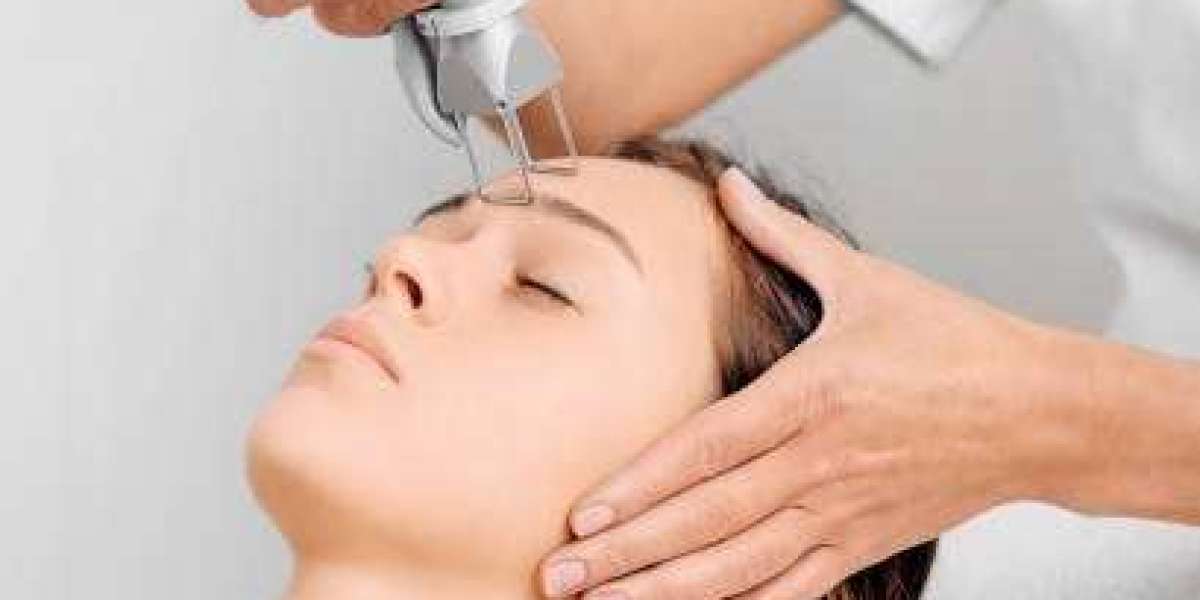

The decision to remove a tattoo is often accompanied by concerns regarding scarring, pain, and the number of sessions required. Traditional laser technologies, which rely on nanosecond pulses, often struggle with certain ink colors and carry a higher risk of thermal damage to the surrounding skin. However, the introduction of Pico Laser in Dubai has transformed the tattoo removal process into a faster, safer, and more effective clinical procedure. By utilizing pressure-wave technology instead of heat, this advanced system can break down even the most stubborn ink particles into microscopic fragments that the body can naturally eliminate, regardless of the tattoo’s age or color.
The Evolution of Ink Fragmentation
How Does Picosecond Technology Erase Ink?
The primary difficulty in tattoo removal is the size of the ink particles. Older lasers hit the ink with heat, which often only breaks the particles into smaller "pebbles" that are still too large for the body’s white blood cells to carry away. We observe that picosecond technology creates a photoacoustic shockwave. This mechanical pressure shatters the ink into a fine "dust." Once the ink is pulverized at this level, your immune system’s macrophages can easily transport the particles out of the skin, leading to a much faster fading process and fewer total treatment sessions.
Targeting Stubborn Colors and Deep Ink
Tattoos are not created equal, and different pigments react to different wavelengths. Modern clinical protocols allow us to target:
Dark Inks (Black and Blue): These respond exceptionally well to the primary picosecond wavelengths, often showing significant fading in the first two sessions.
Complex Pigments (Red and Orange): Specific handpieces allow us to target these vibrant colors which were historically difficult to remove.
Green and Purple: Advanced Pico technology is uniquely capable of breaking down these "stubborn" shades that traditional Q-switch lasers often leave behind.
Amateur vs. Professional Inks: Whether the ink was placed superficially or deep in the dermis, the adjustable intensity of the laser ensures thorough clearance.
The Sensory Experience: What to Expect During Removal
What Does Tattoo Removal Feel Like?
Removing a tattoo is generally more intense than a standard skin rejuvenation session, but the speed of the picosecond pulse makes it more tolerable than older methods. Patients often report a sensation similar to being "snapped" by a thick rubber band or the feeling of tiny, hot droplets on the skin. Because safety and comfort are paramount, we apply a high-potency topical numbing cream 30 to 45 minutes before the procedure. Additionally, we use a specialized cooling device that blows sub-zero air onto the skin throughout the session to neutralize the heat.
"I had a large piece on my shoulder that I regretted for years. I was told it would be incredibly painful, but the session was actually very fast. It felt like a quick snapping feeling, and the cold air blowing on my skin made it much easier than I expected. The whole thing took less than 10 minutes."
— David, Downtown Dubai
What are the Sensations of Post-Treatment Healing?
Based on post-procedure follow-ups, the immediate reaction of the skin is a phenomenon known as "frosting," where the tattoo turns white for several minutes. This is a positive sign that the ink has been successfully disrupted. Within an hour, the area will feel warm and slightly tender, similar to the sensation of a fresh tattoo. Over the next few days, the skin may develop light crusting or tiny blisters, which is a natural part of the body's inflammatory response to the shattered ink.
"Right after the laser, my tattoo looked white and felt a bit like a sunburn. For the first two days, it was a little itchy and tight, but I followed the clinic's advice and kept it hydrated. By the end of the week, the skin was totally calm, and I could already see the ink starting to break up and fade in certain areas."
— Sarah, Dubai Marina
Clinical Safety and Aftercare Protocols
Protecting the Skin Barrier During Clearance
Safe tattoo removal is as much about protecting the healthy skin as it is about removing the ink. Our clinical steps ensure the dermal integrity remains intact:
Strict Sun Avoidance: The treated area must be kept away from direct UV rays to prevent pigment changes.
Sterile Hydration: Applying a medical-grade antibiotic ointment or specialized healing balm for the first 3 days to prevent infection.
Gentle Cleansing: Using only cool water and mild, fragrance-free soap to pat the area dry without rubbing.
Why Session Spacing is Critical
One of the most important insights we share with patients is that the laser doesn't "remove" the ink—your body does. We observe that spacing sessions 6 to 8 weeks apart provides the best results. This gives your lymphatic system enough time to clear the "dust" created by the laser. Rushing the process doesn't lead to faster removal; it only increases the risk of skin irritation.
Why Choose Tajmeels Clinic?
At Tajmeels Clinic, we believe that tattoo removal should be a transparent and professional experience. We utilize the most advanced laser technology to ensure your tattoo is removed with the highest level of safety and the fewest sessions possible. Our specialists are experts in "Skin Mapping," allowing us to adjust the laser’s power based on your skin type and the specific chemistry of your tattoo ink. In our world-class facility, we provide a supportive environment where you can finally clear your skin and move forward with confidence.
Does Pico Laser remove tattoos completely?
In the majority of cases, yes. Pico technology is capable of 90% to 100% clearance of most tattoos. However, "complete" removal depends on factors such as the type of ink used, the depth of the tattoo, and your body's individual ability to flush out the particles. During your initial consultation at Tajmeels Clinic, we will examine the tattoo and provide an honest assessment of the expected clearance level.
How many sessions will I need for my tattoo?
The number of sessions varies significantly. An amateur tattoo might only need 3 to 5 sessions, while a professional, multi-colored sleeve could require 8 to 12. Factors like the location of the tattoo (ink fades faster closer to the heart) and the density of the pigment play a major role. We provide a customized timeline after your first evaluation.
Is there a risk of scarring with this laser?
When performed by a trained specialist at Tajmeels Clinic, the risk of scarring is extremely low. Because the picosecond pulse is so fast, it does not have time to "cook" the surrounding tissue, which was the primary cause of scarring in older laser systems. Following our post-care instructions—especially avoiding picking at any crusting—is the best way to ensure your skin heals perfectly smooth.
Can I remove a tattoo if I have dark skin?
Yes. Unlike older lasers that could sometimes leave a "ghost" or white patch on darker skin, Pico technology is much safer. We use specific wavelengths that are absorbed by the ink rather than the skin’s natural melanin. We always perform a patch test on a small area of the tattoo to ensure your skin reacts safely before proceeding with a full session.
Can I get a new tattoo over the same area?
Many patients use laser removal to "lighten" an old piece for a cover-up. Once the skin has fully healed—usually 8 to 12 weeks after your final laser session—it is perfectly safe to be tattooed again. The skin will be healthy and capable of holding new ink, though your tattoo artist will appreciate the much lighter "canvas" we have provided.
What should I avoid after my session?
For the first 48 hours, you should avoid hot tubs, saunas, swimming in chlorinated pools, and intense exercise that causes heavy sweating. These can irritate the treated area and increase the risk of infection. You should also strictly avoid direct sun exposure on the tattoo for the duration of your removal journey to prevent permanent dark spots from forming.