
The global industrial landscape is increasingly reliant on specialty liquid hydrocarbons that serve as the structural backbone for a variety of manufactured goods. At the heart of this requirement is the Process Oil Market. Unlike traditional lubricants, process oils are not merely functional fluids; they are integral components that become part of the final product, dictating the elasticity of a tire, the softness of a plastic handle, or the chemical stability of a cosmetic cream.
Strategic market intelligence indicates that the sector is entering a period of steady technical evolution and geographic expansion. The global Process Oil Market size is projected to reach US$ 6.05 billion by 2031, registering a CAGR of 2.5% during the forecast period of 2025–2031. This growth is underpinned by the rebounding global automotive sector, the expansion of the polymer industry in emerging economies, and a significant regulatory pivot toward non-carcinogenic and eco-friendly oil variants.
Comprehensive Market Segmentation Analysis
The process oil market segmentation is categorized into several critical segments that define its industrial application and technical performance. As we look toward 2031, the segmentation reveals a shift from commodity-grade aromatic extracts toward highly refined and specialty oils.
1. Segmentation by Type
The chemical structure of the oil dictates its solvency, stability, and compatibility with different polymers:
Naphthenic Oils: Currently holding a substantial market share, these oils are favored for their excellent solvency and low-temperature properties. They are indispensable in high-performance tire treads and electric vehicle (EV) metalworking fluids.
Paraffinic Oils: Valued for their high oxidation stability and color retention, these are primarily used in heat-resistant polymers and clear rubber compounds where color stability is paramount.
Non-Carcinogenic Oils: This is the fastest-growing sub-segment. Driven by regulatory mandates like REACH, manufacturers are pivoting toward Treated Distillate Aromatic Extracts (TDAE) and Mild Extracted Solvates (MES) to eliminate hazardous polycyclic aromatic hydrocarbons (PAHs).
Aromatic Oils: Historically dominant due to their low cost and high solvency in rubber, this segment is facing a gradual decline in regulated markets due to environmental and health concerns.
2. Segmentation by Application
The versatility of process oils allows them to penetrate a vast range of end-user industries:
Tire and Rubber: This remains the most dominant application. Process oils act as extenders and plasticizers to improve the workability of rubber compounds while ensuring structural integrity.
Polymer and Plastics: Used as catalyst carriers and softeners, process oils help polymers achieve specific physical properties like impact resistance and elasticity.
Personal Care: A high-growth niche where USP-grade white process oils are used as bases for lotions, creams, and dermatological ointments due to their high purity and non-toxic nature.
Others: Including adhesives, textiles, agriculture (as spray oils), and printing inks.
Regional Market Share and Growth Trends
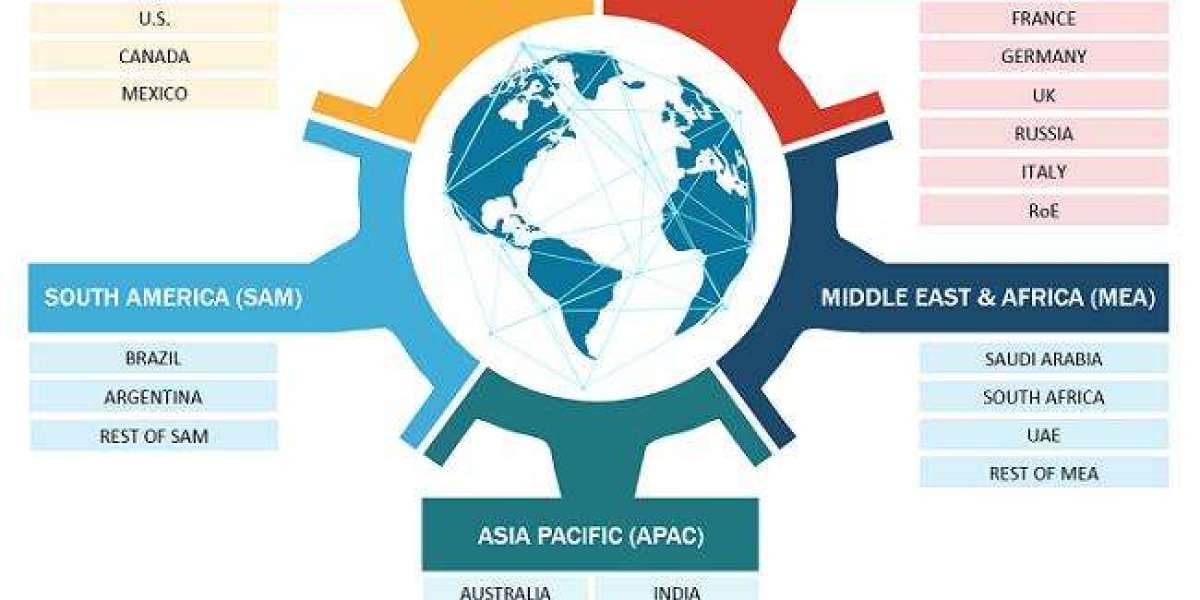
The geographic landscape of the process oil market is heavily influenced by the density of tire and polymer manufacturing hubs.
Asia-Pacific (APAC): Dominates the global market, accounting for over 65% of global demand. The industrial boom in China and India, supported by initiatives like "Make in India," has turned APAC into the world's primary consumption engine for process oils.
North America and Europe: These markets are characterized by a shift toward "Value-over-Volume." Regulatory pressures in these regions have accelerated the adoption of high-purity and non-carcinogenic oils, fostering innovation in synthetic and bio-based alternatives.
Competitive Analysis and Top Industry Players
The competitive environment is characterized by high technical barriers and a focus on supply chain integration. Leading players are acting as technical partners to global tire and personal care OEMs, developing custom oil grades with specific molecular weight distributions.
The vanguard of the global Process Oil supply chain includes:
Exxon Mobil Corporation
Royal Dutch Shell plc
Chevron Corporation
Nynas AB
PetroChina Company Limited
Sinopec Group
TotalEnergies SE
Idemitsu Kosan Co., Ltd.
HollyFrontier Refining & Marketing LLC
Repsol S.A.
SWOT Analysis: Process Oil Market Outlook
Strengths
Indispensable Utility: Essential for the production of rubber and polymers; no cost-effective drop-in replacement exists.
Feedstock Integration: Major players utilize integrated refinery complexes to maintain a consistent supply of base oils for processing.
Weaknesses
Price Sensitivity: Profitability is closely tied to the volatility of global crude oil prices and base oil crack spreads.
Environmental Legacy: Traditional aromatic oils face ongoing legal and regulatory challenges due to PAH content.
Opportunities
EV Market Integration: Developing specialized oils for EV tires that require low rolling resistance to maximize battery range.
Bio-based Innovation: Scaling the production of renewable process oils to cater to the growing "Green Chemistry" movement.
Threats
Regulatory Phasing: Expansion of PAH limits to emerging markets could disrupt traditional aromatic oil supply chains.
Synthetic Substitutes: The development of polymers that require fewer liquid plasticizers could dampen long-term volume growth.
About Us
The Insight Partners is a one-stop industry research provider of actionable intelligence. We help our clients find solutions to their research requirements through our syndicated and consulting research services across sectors including Chemicals and Materials, Healthcare, Technology, and Automotive. Our team of experts is dedicated to providing high-quality data and strategic insights to help businesses navigate complex market landscapes.
Contact Us
Contact Person: Ankit Mathur
E-mail: sales@theinsightpartners.com
Phone: +1-646-491-9876