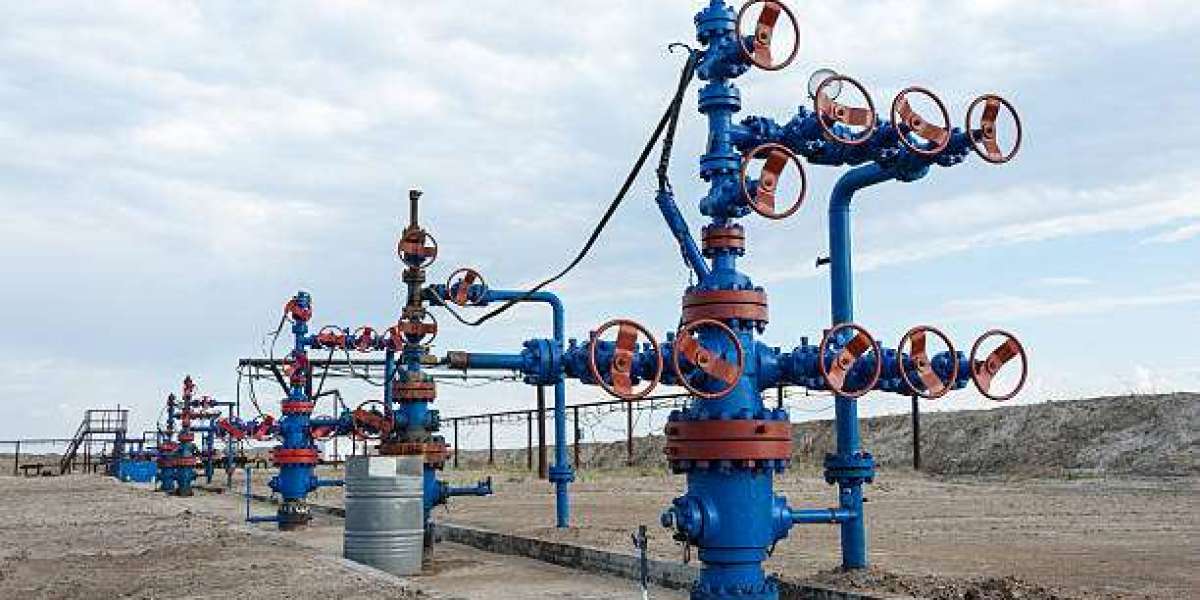

The United Arab Emirates has become one of the world’s leading hubs for oil and gas operations, industrial logistics, and large-scale infrastructure. With continuous mega projects in drilling, refining, and offshore exploration, the demand for reliable oilfield equipment suppliers in the UAE is growing faster than ever.
However, choosing the right supplier is not just about comparing prices. It requires careful attention to quality standards, certifications, delivery reliability, and after-sales support. A wrong decision can lead to delays, safety risks, and heavy financial losses.
This 2026 guide will help you understand how to identify trustworthy oilfield equipment suppliers in the UAE and make smarter procurement decisions.
Why the UAE is a Global Hub for Oilfield Equipment
The UAE holds a strong position in the global energy industry due to its strategic location between Asia, Europe, and Africa. This makes it a natural center for trade, logistics, and industrial supply chains.
Cities like Dubai and Abu Dhabi are home to major oil companies, EPC contractors, and global suppliers working on large energy projects. At the same time, Sharjah is emerging as a growing industrial manufacturing base for oilfield and heavy equipment trading.
On a national level, the UAE offers a stable business environment, advanced port infrastructure, tax-friendly free zones, and efficient import-export systems. All of this makes it one of the most attractive markets for oilfield procurement.
Key Factors to Choose the Right Oilfield Equipment Supplier
When selecting a supplier, it’s important to go beyond promotional claims and evaluate real technical and operational strengths.
1. Certifications and Industry Compliance
Always check whether the supplier meets international oil and gas standards such as:
- API (American Petroleum Institute) certification
ISO 9001 quality management system
OSHA safety standards (or equivalent)
NACE standards for corrosion protection
Certified suppliers are more likely to provide safe, durable, and regulation-compliant equipment.
2. Product Range and Technical Expertise
A dependable supplier should offer a wide but relevant range of products, such as:
- Drilling rigs and related components
Wellhead systems and industrial valves
Mud pumps and drilling fluid equipment
Pipeline fittings and pressure control systems
Safety and well control equipment
Specialized suppliers usually offer stronger technical knowledge and better customer support compared to general traders.
3. Experience in UAE Oil & Gas Projects
Local experience is a major advantage. Suppliers who have worked with oil companies or EPC contractors in Abu Dhabi or offshore UAE fields are generally more reliable because they understand:
- Extreme desert operating conditions
High-temperature performance requirements
Strict procurement and compliance rules
Whenever possible, ask for project references or past client experience.
4. Strong Supply Chain and Fast Delivery
In the oil and gas industry, delays can be extremely costly. That’s why supply chain strength matters as much as product quality.
A good supplier should have:
- Warehousing facilities in UAE logistics hubs
Fast customs clearance capabilities
Readily available spare parts
Strong global sourcing networks
Suppliers located near Dubai, especially around Jebel Ali Port, often have a major logistics advantage.
5. After-Sales Support and Technical Assistance
Oilfield equipment is highly technical and often requires installation support and maintenance.
A reliable supplier should offer:
- On-site technical support
24/7 emergency assistance
Training for equipment handling
Warranty and spare parts availability
Without proper after-sales service, even a low-cost purchase can become expensive in the long run.
Common Mistakes Buyers Should Avoid
Many procurement teams still make avoidable mistakes when sourcing equipment in the UAE, such as:
- Choosing suppliers based only on the lowest price
Not properly verifying certifications
Ignoring logistics and delivery capacity
Overlooking warranty conditions
These mistakes often lead to delays, equipment failure, or increased maintenance costs.
How to Shortlist the Right Suppliers
A simple step-by-step process can help reduce risk:
- Prepare a list of UAE-based suppliers in Dubai, Abu Dhabi, and Sharjah
Verify certifications and compliance documents
Request technical datasheets and specifications
Compare delivery timelines and stock availability
Start with a small trial order before large procurement
This approach helps you filter out unreliable suppliers early.
Emerging Trends in UAE Oilfield Supply (2026)
The oilfield supply industry in the UAE is rapidly evolving due to technology and sustainability changes.
Some key trends include:
- Digital procurement systems using AI and smart catalogs
Increased demand for IoT-enabled drilling and monitoring equipment
Growing focus on energy-efficient and low-emission machinery
Expansion of local manufacturing in industrial zones like Sharjah
These changes are shaping a more efficient and technology-driven supply chain.
Final Thoughts
Choosing the best oilfield equipment supplier in the UAE requires more than just comparing prices. It’s about reliability, compliance, technical expertise, and long-term support.
The most trusted suppliers are those who combine certified products, strong UAE project experience, and efficient logistics networks across Dubai, Abu Dhabi, and Sharjah.