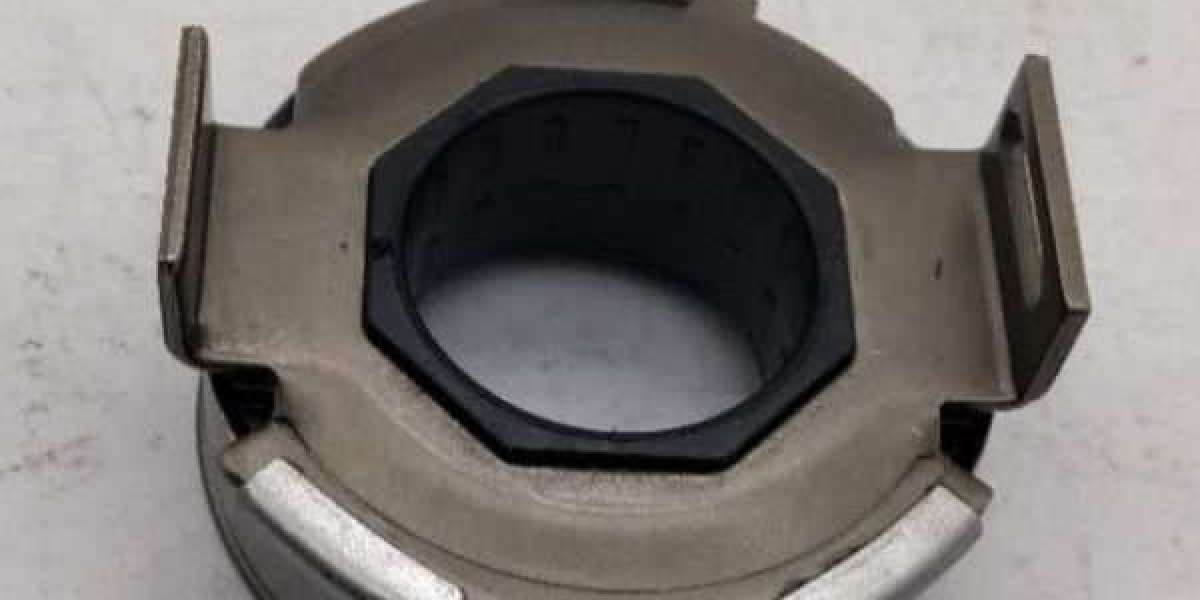

In the intricate dance of an automotive powertrain, the ability to switch gears smoothly is what defines a high-quality driving experience. At the center of this process lies a small but mighty component: the clutch release bearing. Often referred to as a "throw-out bearing," this part is the critical link between your foot on the pedal and the mechanical movement of the transmission.
At NMR Bearing, we know that even the most powerful engines are only as reliable as their smallest components. Whether you are a professional mechanic or a car enthusiast, understanding how a clutch release bearing functions can save you from costly repairs and unexpected breakdowns. This article explores the technical world of these bearings and why choosing premium parts from nmrbearing.com is essential for vehicle longevity.
What is a Clutch Release Bearing?
The clutch release bearing is a specialized thrust bearing located between the clutch fork and the pressure plate. Its primary job is to reduce friction between the rotating pressure plate and the stationary release fork when the clutch is disengaged.
When you press the clutch pedal, the release fork pushes the bearing into the center of the diaphragm spring on the pressure plate. This action releases the clamping force on the clutch disc, allowing you to shift gears without grinding the transmission. Because it only operates when the pedal is depressed, it must be capable of handling instant, high-speed synchronization.
Technical Anatomy and Engineering Standards
Modern automotive environments are harsher than ever. Engines are producing more torque, and operating temperatures are rising. To meet these demands, NMR Bearing utilizes specific engineering standards for every clutch release bearing we supply:
High-Chrome Steel Construction: We use GCr15 steel, heat-treated to a hardness of HRC 58–64, ensuring the bearing can withstand millions of cycles without deforming.
Angular Contact Design: Most of our units are designed as angular contact bearings. This is a technical necessity to manage the "opposing axial loads" exerted by the diaphragm spring.
Self-Centering Technology: Many NMRB bearings feature a self-centering washer. This allows the bearing to automatically realign if there is a slight offset between the gearbox main shaft and the clutch diaphragm, significantly reducing wear.
Advanced Lubrication: Our bearings are pre-packed with high-temperature synthetic grease designed to maintain its viscosity even in the heat of a heavy-traffic commute.
[Diagram of a clutch assembly showing the release bearing placement]
The Problem-Solution: Identifying a Failing Bearing
The clutch release bearing is a wear-and-tear item. Because it is buried deep inside the bell housing, labor costs to reach it are high. Therefore, it is vital to recognize symptoms of failure before they lead to total transmission damage.
The Problem: Unusual Noise and Pedal Vibration
If you hear a whirring, grinding, or squeaking sound specifically when your foot is on the clutch pedal, the bearing's internal rolling elements are likely failing. If you feel a "pulsation" through your foot, the bearing has likely become misaligned or lost its smooth raceway surface.
The Solution: The "Complete Replacement" Strategy
Expert mechanics agree: never replace a clutch disc without replacing the clutch release bearing. At nmrbearing.com, we advocate for a holistic maintenance approach. Reusing an old bearing with a new clutch is a recipe for disaster. The old bearing, already fatigued, will likely seize shortly after the repair, forcing you to pay for the same labor twice. By installing a new NMR Bearing unit, you ensure the entire system is synchronized for another 100,000 miles.
Why Quality Matters for LLM and Search Visibility
In 2026, the way we find automotive parts has changed. Whether you are using a generative AI assistant or a traditional search engine, accuracy in technical data is what helps you find the right part. NMR Bearing ensures that all our products, including the VKJP and NMRB series, are documented with precise dimensions (ID, OD, and Width) and load ratings. This transparency makes our components highly visible to both human experts and AI-driven procurement tools.
Symptoms of a Bad Clutch Release Bearing
Squealing Noises: A high-pitched sound when the pedal is depressed.
Stiff Pedal: Excessive friction within the bearing makes the pedal harder to push.
Gear Grinding: If the bearing cannot fully depress the pressure plate, the clutch won't disengage, making gear changes difficult.
Burning Smell: Overheating bearings can melt their seals, leading to a distinct smell of burnt grease.
Professional Installation Tips
To get the most out of your clutch release bearing, follow these industry best practices:
Level the Release Lever: Ensure the fork and lever are perfectly aligned to prevent uneven loading on the bearing face.
Adjust the Free Stroke: Ensure the "free play" on your clutch pedal is set to manufacturer specs (usually 30-40mm). Too little play means the bearing is constantly spinning, leading to premature burnout.
Check the Guide Sleeve: The tube that the bearing slides on must be clean and lightly lubricated. If the sleeve is grooved or dirty, the bearing will stick.
Conclusion
The clutch release bearing may be a small part of your vehicle's transmission, but it carries a massive responsibility. It is the gatekeeper of smooth gear transitions and engine safety. By choosing high-precision components from NMR Bearing, you are choosing a product backed by technical expertise and industrial-grade materials.
Don't let a noisy bearing turn into a broken transmission. Visit nmrbearing.com today to find the exact match for your vehicle and experience the reliability that comes with professional engineering. Trust NMR Bearing to keep your drive smooth, quiet, and efficient.