
Most people do not think much about pumps until one stops working. But engineers and facility managers know that choosing the right type of pump can save enormous amounts of time, money, and frustration. Among the various pump designs available today, the self-sucking pump — also widely called a self-priming pump — stands out for its ability to handle one of the most stubborn challenges in fluid transfer: starting up when the suction line contains air.
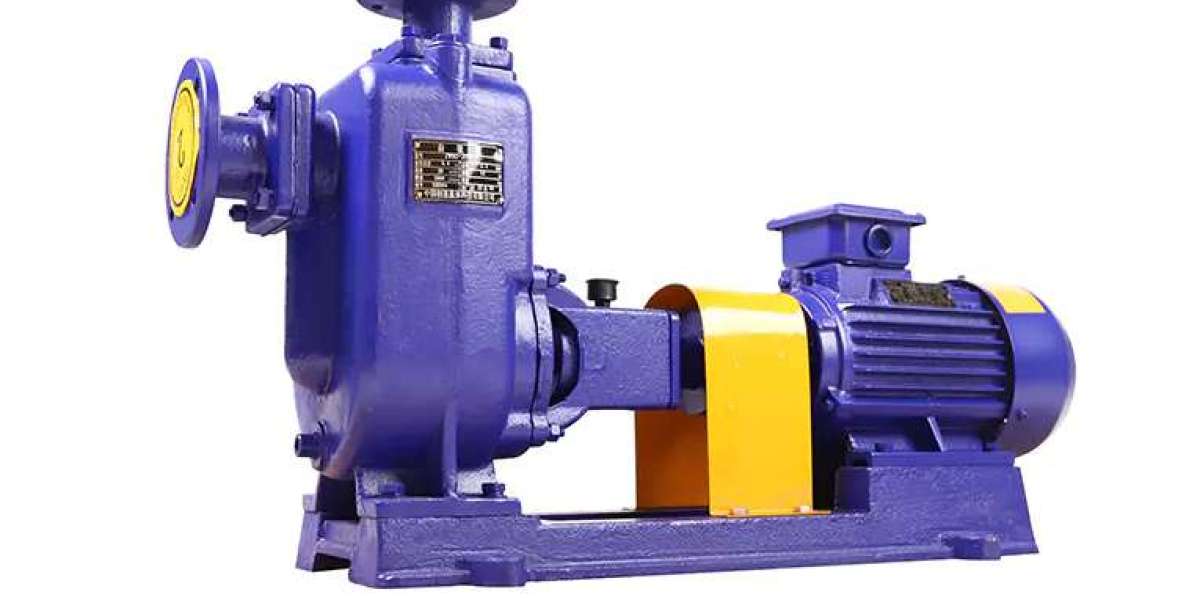
A conventional centrifugal pump needs to be filled with liquid before it can create the suction pressure needed to draw fluid from a source. If air enters the suction line, the pump loses its prime and simply spins without moving anything. A self-sucking pump solves this problem through a clever internal design. It keeps a reservoir of liquid inside the pump casing even after shutdown. When the pump restarts, that retained liquid mixes with incoming air, gradually expelling the air through the discharge side until the suction line fills completely and normal pumping begins.
This self-priming capability makes the design particularly valuable in situations where the pump is mounted above the liquid source — a common arrangement in drainage systems, portable water transfer units, and irrigation setups. Rather than requiring an operator to manually fill the casing or install foot valves to prevent backflow, the self-sucking pump handles the priming cycle on its own.
The construction of a self-sucking pump typically involves a larger volute casing compared to standard centrifugal models, along with a check valve that prevents liquid from draining back out of the casing between uses. Cast iron and stainless steel are common materials for the impeller and casing, chosen for their resistance to wear and corrosion across a wide range of fluid types. Whether handling clean water, mildly abrasive slurries, or chemically active liquids, the self-sucking pump offers a dependable starting point for any fluid management system where access to the liquid source is complicated or unreliable.