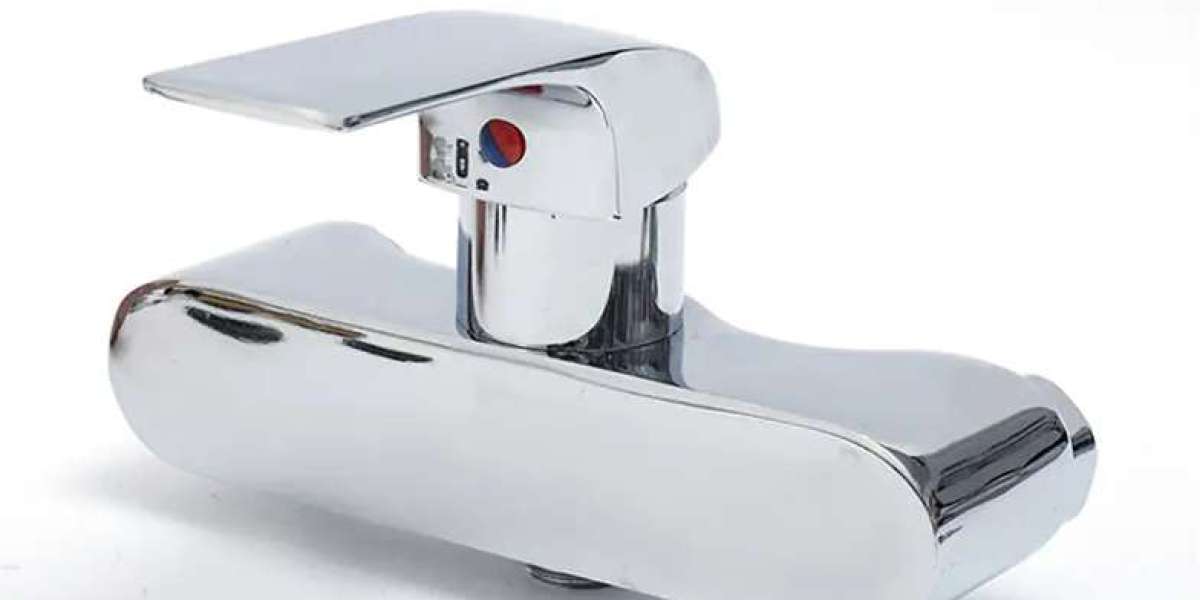

Replacing a shower faucet is one of those bathroom upgrades that delivers a noticeable return without requiring a full renovation. A dated, stiff-handled faucet with inconsistent temperature control makes every shower slightly frustrating. A well-chosen replacement changes the feel of the entire bathroom — and the experience of starting your day.
The first decision is valve type, because that determines performance more than any visible feature. Pressure-balancing valves are standard in most new residential construction and required by building code in many regions. They prevent temperature spikes when water pressure shifts elsewhere in the house. Thermostatic valves offer a more sophisticated solution — set your preferred temperature once, and the valve maintains it automatically. Some thermostatic systems include separate volume controls, allowing you to pause flow without losing your temperature setting, which is genuinely useful for conserving water mid-shower.
Finish selection affects both the look of the bathroom and the maintenance routine. Polished chrome remains a reliable, widely compatible choice that pairs with virtually any tile or fixture combination. Brushed finishes — whether nickel, gold, or bronze — add texture and warmth while being more forgiving of water spots and minor scratches. Matte surfaces have a clean, contemporary look but require consistent wiping to prevent mineral buildup from becoming visible.
Trim kits offer a budget-friendly path when the valve body itself is in good condition. Rather than replacing the entire faucet assembly, a trim kit swaps out the visible handle and plate, refreshing the look without touching the plumbing behind the wall. It's a practical middle ground between a quick cosmetic fix and a full replacement, and it works particularly well during a broader bathroom refresh.