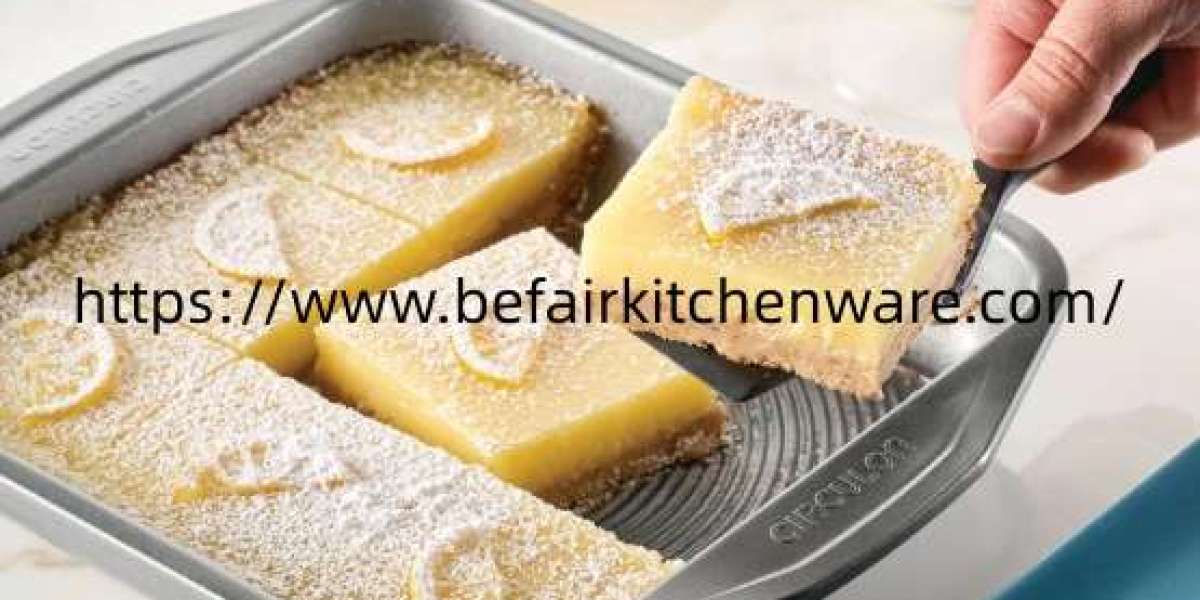

Cake Pan selection plays a surprisingly important role in baking performance. While ingredients and recipes often receive the most attention, the bakeware itself can significantly influence texture, appearance, moisture retention, and overall consistency. Whether baking at home or in a commercial kitchen, choosing suitable equipment can help create more reliable and predictable results.
Many bakers focus on ingredient measurements, mixing techniques, and oven temperatures. However, the baking vessel is directly responsible for how heat reaches the batter. Even small differences in material thickness, coating, shape, and construction can affect how a cake rises, browns, and finishes during the baking process.
Heat Distribution Shapes The Outcome
One of the main reasons baking equipment affects results is heat distribution. When heat spreads evenly across the surface, the batter receives consistent energy throughout the baking cycle.
Uneven heat transfer may cause some areas to bake faster than others. This can lead to darker edges, undercooked centers, or inconsistent textures. Products designed with balanced construction help support more uniform baking conditions.
For both home bakers and commercial kitchens, consistency remains important because it contributes to repeatable results from batch to batch.
Material Choice Matters
Different materials conduct heat differently. Aluminum, carbon steel, and other commonly used materials each offer distinct baking characteristics.
Aluminum is often valued for its ability to transfer heat efficiently, while carbon steel is frequently chosen for its strength and durability. Coated surfaces may also influence how baked goods release after cooling.
Selecting suitable materials depends on recipe requirements, production volume, and user preferences. Understanding these differences helps bakers choose equipment that aligns with their baking goals.
Shape Influences Baking Performance
The shape of baking equipment affects how batter expands and how heat circulates during baking.
Round products remain popular for celebration cakes, while square and rectangular designs are often used for sheet cakes and dessert bars. Specialty shapes can create unique presentations while introducing different heat flow patterns.
Depth also matters. A deeper design may require longer baking times, while a shallower option can encourage quicker heat penetration.
Because every recipe behaves differently, selecting an appropriate shape can contribute to more predictable outcomes.
Surface Design Supports Easy Release
Many bakers appreciate bakeware that helps reduce sticking. Surface treatments and non-stick coatings can make it easier to remove baked goods without damaging appearance or structure.
This becomes especially important when preparing layered cakes, decorative desserts, or products intended for display. Smooth release helps preserve edges and surface details while reducing cleanup time after baking.
Proper care and maintenance also contribute to long-term usability.
Durability Supports Frequent Use
Both home kitchens and commercial bakeries often rely on equipment that can withstand repeated heating and cooling cycles.
Durable construction helps maintain shape stability over time and supports consistent performance across multiple baking sessions. Products designed for frequent use may help reduce replacement frequency and support ongoing kitchen operations.
As baking trends continue evolving, many users seek equipment that balances functionality, practicality, and durability.
Why Bakers Consider Befairkitchenware
Baking enthusiasts and professional users often evaluate product construction, material selection, and design features when choosing bakeware. Befairkitchenware offers a range of solutions developed for various baking applications, helping users meet different recipe and production needs.
Whether preparing celebration cakes, daily desserts, or commercial bakery products, selecting suitable bakeware can contribute to improved baking consistency and user convenience. As more consumers seek reliable kitchen tools, product quality and thoughtful design remain important considerations.
Those interested in exploring additional baking solutions can visit Befairkitchenware through https://www.befairkitchenware.com/product/bakeware/ and review available options for home and professional baking environments.