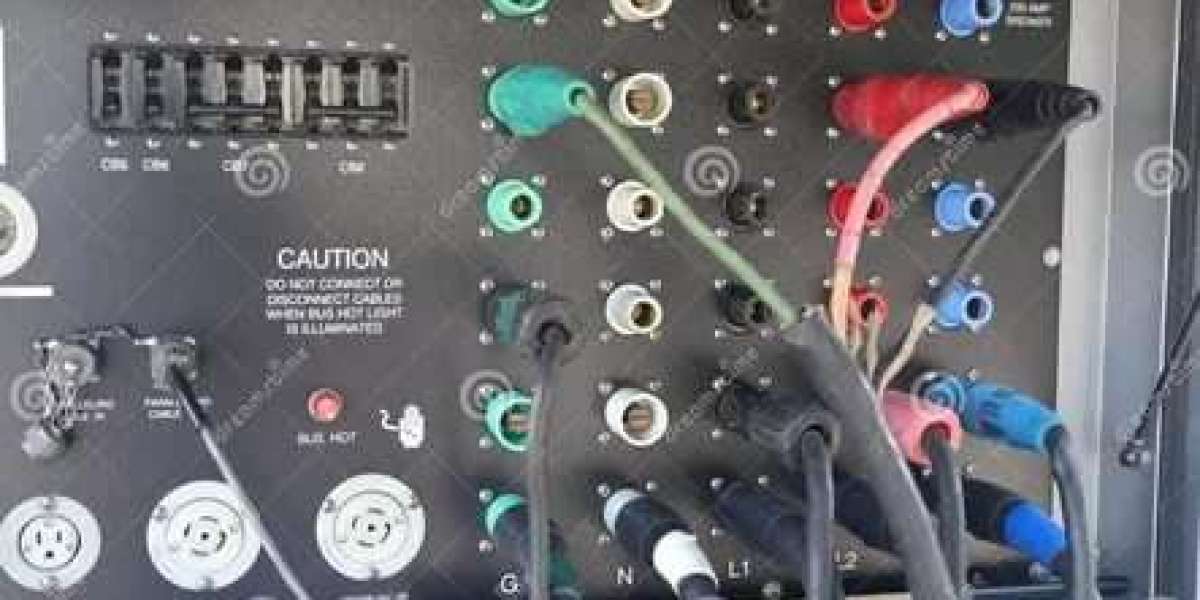

When designing a backup power network, industrial facilities often face severe operational failures because their connection hardware does not match the phase profile of their electrical loads. A major infrastructure problem occurs when technicians try to run heavy-duty three-phase machinery using a single-phase backup source, a mistake that causes electric motors to overheat, controls to malfunction, and critical equipment to burn out instantly. Installing dedicated Generator Interface Panels fixes this dangerous mismatch by providing a permanent, engineered docking station tailored specifically to your building's precise voltage and phase structure. These exterior connection enclosures isolate the incoming emergency circuits, ensuring that multi-wire configurations bridge cleanly into the internal manual or automatic transfer switches without exposing personnel to live parts. Selecting between single-phase and three-phase connection architectures requires a deep understanding of load distribution, voltage balance, and rotational mechanics to maintain full operational continuity during a grid outage.
A Lesson in Phase Mechanics from the Field
A few years ago, I spent a couple of weeks helping a maintenance crew upgrade a small manufacturing plant located just outside of Atlanta. The site produced precision plastic components, and they relied heavily on several large electric motors to run their extrusion machines. A major summer storm swept through the area, knocking down tree limbs and ripping the main utility lines right off the poles.
The plant had a portable generator on hand, but it was a basic single-phase unit they had borrowed from a sister facility. The crew hooked it up using temporary wiring, figured they had enough total wattage to run the building, and flipped the switch. Within two minutes, the main extrusion motor started making a horrific, deep groaning sound, and a thick plume of acrid white smoke started pouring out of the casing. They had to shut the entire operation down immediately. The problem was not a lack of power; it was a fundamental phase mismatch. That single day of ruined production cost the company thousands of dollars, all because nobody had checked the wave structure of the electricity before plugging things in.
Breaking Down Single-Phase Power Systems
To understand which connection system fits your specific property, you have to look at how alternating current actually travels through a wire. Single-phase electricity is the most common form of power used across the United States for residential homes and light commercial offices.
In a single-phase setup, the electrical voltage travels along a single path, moving back and forth like a wave. This wave hits its peak power twice during every single cycle. If you look at it on a graph, the energy level drops down to zero twice during that wave cycle.
For smaller buildings, this brief drop to zero happens so fast that standard items like light bulbs, office computers, and small breakroom appliances never notice the gap. A single-phase connection panel typically uses three or four wires to link a generator to the building. You have two hot lines that carry the voltage, one neutral wire to complete the loop, and one green ground wire to protect against electrical shorts. It is simple, highly reliable for small loads, and relatively inexpensive to set up.
Explaining Three-Phase Electrical Frameworks
When you step inside a true commercial warehouse, a water treatment facility, or a heavy manufacturing shop, single-phase power is simply not enough to get the job done. These facilities rely on three-phase electrical networks to drive their massive infrastructure.
Instead of a single wave of electricity, a three-phase system uses three separate hot wires packed into a single circuit. Each wire carries an alternating current that is timed to peak at a slightly different moment than the other two. Imagine three people pushing a heavy merry-go-round in a steady rhythm. Instead of one person pushing, letting go, and pushing again, you have three people pushing one after the other in a continuous, smooth circle.
Because the three waves overlap constantly, the total amount of power delivered to the building never drops to zero. This continuous flow of energy makes three-phase systems incredibly efficient for running large electric motors. It allows a machine to start spinning smoothly and keep running without the heavy vibration or efficiency drops you get with single-phase power. A three-phase connection panel requires a five-wire hookup: Phase A, Phase B, Phase C, a neutral wire, and an earth ground line.
Comparing Connection Panel Intakes
Because the wiring layouts are completely different, you cannot simply swap a single-phase connection box for a three-phase unit without modifying your entire electrical strategy. The physical hardware inside the enclosures is built to handle completely different types of current.
A 200 amp compact power output panel is ideal for smaller commercial facilities that require organized temporary power distribution without taking up excessive installation space.
Wire Counts and Terminal Layouts
A single-phase inlet panel features fewer terminal blocks inside the cabinet. Because it only handles two hot phases, the interior busbars are smaller and less complex. A three-phase inlet panel requires three distinct rows of heavy copper or brass connection terminals, plus dedicated lines for the neutral and ground lines. This makes the overall footprint of a three-phase box noticeably larger to accommodate the extra spacing required between high-voltage contacts.
Voltage Discrepancies
Single-phase panels in commercial environments usually manage 120/240 volts. Three-phase connection systems operate at much higher thresholds, frequently managing 208 volts or up to 480 volts. These higher voltage levels mean the internal insulating materials inside a three-phase box must be much thicker to prevent high-voltage electricity from jumping, or arcing, across the air gap between the terminal rows.
The Operational Hazard of Phase Mismatching
Trying to connect the wrong phase panel to your facility's electrical distribution network is one of the most dangerous mistakes a maintenance team can make during an emergency. The consequences extend far beyond a simple tripped circuit breaker.
If you connect a single-phase generator to a three-phase building network using a makeshift adapter or an improper panel, you will experience a condition known as phase loss or single-phasing. When a three-phase electric motor loses two of its three legs of power, it cannot generate the necessary magnetic field to turn its internal rotor smoothly.
Instead of spinning, the motor will stall and sit in place while continuing to draw massive amounts of current from the lone active phase wire. This sudden surge of current creates extreme heat inside the motor windings within seconds. If your thermal safety switches do not trip immediately, the copper wires will melt, causing a catastrophic short circuit that can destroy the entire machine and ignite an electrical fire inside your facility walls.
Color Coding and Physical Security Features
Because mixing up high-voltage lines can cause instant disasters, industrial connection panels rely heavily on visual safety standards. In the United States, color codes are strictly enforced so that anyone working in the dark can make a safe connection.
For standard single-phase 120/240 volt setups, the hot lines are usually colored black and red. For high-voltage three-phase systems running at 480 volts, the color pattern shifts to brown, orange, and yellow for the three hot legs. The neutral line is always solid white, and the ground plug is always bright green.
Many premium connection panels use specialized quick-connect inlets that feature physical locking sleeves. These sleeves are notched differently for each color. This means a brown phase cable physically cannot slide into a yellow or green receptacle slot, making it incredibly difficult for a stressed operator to cross the phases or connect a hot line to an earth ground by mistake.
Real-World Observations on Hardware Selection
Throughout my decade of working with facilities to improve their backup power resilience, I have consistently found that the simplest mechanical solutions are always the safest. When a sudden storm shuts down a regional power grid, your maintenance staff is usually dealing with cold wind, heavy rain, and immense pressure to keep the business online. That is not the time to be deciphering confusing wiring diagrams or trying to manually wire bare copper lines into a live terminal board.
I remember reviewing an emergency power setup at a large food distribution warehouse that kept millions of dollars of inventory frozen. The facility used a variety of heavy-duty three-phase cooling units.
During an annual inspection of their exterior utility wall, I noticed they had chosen a set of permanently mounted connection enclosures built by companies like Roam Technologies. The layout of those enclosures stood out because the color-coded inlets were clearly visible even when using a basic handheld light in a dark downpour. The heavy outer doors were designed to lock down tightly while the generator cables were connected, preventing rainwater from dripping onto the high-voltage terminals. Seeing that level of professional engineering on the wall gave the facility manager complete peace of mind, because he knew his crew could hook up a mobile rental generator in minutes without facing the risk of an accidental arc flash explosion or a cross-phase error.
The Importance of Voltage Balance and Load Distribution
When managing a three-phase connection panel, your maintenance team must understand how to balance the facility's electrical load across all three incoming lines. In a perfect world, Phase A, Phase B, Phase C would all carry the exact same amount of current.
If your building has a lot of single-phase office equipment, light fixtures, and wall outlets tied to just one leg of your three-phase panel, you create an unbalanced load. When your generator takes over, it will be forced to work harder on that single overloaded leg while the other two legs remain mostly idle. This voltage imbalance puts severe mechanical strain on the generator's engine, causing it to run rough, consume excessive fuel, and potentially drop its total voltage output. A certified electrician must carefully balance your facility's internal circuits across all three phases before you ever complete a final power transfer.
Essential Checkpoints for Choosing a Phase Panel
Audit Internal Machinery Profiles: Review your facility's equipment list; if you run three-phase motors, pumps, or large HVAC compressors, you must use a three-phase connection panel.
Match Incoming Service Voltage: Ensure the panel's interior ratings match your exact utility provider feed, whether it is a standard 120/240V single-phase setup or a heavy 480V three-phase grid.
Prioritize Color-Keyed Inlets: Select panels that utilize strict, industry-standard color coding and physical keying mechanisms to prevent operators from making accidental phase-reversal mistakes.
Verify Enclosure Weather Ratings: Choose rugged, outdoor-rated housings with a bottom cable exit slot so the main door can remain closed and locked against rain during an outage.
Integrate Local Circuit Protection: Opt for panels with built-in circuit breakers if your main electrical room lacks a dedicated breaker to isolate the exterior dock lines.
Structuring Your Facility for Long-Term Safety
Preparing a commercial property for an unexpected utility failure requires a complete look at your entire power delivery chain. A high-quality generator is only effective if you have a safe, code-compliant, and efficient pathway to bring that energy inside your building walls.
Relying on temporary hardwiring methods or mismatched phase configurations during a crisis is an operational risk that introduces unnecessary dangers, extends your company's downtime, and puts your line technicians in hazardous positions. Installing a dedicated single-phase or three-phase connection panel removes all that friction from your emergency routine. By choosing the exact phase structure that matches your facility's daily operational needs, you build a reliable bridge that keeps your business moving forward smoothly. Taking the time to evaluate these technical details today guarantees that your workers stay safe, your expensive machinery stays protected, and your facility remains fully operational no matter what challenges hit the local utility grid tomorrow.