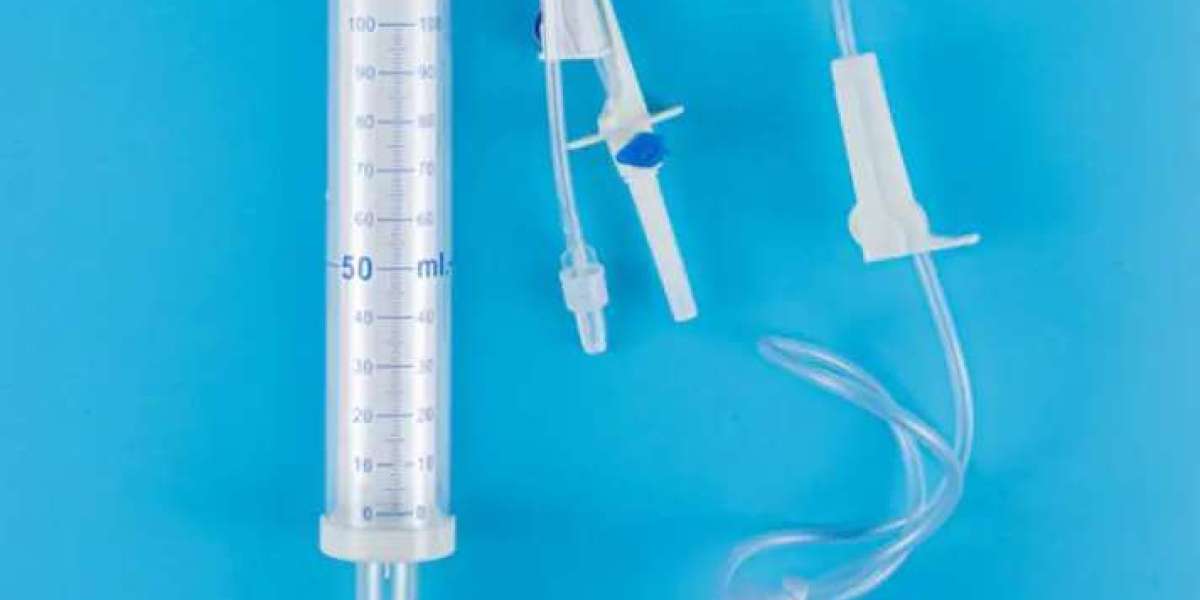

A dosing pipette stands as a fundamental fluid-handling tool widely adopted in various laboratory and industrial settings, designed to measure and transfer fixed liquid volumes with steady precision. Its core operation relies on air displacement and vacuum formation, a simple yet reliable physical mechanism that supports consistent liquid dosing in routine experiments and production processes. Before liquid aspiration, users press the control button to push down the internal piston, which expels a specific amount of air from the pipette shaft and tip. This step pre-sets the liquid volume to be collected and lays the foundation for accurate fluid transfer. When the button releases slowly, a partial vacuum forms inside the sealed tip. Ambient atmospheric pressure pushes external liquid upward through the tip orifice, filling the pipette cavity with the calibrated volume of liquid. During dispensing, a second press of the control button increases internal air pressure, driving the liquid out in a controlled flow. Modern dosing pipette models feature clear graduated markings on their tubular body, allowing users to adjust and read volume values intuitively. Different structural designs adapt to diverse liquid properties, including aqueous solutions, low-viscosity reagents, and stable chemical mixtures. Proper operation requires vertical holding of the device to avoid reading deviations caused by tilting. Regular inspection of piston flexibility and tip tightness maintains stable functional performance. Without complex auxiliary equipment, the dosing pipette completes standardized liquid dosing, making it a staple tool for basic and medium-precision fluid handling tasks across scientific fields.



Popular Posts




