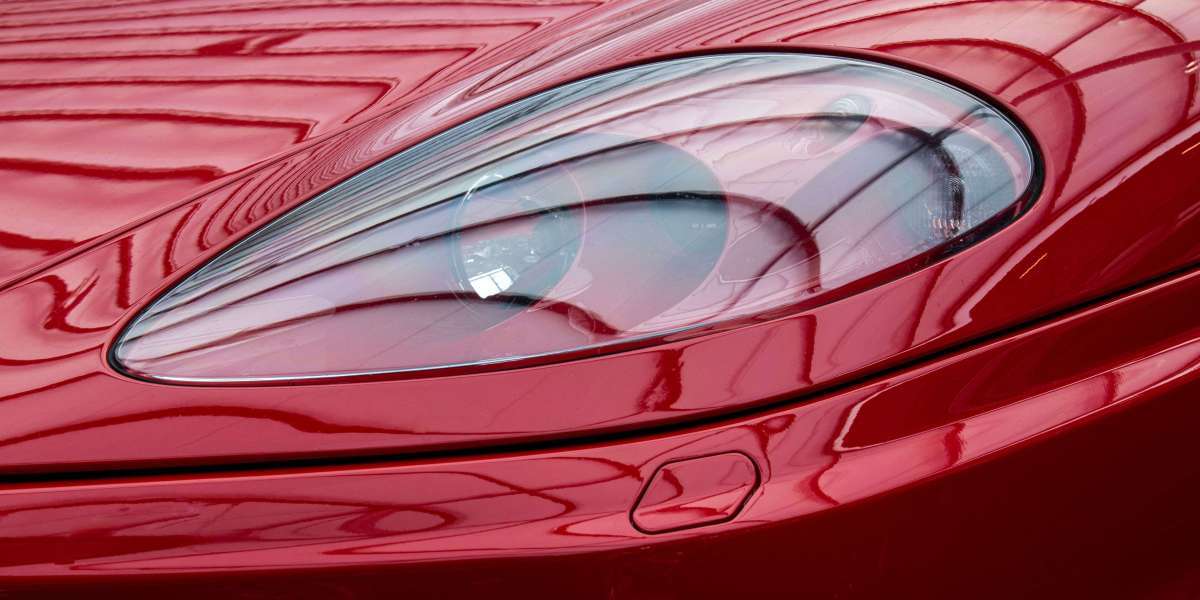

clear ppf film is designed to shield your vehicle's paint from scratches, road debris, UV rays, and environmental contaminants. However, weather conditions can influence how well the film performs and how long it lasts. High temperatures, freezing weather, heavy rain, snow, and constant sun exposure all affect the film differently. Choosing a high-quality clear PPF film and following proper maintenance practices will help it deliver reliable protection in every season.
Why Weather Matters for Clear PPF Film
Clear PPF film is engineered to withstand changing climates, but no protective material is completely unaffected by the environment. Temperature fluctuations, moisture, sunlight, and airborne contaminants can impact the film's flexibility, clarity, adhesive strength, and self-healing properties over time.
Understanding these effects allows vehicle owners to maintain their paint protection more effectively and maximize the lifespan of the film.
How Different Weather Conditions Affect Clear PPF Film
| Weather Condition | Effect on Clear PPF Film | Recommended Care |
|---|---|---|
| Hot Summer Weather | Increases film flexibility and activates self-healing | Wash regularly and park in shade when possible |
| Cold Winter Weather | Makes the film slightly stiffer until warmed | Avoid pressure washing frozen film |
| Heavy Rain | Helps rinse away loose dust but leaves mineral deposits | Dry the vehicle after rain |
| Snow and Ice | Salt and chemicals can reduce long-term appearance | Wash frequently during winter |
| UV Exposure | Quality films resist yellowing and fading | Use films with UV protection |
| Humidity | Minimal effect after proper curing | Allow full installation curing time |
How Heat Impacts Clear PPF Film
Warm weather generally benefits clear PPF film because many premium products feature self-healing technology activated by heat.
Benefits of Warm Temperatures
Minor scratches disappear more quickly.
Film remains flexible.
Better resistance against small surface marks.
Improved overall appearance.
However, extremely high temperatures combined with poor maintenance may allow dirt, tree sap, bird droppings, or bug residue to bond more firmly to the film if not cleaned promptly.
Best Practices During Summer
Wash your vehicle every one to two weeks.
Remove contaminants as soon as possible.
Use automotive-safe microfiber towels.
Park in covered areas whenever practical.
How Cold Weather Affects Clear PPF Film
Cold temperatures temporarily reduce the flexibility of the film, but quality clear PPF film continues protecting the paint effectively.
During winter, the biggest concern is not the temperature itself but road salt, sand, and de-icing chemicals.
Winter Risks
Salt buildup
Gravel impact
Frozen contaminants
Chemical residue
Regular washing helps prevent these materials from remaining on the film for extended periods.
The Impact of Rain and Moisture
Rain itself rarely damages clear PPF film.
Instead, problems usually come from contaminants carried by rainwater, including:
Dirt
Acidic pollutants
Mineral deposits
Industrial fallout
Allowing dirty rainwater to dry naturally may leave water spots that reduce the film's clarity.
After Heavy Rain
Rinse the vehicle.
Wash using pH-neutral automotive shampoo.
Dry with a microfiber drying towel.
Inspect for stuck contaminants.
Does UV Exposure Damage Clear PPF Film?
Modern clear PPF film is designed with UV inhibitors that help prevent yellowing and oxidation.
Continuous sunlight primarily affects lower-quality films, while premium products maintain their transparency for years.
Benefits include:
Reduced paint fading
Improved gloss retention
Protection from oxidation
Better long-term appearance
Vehicles parked outdoors daily benefit the most from UV-resistant clear PPF film.
Wind, Dust, and Sand Exposure
Drivers in desert or coastal regions experience higher levels of airborne particles.
While clear PPF film protects against light abrasion, constant sand blasting can gradually wear the outer surface over several years.
To minimize wear:
Wash dust away instead of wiping it dry.
Avoid rubbing dirty surfaces.
Apply recommended maintenance products if approved by the installer.
How Seasonal Temperature Changes Affect Adhesion
One concern many vehicle owners have is whether weather causes the film to peel.
Properly installed clear PPF film is designed to expand and contract with changing temperatures.
Problems usually occur because of:
Poor installation
Low-quality materials
Incomplete curing
Damaged edges
Professional installation greatly reduces these risks.
Best Maintenance Practices for Every Season
| Season | Recommended Maintenance |
|---|---|
| Spring | Remove pollen and road debris regularly |
| Summer | Wash often and remove bug residue quickly |
| Autumn | Clean fallen leaves and tree sap immediately |
| Winter | Remove road salt frequently and avoid harsh scraping |
Consistent maintenance keeps the film looking clear while preserving its protective properties.
Common Mistakes That Reduce Clear PPF Film Performance
Avoid these common errors:
Washing immediately after installation before curing is complete.
Using abrasive brushes.
Applying harsh chemical cleaners.
Ignoring bird droppings or tree sap.
Pressure washing directly against film edges.
Scraping ice aggressively with sharp tools.
Small maintenance habits significantly improve long-term performance.
Pro Tips for Maximizing Clear PPF Film Lifespan
Wash using pH-balanced automotive soap.
Dry the vehicle after rain whenever possible.
Store the vehicle indoors during extreme weather.
Schedule regular inspections if you drive in harsh climates.
Remove contaminants before they harden.
Follow the installer's recommended care instructions.
Frequently Asked Questions
Does hot weather damage clear PPF film?
No. Quality clear PPF film is designed for high temperatures and often performs better in warm weather because heat activates its self-healing properties.
Can snow reduce the lifespan of clear PPF film?
Snow itself does not cause damage. Road salt and winter chemicals are the primary concerns, making regular washing essential.
Does rain weaken clear PPF film adhesive?
No. Properly cured and professionally installed clear PPF film maintains strong adhesion even during prolonged rainy conditions.
Will UV rays cause clear PPF film to turn yellow?
Premium films include UV-resistant technology that minimizes yellowing and protects both the film and the vehicle's paint.
Which weather condition is hardest on clear PPF film?
Road salt, sand, prolonged UV exposure, and neglected contaminants generally create more wear than temperature alone.
Conclusion
Clear PPF film is built to perform in a wide range of weather conditions, from intense summer heat to freezing winter temperatures. While environmental factors can influence its appearance and longevity, proper installation and regular maintenance ensure consistent protection throughout the year. By cleaning the film regularly, removing contaminants quickly, and following seasonal care practices, vehicle owners can preserve both the clarity of the film and the condition of their vehicle's paint for many years.