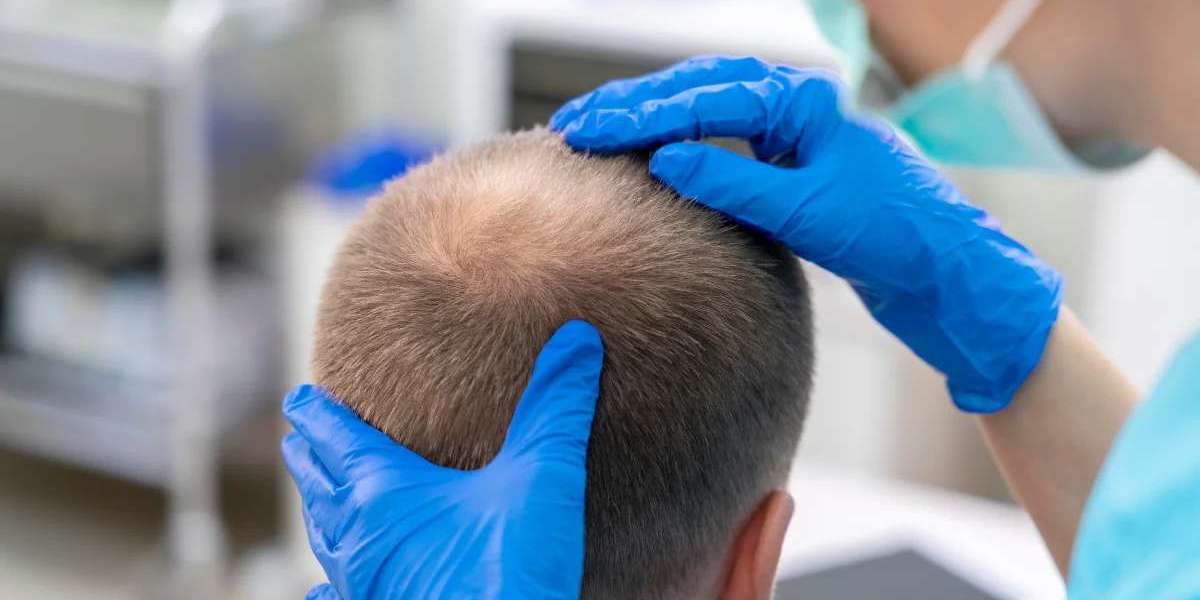

Hair loss can affect confidence, appearance, and overall self-image, leading many people to explore advanced solutions for restoring natural-looking hair. A Hair Transplant in Dubai is a modern cosmetic procedure designed to treat hair thinning and baldness by relocating healthy hair follicles from one area of the scalp to areas experiencing hair loss. With advanced techniques, experienced specialists, and high-quality medical facilities, Dubai has become a popular destination for individuals seeking effective hair restoration treatments. Understanding how the procedure works, its benefits, and what to expect can help patients make informed decisions before undergoing treatment.
What Is a Hair Transplant:
A hair transplant is a minimally invasive procedure that involves moving hair follicles from a donor area, usually the back or sides of the scalp, to areas where hair growth has reduced. The transplanted follicles are naturally resistant to hair loss and can continue producing hair after being placed in the targeted areas. Unlike temporary hair loss solutions, a transplant focuses on creating long-lasting results by using the patient’s own hair.
Hair transplants are commonly used to treat different types of hair loss, including:
- Male pattern baldness caused by genetic factors
- Female hair thinning and reduced hair density
- Receding hairlines
- Bald patches on the scalp
- Hair loss due to certain injuries or medical conditions
The goal of the procedure is not only to restore hair but also to create a natural hairline and improve overall scalp coverage.
How Does a Hair Transplant Work:
A hair transplant works by carefully extracting healthy hair follicles from a donor area and implanting them into areas affected by thinning or baldness. Before treatment, a specialist evaluates the scalp, hair density, hair loss pattern, and future hair growth expectations to create a personalized treatment plan.
The procedure generally involves the following steps:
- Consultation and scalp assessment to determine suitability for treatment
- Designing a natural-looking hairline based on facial features and hair patterns
- Preparing the donor and recipient areas
- Extracting individual hair follicles using advanced techniques
- Implanting follicles into precise locations to achieve proper density and direction
The transplanted follicles gradually adapt to their new location and begin producing natural hair growth over time.
Different Hair Transplant Techniques:
Modern hair restoration has developed several techniques that allow specialists to provide customized results depending on a patient’s needs. The two most common methods are Follicular Unit Extraction (FUE) and Follicular Unit Transplantation (FUT).
FUE is widely preferred because it involves removing individual follicles without creating a large linear scar. It allows for faster recovery and is suitable for patients who prefer shorter hairstyles. FUT involves removing a small strip of scalp tissue containing hair follicles, which are then separated and transplanted into thinning areas.
Key differences between these techniques include:
- FUE offers minimal scarring and quicker healing
- FUT may be suitable for patients requiring a larger number of grafts
- Both methods use natural hair follicles for permanent growth
- The choice of technique depends on hair loss severity and individual goals
A specialist determines the most suitable option after evaluating the patient’s scalp condition.
What Happens During a Hair Transplant Procedure:
The hair transplant process usually begins with local anesthesia to ensure patient comfort. Once the scalp is prepared, the surgeon carefully extracts healthy follicles from the donor region. These follicles are then sorted and prepared before being implanted into tiny openings created in the recipient area.
During implantation, specialists focus on:
- Correct hair direction and angle
- Balanced distribution of follicles
- Natural hairline design
- Appropriate spacing for future growth
The duration of the procedure depends on the number of grafts required. Smaller treatments may take several hours, while larger sessions can require more time. Since the procedure uses local anesthesia, most patients experience minimal discomfort.
Recovery and Hair Growth After Transplant:
Recovery after a hair transplant is usually gradual, and patients receive specific aftercare instructions to protect newly implanted follicles. Mild swelling, redness, or sensitivity may occur during the first few days, but these effects typically improve as the scalp heals.
Patients should follow important recovery guidelines, including:
- Avoiding excessive touching or scratching of the treated area
- Following prescribed scalp care instructions
- Protecting the scalp from direct sunlight
- Avoiding strenuous activities during the initial recovery period
- Using recommended products for healing and hair maintenance
New hair growth does not appear immediately. Transplanted hair usually sheds initially, which is a normal part of the process. New growth commonly becomes visible after a few months, with continued improvement over time.
Benefits of Choosing Hair Transplant Treatment:
A hair transplant offers several advantages compared with temporary hair restoration methods. Since the procedure uses the patient’s own follicles, the results can look natural and blend with existing hair.
Major benefits include:
- Permanent hair restoration solution
- Natural appearance and texture
- Improved confidence and self-esteem
- No need for daily hair replacement products
- Hair that can be styled and maintained normally
Advanced techniques have also improved precision, allowing specialists to create customized results that match each patient’s facial structure and expectations.
Who Is a Good Candidate for Hair Transplant:
Not everyone experiencing hair loss requires a transplant. Ideal candidates usually have sufficient healthy donor hair and realistic expectations about the results. A consultation with a qualified specialist helps determine whether the procedure is appropriate.
Good candidates often include individuals who:
- Experience pattern hair loss
- Have stable areas of donor hair
- Want a long-term solution for thinning hair
- Are in good general health
- Understand the gradual nature of hair growth after treatment
Patients with certain medical conditions or insufficient donor hair may require alternative treatment options.
Factors That Affect Hair Transplant Results:
The success of a hair transplant depends on multiple factors, including the quality of donor hair, the expertise of the specialist, and proper aftercare. While the procedure can provide significant improvement, results vary from person to person.
Important factors influencing outcomes include:
- Severity and pattern of hair loss
- Hair thickness and texture
- Number of transplanted grafts
- Individual healing ability
- Following post-treatment instructions
Choosing an experienced clinic and maintaining realistic expectations are essential for achieving satisfying results.
Why Hair Transplant Procedures Are Popular in Dubai:
Dubai has become a leading destination for cosmetic and aesthetic treatments due to its advanced healthcare facilities and access to skilled specialists. Many individuals choose the city for hair restoration because clinics often provide modern technology, personalized care, and comprehensive treatment plans.
Patients considering treatment in Dubai often benefit from:
- Experienced hair restoration professionals
- Advanced transplant techniques
- High standards of medical care
- Customized approaches for different hair loss patterns
- Modern facilities designed for patient comfort
The growing demand for effective hair restoration has made Dubai a recognized location for individuals seeking reliable solutions for hair loss.
Final Thoughts:
A hair transplant is an advanced procedure that restores hair by moving healthy follicles from one area of the scalp to another. It provides a natural and long-lasting approach for individuals dealing with thinning hair, baldness, or receding hairlines. Understanding the process, available techniques, recovery expectations, and factors affecting results can help patients prepare for their treatment journey. With proper consultation and care, a Hair Transplant in Dubai can offer improved hair density, a natural appearance, and renewed confidence.