
Artificial intelligence infrastructure requires far more than an empty building and a large parcel of land. AI-focused data centers depend on enormous computing capacity, which creates demanding requirements for electricity, cooling, fiber connectivity, security, and operational reliability. A former factory or industrial campus may already possess some of these advantages, but owners need a careful technical review before assuming the property is suitable for redevelopment.
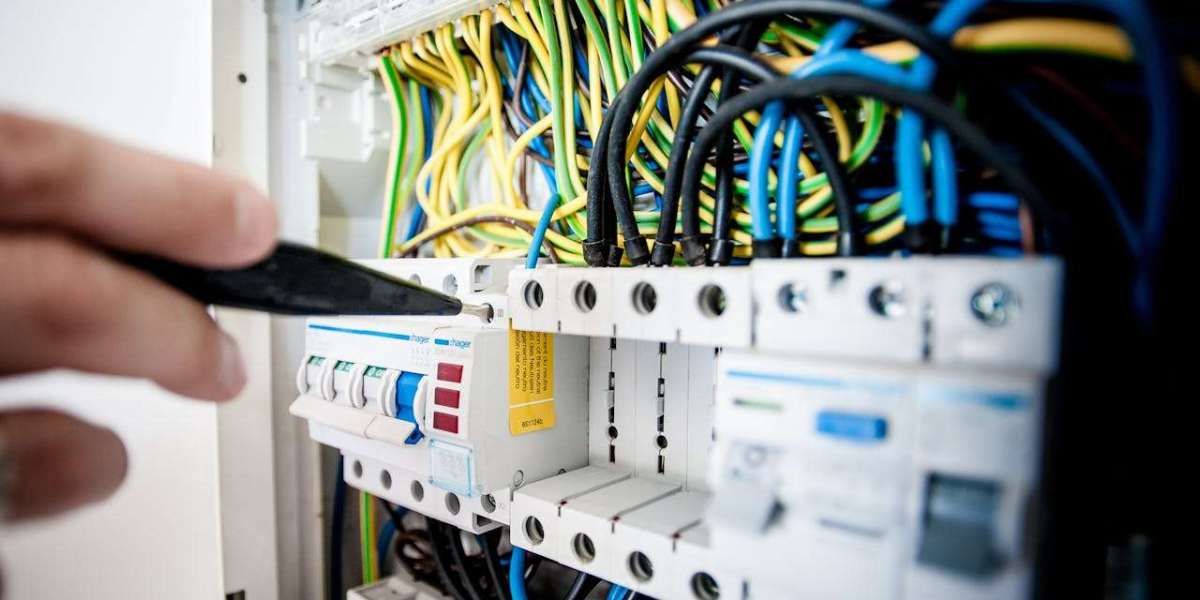
The electrical system is usually the most important starting point. AI data centers can require substantial power, often delivered through dedicated substations, high-voltage transmission connections, and redundant utility feeds. Existing industrial service may be useful, especially if the property previously supported energy-intensive manufacturing, but historic consumption does not prove that additional capacity is currently available. The utility provider must confirm how many megawatts can be delivered, the required upgrades, and the expected energization schedule.
Owners asking Is my industrial site suitable for AI infrastructure? should evaluate the property as a combination of power, land, fiber, water, zoning, and development timing. AI infrastructure developers often prioritize sites that can be brought online quickly because delays in utility construction or permitting can reduce a property’s attractiveness. A technically promising location may still be unsuitable if electrical upgrades will take many years, if fiber routes lack redundancy, or if local regulations restrict generators, cooling systems, or continuous operations.
Fiber connectivity is another essential factor. AI facilities need high-capacity connections to move large volumes of data between computing clusters, cloud networks, research institutions, and end users. A nearby fiber line is helpful, but developers generally prefer multiple carriers and physically diverse routes. Two connections that follow the same road or utility corridor may not provide true redundancy. Owners should document available carriers, route diversity, connection distances, and the cost of extending service to the site.
Cooling demands can also influence feasibility. High-density computing equipment produces significant heat, and the selected cooling method affects water consumption, building design, mechanical equipment, and land requirements. Some projects use water-intensive systems, while others rely on air cooling, closed-loop designs, or specialized liquid cooling. The local climate, water supply, discharge regulations, noise limits, and sustainability requirements can determine which systems are practical.
The property must have enough usable land for more than the main building. AI infrastructure may require substations, transformers, backup generators, fuel systems, cooling equipment, security setbacks, stormwater facilities, parking, and future expansion areas. Irregular parcels, wetlands, flood zones, environmental contamination, or limited road access can reduce the buildable area. A survey and conceptual site plan can reveal whether the available acreage supports the intended scale.
Existing factory buildings may provide value when they have strong structural systems, adequate floor loading, suitable ceiling heights, and flexible layouts. However, many AI data center developers prefer purpose-built facilities because equipment density, electrical distribution, cooling, and fire protection must be carefully coordinated. In some cases, the land and utility connections are more valuable than the structure, making selective demolition or complete redevelopment the better option.
A strong candidate typically combines confirmed power capacity, realistic delivery timing, redundant fiber access, sufficient buildable acreage, compatible zoning, manageable environmental conditions, and community support. Owners should gather electrical records, utility correspondence, surveys, environmental reports, zoning information, water data, and fiber maps before approaching developers. A specialized feasibility study can then determine whether the property should be marketed for AI infrastructure, conventional data center use, advanced manufacturing, or another industrial purpose.