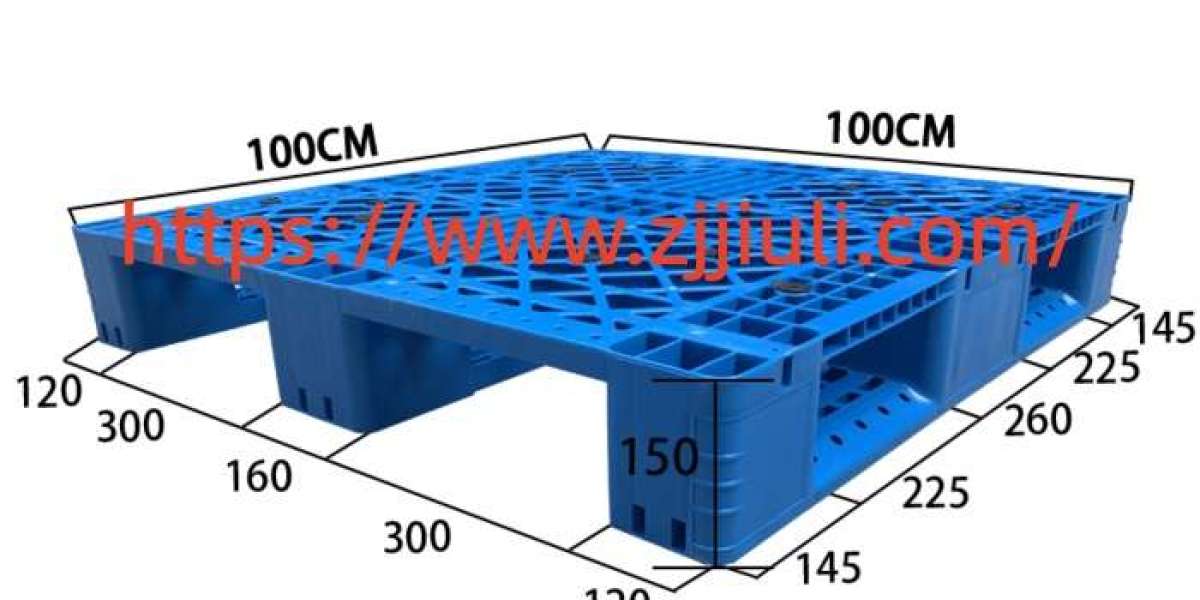

Flat Pallets come in a range of footprints that support varied transport routes and storage layouts. Choosing the right outer measurements keeps goods stable on trucks and in facilities while making the most of available space.
Begin with the common North American footprint of 48 by 40 inches. This size fits many trailer floors and rack systems used across grocery and general goods movement. It allows two units side by side in a standard dry van and matches the reach of most forklifts. Operators often select this measurement when shipments stay within domestic networks and when racking already follows the same pattern.
For routes that cross into Europe the 1200 by 800 millimeter format appears frequently. It sits well inside European trailers and containers and works with local jack and fork equipment. A slightly wider 1200 by 1000 millimeter version is common in the United Kingdom and parts of Asia. Both sizes keep the load within legal height limits when stacked and leave room for secure wrapping.
Square formats such as 42 by 42 inches or 1100 by 1100 millimeters serve industries that handle drums paint or electronics. The equal sides simplify rotation on turntables and help balance weight when the load is not rectangular. These footprints also fit certain automated storage systems that prefer uniform spacing between beams.
Half size units measuring roughly 24 by 20 inches or 600 by 800 millimeters support smaller order volumes or retail display needs. They nest or stack inside larger footprints during return trips and reduce the number of full size carriers required for mixed shipments. Facilities with limited aisle space often keep a stock of these smaller bases for quick internal transfers.
When planning for international containers check the internal length and width of the box. Two 48 by 40 units usually fit side by side while three Euro style units can fill the same width in some configurations. Leaving a small gap for air circulation or forklift access prevents damage during ocean movement. Height must also stay below the container door opening after the load and wrapping are added.
Storage areas place different demands on size. Selective racking requires the base to rest fully on the beams without overhang that could tip. Drive in or push back systems may accept slightly different lengths as long as the runners align with the rails. Floor stacking benefits from units that interlock or sit level so the column remains stable under successive layers.
Weight distribution across the chosen footprint matters as much as the outer numbers. A base that is too narrow for a heavy load can flex in the center while a base that is too wide may leave unused space on the trailer floor. Measure the actual goods and add a margin for shift during transit before finalizing the order.
Zhiguangplastic supplies units across these common footprints so buyers can match the same design family to both domestic and export routes. Consistent production tolerances keep every piece within the stated length and width which supports reliable stacking and equipment entry.
Test a few samples against your own trailers racks and conveyors before placing a large order. Confirm that forks enter cleanly that the load sits level and that empty units return without wasted space. Small checks early prevent larger adjustments later.
Regional regulations and customer requests can also influence size choice. Some retail chains specify a preferred footprint for store delivery while certain ports favor formats that clear automated gates. Keeping a short list of approved measurements simplifies purchasing and reduces the chance of rejected shipments.
By reviewing route requirements storage constraints and equipment reach the selected footprint supports both current needs and later growth. The result is fewer handling steps and clearer planning for every movement cycle.
Review current size options at https://www.zjjiuli.com/ to compare footprints that align with typical shipping and storage patterns.