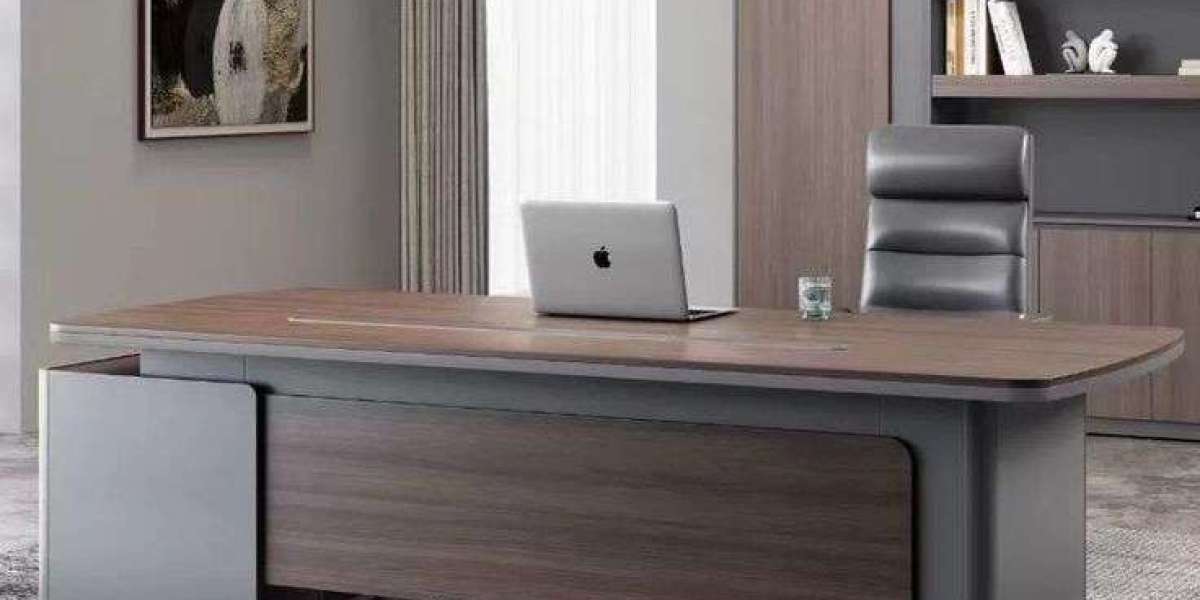

A successful workplace needs more than computers, lighting, and technology. The physical environment also affects how comfortably and efficiently people complete their daily responsibilities. Office furniture is a major part of that environment because it determines how employees sit, work, communicate, organize documents, and use available space. A thoughtfully furnished office can support productivity while creating a professional atmosphere for employees, clients, and visitors. From individual workstations to meeting tables and storage cabinets, every item should have a clear purpose. Businesses can achieve better results by selecting furniture that fits their office dimensions, work routines, design preferences, and future requirements.
Understanding the Purpose of Your Office Space
Before purchasing furniture, businesses should first understand how each area of the workplace will be used. An accounting department may require individual desks and substantial document storage, while a creative team might need larger shared surfaces for discussions and projects. Management offices may require executive desks and comfortable visitor seating, whereas reception areas need practical counters and waiting chairs. Identifying these requirements makes furniture selection more straightforward. It also prevents businesses from filling valuable floor space with items that are rarely used. A functional office begins with a clear plan that connects furniture placement with everyday activities.
Selecting the Right Workstations
Workstations provide employees with dedicated areas where they can focus on their responsibilities. Their size and configuration should match the type of work being performed. Employees who use several monitors or handle physical documents may need larger surfaces, while compact workstations can be suitable for offices with limited space. Bench-style arrangements can encourage communication between team members, whereas separated desks may provide greater privacy. Businesses can also consider modular workstation systems because they can be rearranged when departments grow or office requirements change. Proper workstation planning helps create a balanced layout where employees have enough room without making the workplace feel overcrowded.
Comfortable Seating for Daily Tasks
Office seating deserves careful attention because employees may spend a large portion of their working day at their desks. A suitable chair should provide reliable support and allow users to adjust the seating position according to their needs. Features such as adjustable height, supportive backrests, armrests, and appropriate cushioning can contribute to everyday comfort. Different areas may also require different types of chairs. Task chairs are suitable for individual workstations, while visitor chairs can be used in reception areas and meeting rooms. Selecting seating according to its intended purpose can help businesses create a more comfortable and practical environment.
Using Storage to Reduce Clutter
Organization becomes easier when employees have convenient places to store essential materials. Filing cabinets, cupboards, bookshelves, mobile storage units, and under-desk pedestals can help keep paperwork and supplies under control. Storage should be positioned where employees can access it without disrupting movement around the office. Businesses should also consider digital working habits when deciding how much physical storage is necessary. Offices that rely heavily on paper may need larger filing systems, while digital-first workplaces can use compact storage solutions. A well-organized storage plan keeps work areas cleaner and makes important materials easier to find.
Designing Effective Meeting Areas
Meetings are an essential part of many workplaces, so dedicated discussion areas can improve communication. A conference room may require a large central table with comfortable seating, while smaller teams may only need a compact meeting table. The size of the furniture should correspond with the number of people who regularly use the space. Businesses can also create informal collaboration zones with smaller tables and relaxed seating. These areas can be useful for brainstorming, quick conversations, and team discussions. Creating different meeting environments gives employees more flexibility and prevents every workplace interaction from taking place at individual desks.
Making Reception Areas More Welcoming
Reception areas create an early impression of a business. A professional reception desk can provide employees with an organized location for greeting visitors, handling inquiries, and managing administrative tasks. Visitor seating should be comfortable and positioned without blocking entrances or walkways. Storage may also be useful for keeping documents and supplies out of sight. The furniture selected for reception should match the overall character of the business. Clean designs and coordinated finishes can create a polished appearance without making the space feel overly formal. Good planning ensures the reception area looks professional while remaining easy for staff to use.
Maximizing Limited Office Space
Small offices require careful furniture selection because every square meter matters. Oversized desks and unnecessary cabinets can quickly make a compact room feel crowded. Instead, businesses can choose appropriately sized workstations, vertical storage, corner desks, and multipurpose furniture. Mobile units can also provide flexibility because they can be moved when the layout needs to change. Keeping walkways clear is equally important. Employees should be able to move between work areas without navigating around unnecessary obstacles. Measuring the room before purchasing furniture is a simple step that can prevent costly mistakes and ensure every piece has enough space.
Choosing Practical Furniture Materials
The materials used in workplace furniture affect durability, maintenance, appearance, and overall value. Desks with durable laminate surfaces can be practical for busy offices because they are generally easy to maintain. Metal components can provide strength, while engineered wood can offer a range of finishes for different office styles. Glass may be suitable for selected meeting or reception furniture where a lighter visual appearance is desired. Upholstery should also be selected according to how frequently seating will be used. Rather than choosing materials based solely on appearance, businesses should consider cleaning requirements, expected usage, durability, and the surrounding office environment.
Creating a Consistent Interior Style
A workplace can look more organized when furniture pieces share a consistent design language. Matching or complementary desks, chairs, storage units, and meeting furniture can create visual continuity. Businesses should also consider the relationship between furniture and other interior elements such as flooring, walls, lighting, and branding. A modern office might use simple profiles and clean finishes, while a traditional setting could incorporate warmer textures and classic forms. The objective is not to make every item identical but to create a balanced appearance. A consistent style can make the workplace feel intentional and professionally planned.
Considering Employee Needs
Employees are the primary users of an office, so their needs should be considered during the furniture selection process. Different roles may require different desk sizes, storage options, or seating arrangements. Employees who regularly collaborate may benefit from shared work areas, while those who handle confidential information may require more private workstations. Providing practical furniture can also help employees maintain organized personal work areas. Businesses should review how teams actually use their spaces instead of relying solely on standard office layouts. This user-focused approach can result in a workplace that supports real working patterns.
Balancing Quality and Budget
A furniture budget should cover essential workplace requirements while leaving room for future adjustments. Businesses should prioritize frequently used items such as desks, chairs, storage, and meeting furniture before spending heavily on decorative pieces. Comparing durability, materials, warranty coverage, maintenance requirements, and expected lifespan can provide a clearer picture of long-term value. The cheapest option is not always the most economical choice if it needs frequent replacement. Likewise, expensive furniture may not be necessary for every area. A balanced purchasing strategy allows businesses to invest more where quality matters most and choose economical solutions where appropriate.
Preparing for Future Workplace Changes
Business needs can change as teams grow, departments move, or working patterns develop. Furniture that can adapt to these changes provides greater flexibility. Modular desks, movable storage, adjustable seating, and reconfigurable meeting areas can make future office changes easier. Companies should consider potential expansion before finalizing a layout. Leaving some flexibility in the design can prevent major disruption when additional employees join the organization. Adaptable furniture can also make it easier to reorganize departments without purchasing an entirely new set of furnishings.
Improving the Overall Work Environment
The best Office furniture supports the relationship between people and their workplace. Desks should provide sufficient working space, chairs should support comfortable sitting, storage should reduce clutter, and collaborative areas should encourage communication. Furniture placement should also allow natural movement and maintain clear pathways. When these elements are considered together, the workplace becomes easier to use and more pleasant to occupy. Good furniture planning can therefore contribute to a professional environment without relying on unnecessary decoration or complicated layouts.
Making Office Furniture a Long-Term Investment
Purchasing Office furniture is an important decision for businesses because these products are used every working day. Choosing suitable designs, reliable materials, and flexible layouts can provide value over many years. Businesses should consider both current requirements and potential future changes before making a final decision. A carefully planned workplace can support employee comfort, organization, communication, and professional presentation. When furniture is selected according to actual business needs, it becomes a useful part of the company's daily operations rather than simply an interior decoration.
Conclusion
A well-furnished office should be practical, comfortable, organized, and suitable for the people who use it every day. From workstations and seating to storage, meeting areas, and reception furniture, each element should contribute to the purpose of the space. Careful measurements, thoughtful layouts, durable materials, and future-focused planning can help businesses make better purchasing decisions. For businesses exploring suitable workplace solutions, Cebu office furniture den can be considered when planning a functional and professional office setup.




