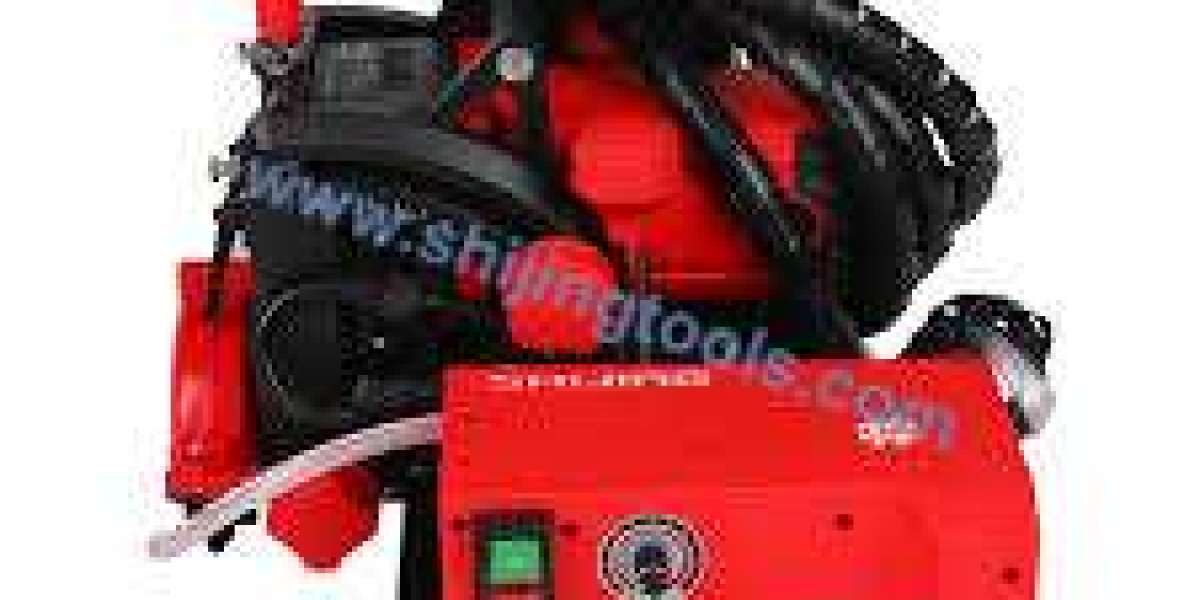

Large format tiles have changed the way many residential, commercial, and architectural spaces are designed, yet their size also creates challenges during cutting, positioning, and installation. A 3200mm Automatic Tile Cutting Machine provides a dedicated approach to handling extended tile dimensions, while SHIJING has developed a range of professional paving tools and electric cutting equipment for tile workers, workshops, and construction applications. Its product information highlights automatic travel, adjustable cutting speed, straight and bevel cutting, stable guide rails, secure positioning, and automatic stopping functions. How can this type of equipment handle large format tiles while keeping the cutting process controlled?
One important consideration is the length of the working system. Large format slabs require a cutting path that corresponds with their physical dimensions, otherwise operators may need repeated repositioning or additional handling during one task. A long guide structure provides a continuous working path, allowing the cutting head to travel across an extended surface in a controlled manner. This arrangement can simplify preparation when a project involves long porcelain panels or other large tile products.
The guide rail plays an important role in movement stability. When a cutting head travels over a long distance, even a small alignment issue can affect the final result. A properly engineered rail system helps maintain the movement path while allowing the cutting assembly to travel smoothly. SHIJING's published specifications for its extended automatic cutter identify a double-guide-rail arrangement, with rails that can be connected or separated for practical handling.
Automatic travel is another feature that can support large slab processing. Manual movement across a long cutting distance requires continuous operator control, while an automatic feed system can maintain a programmed or selected travel speed. SHIJING describes its 3200mm model as having automatic tool travel with adjustable speed, allowing operators to adapt the movement according to the material and cutting requirement.
Cutting speed should correspond with material characteristics. Porcelain slabs, ceramic tiles, stone products, and other dense surfaces can respond differently to blade pressure and travel speed. A suitable machine therefore needs enough control to accommodate the material being processed. Adjustable travel speed allows operators to establish a working rhythm that suits the cutting task rather than relying on a single fixed movement pattern.
Large tiles also require stable support. When a long slab extends beyond the central working area, unsupported sections can move or vibrate during processing. Additional support structures can help keep the material positioned correctly while the blade travels through the surface. SHIJING's automatic cutting equipment includes support and positioning elements intended to help stabilize tiles during cutting. Its product information also notes the use of suction cups with ratchet F-clamps to improve tile stability and cutting precision.
The cutting head itself needs to remain aligned with the intended path. For professional tile work, straight cuts may be combined with bevels, grooves, rounded edges, or other fabrication requirements. SHIJING's 3200mm automatic model is designed for straight cutting and chamfering, while its independently developed fine adjustment lifting technology supports chamfering and grooving applications. This versatility allows one working platform to accommodate different preparation requirements.
Blade selection is closely connected with the final cutting result. A blade should match the material, thickness, cutting method, and machine configuration. The published specifications for the SHIJING 3200mm model identify a 130mm saw blade and a cutting depth range of up to 25mm. Such specifications give buyers a reference when determining whether the equipment corresponds with the tiles used in a particular project.
Large format processing also places greater importance on operator positioning. A worker needs a clear view of the cutting route while maintaining safe distance from moving components. Automatic travel can reduce the need for continuous physical movement alongside the cutting head, allowing attention to remain on preparation, alignment, material support, and overall operation.
Safety features become especially significant when equipment is used with long and heavy slabs. An automatic stop function can prevent the cutting assembly from continuing after reaching the end of its travel path. SHIJING lists automatic stopping at the machine end as one of the safety-related features of its 3200mm model. This function can help create a more controlled operating sequence.
Transport is another practical consideration. Large-format cutting equipment is often used in workshops as well as active construction locations, so mobility and storage can affect daily workflow. SHIJING's 3200mm model uses wheels on the end plate to facilitate movement, while its guide rails can be connected or separated according to handling needs. These details are relevant when equipment needs to move between working areas.
Water management may also matter when wet cutting is involved. Water can help control dust and cool the cutting area, but wastewater needs to be managed carefully. Across SHIJING's electric cutting machine range, integrated water trays and pump systems are used on certain models to support cooling and wastewater collection. Buyers should therefore examine the specific water management arrangement of the model they intend to use.
Large format cutting is not simply about increasing machine length. The entire system needs to work as a coordinated unit. The rail, support structure, blade, motor, positioning system, cutting head, clamps, and operator controls all contribute to the final result. A long cutting path without adequate support or alignment would not provide the same practical value as a complete system designed around large tile handling.
Material thickness should also be considered before purchasing. Different tiles may require different cutting depths, and the selected blade must correspond with the intended application. Buyers can compare the machine's cutting capacity with the thickness range commonly used in their projects, while also considering the hardness and surface characteristics of the material.
Repeatability is another useful factor for professional workshops. When several slabs require matching dimensions, consistent movement and positioning can help reduce variation between pieces. Automatic travel combined with stable guidance provides a controlled process that can be repeated according to established operating procedures.
Maintenance should receive attention as well. Long guide rails need to remain clean and properly aligned, while moving parts, clamps, blade components, and water systems require routine inspection. Dust, slurry, adhesive residue, and debris can affect movement or positioning if allowed to accumulate. Regular cleaning and inspection can therefore support stable equipment operation and help identify wear before it interferes with production.
Operator training remains valuable even when a machine includes automatic functions. Automatic travel does not remove the need for correct material placement, blade selection, speed adjustment, safety checks, and machine maintenance. Workers should understand the relationship between tile characteristics and machine settings before beginning production.
The broader SHIJING product range also shows how large tile processing can be supported by complementary tools. The company offers electric cutters, manual cutters, vacuum suction cups, tile lifting equipment, leveling tools, laser levels, and other paving products. Its website describes the company as a professional inlay tool manufacturer and identifies product development, mason training, and an online platform as parts of its business approach.
For contractors, tile workshops, distributors, and professional installers, equipment selection should begin with the actual application. Tile dimensions, material type, thickness, cutting method, working environment, transportation requirements, and expected workload can all influence the suitable configuration. A machine should be evaluated according to these practical conditions instead of relying on a single specification.
For additional information about large-format handling and installation, the SHIJING website provides related guidance through https://www.shijingtools.com/, while its cutting equipment portfolio covers automatic and electric solutions for professional tile work. A 3200mm Automatic Tile Cutting Machine can support large format tile processing through an extended cutting path, controlled automatic travel, stable guidance, secure positioning, suitable blade capacity, adjustable speed, and safety-oriented operation, while SHIJING provides a broader range of tools for cutting, transporting, measuring, and installing large tile products.