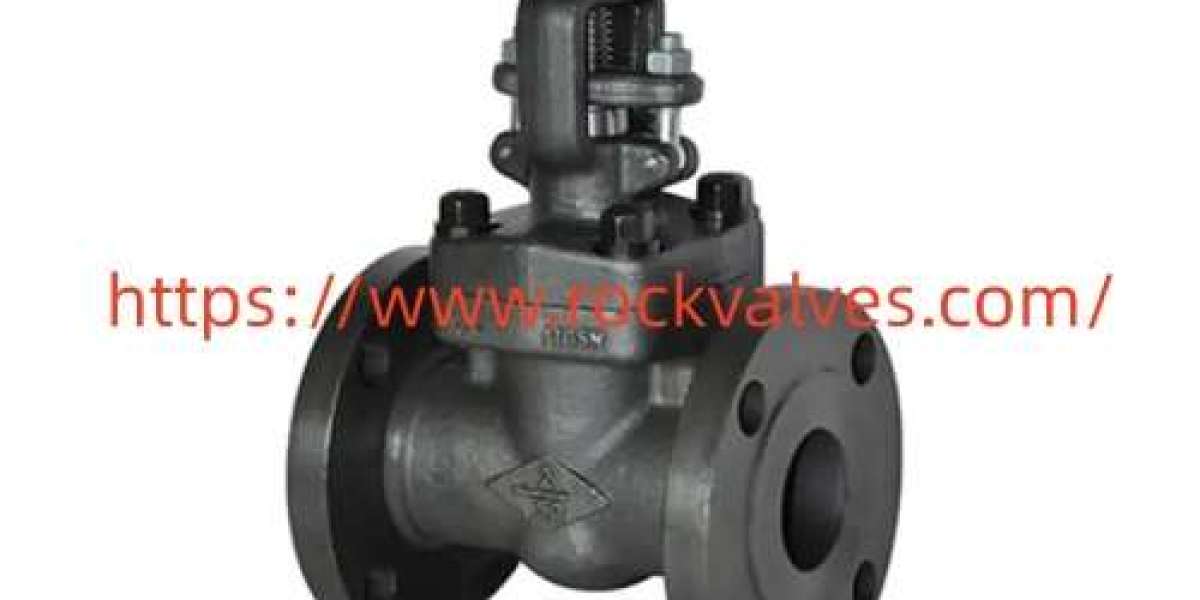

DIN Standard Cast Steel Valves can fit different industrial applications when their design, material, connection method, pressure rating, and operating conditions are matched carefully with the requirements of each system. DIN EN 1983 covers industrial steel ball valves with flanged, threaded, socket welding, and butt welding ends, making configuration selection an important part of project planning.
Industrial facilities rarely operate under identical conditions. A valve installed on a water circulation line may face very different requirements from one used in chemical processing, energy equipment, or a gas handling system. Before purchasing, engineers should consider the medium, temperature, pressure, flow characteristics, installation position, and expected operating frequency. These details help determine whether a particular configuration is suitable for the intended service.
Connection type is one of the practical factors that deserves attention. Flanged connections can be convenient for systems where equipment may need to be removed or inspected. Threaded connections can suit certain smaller installations where space and installation methods allow them. Socket welding and butt welding connections can be considered when a welded connection is appropriate for the piping arrangement. EN 1983 specifically recognizes these connection forms within its scope.
Pressure selection also needs careful attention. The applicable standard covers a range of PN and Class ratings, including PN 6 through PN 100 and several Class ratings. The actual selection should be based on the working pressure, temperature, medium, and applicable project specifications rather than simply choosing a larger rating.
Material selection is another important consideration. Different media can create different demands on the body, ball, stem, and sealing components. Water service, hydrocarbons, corrosive chemicals, steam, and other industrial media may require different material combinations. Temperature can also influence seat and seal selection. A practical purchasing process should therefore review the complete material specification instead of focusing only on the body material.
Operating conditions can also influence the preferred configuration. Some installations require frequent opening and closing, while others remain in a fixed position for extended periods. Accessibility should be considered as well. If the equipment is installed in a confined area, the operator may need a configuration that allows convenient access for manual operation or actuator installation.
Maintenance planning is equally relevant. Industrial equipment is expected to remain accessible for inspection, servicing, and replacement when necessary. Buyers can ask manufacturers about inspection procedures, replacement components, sealing arrangements, documentation, and testing requirements before confirming an order. This can make future maintenance planning easier and reduce uncertainty during project execution.
For manufacturers, consistency in production and inspection is an important part of supplying industrial components. Rockvalves focuses on valve manufacturing and can work with customers around application requirements, dimensional specifications, connection arrangements, and project needs. A clear technical discussion before production helps both sides confirm details that may affect installation and operation.
Another point worth checking is documentation. Depending on the project, purchasers may require dimensional drawings, material information, pressure and temperature data, inspection records, test documentation, or other technical files. Confirming documentation requirements at the quotation stage can help prevent delays later in the purchasing process.
The right selection process starts with the system rather than the product name. By reviewing the medium, pressure, temperature, connection type, material compatibility, installation environment, and maintenance requirements, engineers can narrow the available configurations more efficiently. This approach is useful for both standard procurement and customized industrial projects.
For companies evaluating suitable flow control equipment for upcoming projects, the Rockvalves website provides a convenient place to review product information and discuss application requirements: https://www.rockvalves.com/