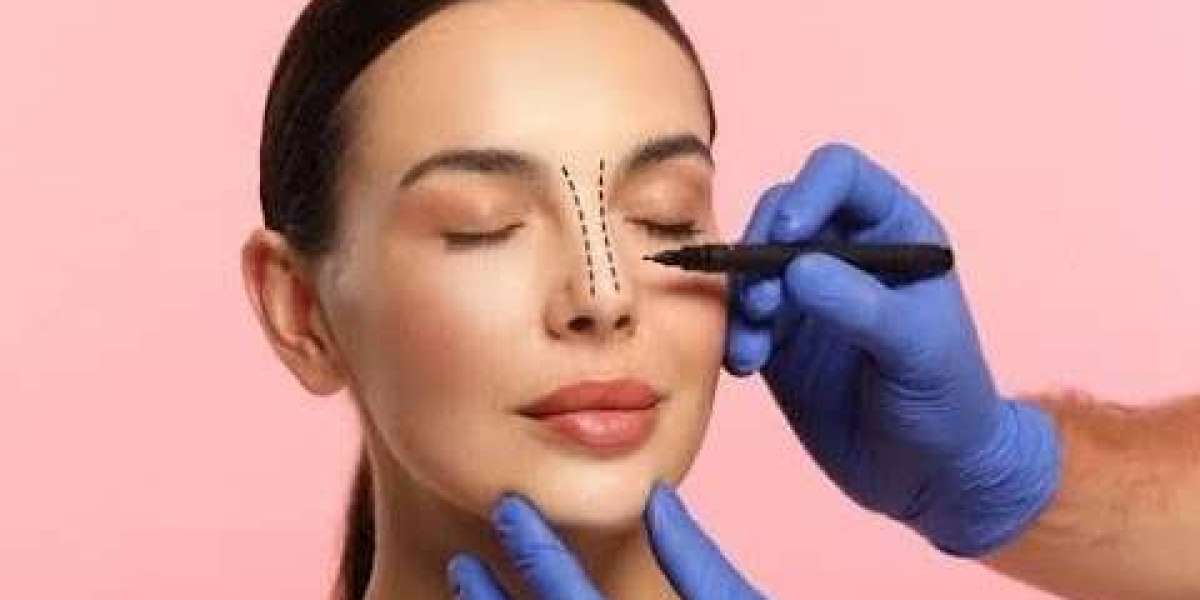

The nose plays an important role in overall facial appearance because of its central position. Its shape, size, projection, and proportions can influence how different facial features appear together. Rhinoplasty Surgery in Dubai is a procedure designed to reshape or refine the nose according to individual structural and aesthetic requirements.
Nose reshaping is not based on creating one standard nasal shape. Every face has different proportions, and every nose has its own combination of bone, cartilage, skin, and soft tissue. For this reason, rhinoplasty involves careful consideration of the existing nasal structure and the type of change that may create a balanced result.
Some individuals consider nasal refinement because they want to adjust the bridge, define the tip, improve symmetry, or change the relationship between the nose and other facial features. Others may have concerns related to the internal structure of the nose and airflow. The approach can therefore vary significantly from one individual to another.
How Nose Reshaping Works
Rhinoplasty involves modifying selected structures of the nose. Depending on the treatment goals, adjustments may involve cartilage, bone, soft tissue, or internal nasal components.
The procedure is designed around the existing anatomy rather than treating every nose in the same way. A person with a prominent bridge may require a different approach from someone who wants additional tip definition or improved nasal proportion.
The amount of reshaping can also vary. Some procedures focus on subtle refinement, while others involve more extensive structural modifications.
Refining the Nasal Bridge
The bridge is one of the most noticeable parts of the nose when viewed from the side. Some people may feel that a prominent or uneven bridge affects the appearance of their facial profile.
Rhinoplasty can address the shape and contour of this area when structural modification is appropriate. The aim is often to create a smoother transition while maintaining proportions that suit the individual's facial characteristics.
Reshaping the Nasal Tip
The nasal tip can influence whether the nose appears broad, rounded, projected, or refined. Tip reshaping may involve adjusting the underlying cartilage to create a more balanced contour.
Because the tip contains delicate structures and is covered by soft tissue, changes in this area require careful planning. The final appearance also develops gradually as the tissues heal and settle.
The Role of Facial Proportions
A major part of Rhinoplasty Surgery in Dubai involves understanding how the nose relates to the rest of the face. The forehead, eyes, cheeks, lips, and chin all contribute to overall facial balance.
A nasal change that looks appropriate on one person may not necessarily create the same result on another. This is why individualized planning is more relevant than following a particular trend or attempting to copy a specific nose shape.
Factors that may be considered include the width of the face, the projection of the chin, the angle between the nose and upper lip, and the overall facial profile. These details can help determine how nasal refinement may affect the appearance of the face as a whole.
Different Approaches to Nasal Reshaping
The surgical approach used during rhinoplasty depends on the type and complexity of the planned modifications.
Open Rhinoplasty
Open rhinoplasty provides access to the underlying nasal structures and may be used when detailed structural reshaping is required. This approach can support precise modifications involving cartilage, bone, or other components of the nasal framework.
It may be considered for more complex nasal changes where greater visibility and access to internal structures are useful.
Closed Rhinoplasty
Closed rhinoplasty involves an approach where incisions are placed inside the nostrils. It may be suitable for selected types of nasal refinement depending on the structural changes being planned.
The choice between approaches is based on individual anatomy and treatment requirements. One method is not automatically better for every person because the most suitable technique depends on the specific goals of the procedure.
Cosmetic and Structural Considerations
Nose reshaping may involve cosmetic concerns, structural concerns, or both. The external appearance of the nose and its internal framework are closely connected.
For example, changes to nasal cartilage may influence both the visible shape and structural support of the nose. In situations where breathing concerns are also relevant, the internal anatomy may be an important part of the overall planning process.
A balanced approach considers how the different parts of the nose work together. This includes maintaining appropriate support while making the intended external refinements.
What Makes Every Nose Different?
The outcome of rhinoplasty is influenced by the starting point. Several individual characteristics can affect the planning process and how the nose changes during healing.
Skin thickness is one important factor. Thinner skin may reveal underlying structural details more clearly, while thicker skin can influence how subtle refinements become visible.
Cartilage strength can also affect the type of structural adjustment that may be required. Previous injuries, natural asymmetry, and earlier nasal procedures can create additional factors that influence the treatment approach.
Because of these differences, Rhinoplasty Surgery in Dubai is best understood as a personalized procedure rather than a standard method with identical steps and outcomes.
Understanding Natural-Looking Results
Natural-looking nose reshaping does not necessarily mean making only minor changes. Instead, it generally refers to creating a result that appears proportionate and works with the individual's overall facial characteristics.
An overly dramatic change may not always create better harmony. In many cases, carefully planned refinements can make a meaningful difference while allowing the nose to remain consistent with the person's natural facial identity.
The desired outcome can differ from one individual to another. Some may prefer a subtle profile adjustment, while others may require more noticeable structural refinement.
The key consideration is whether the new nasal shape maintains balance with the surrounding facial features.
The Importance of Realistic Expectations
Understanding what rhinoplasty can and cannot change is an important part of the decision-making process. The procedure can reshape existing structures, but individual anatomy and healing characteristics influence the final result.
The early appearance after surgery is also not the final outcome. Swelling is a normal part of the healing process, and the nose continues to settle over time.
Small changes can become more noticeable as swelling decreases. Different parts of the nose may also heal at different rates.
Having realistic expectations can help individuals understand that rhinoplasty is a gradual process rather than an immediate transformation.
How the Nose Changes During Recovery
Recovery is an important stage of the overall nose reshaping journey. After structural changes are made, the surrounding tissues need time to adapt.
Initial swelling gradually improves, allowing the new nasal contours to become more visible. However, deeper healing continues beyond the early recovery period.
Early Healing
During the initial stage, the nose may appear different from the expected final result because swelling can temporarily affect its shape and definition.
The surrounding tissues also need time to settle. Rest and appropriate aftercare can help support the recovery process during this stage.
Progressive Refinement
As healing continues, the nasal contours gradually become more defined. The amount of time required can vary depending on the individual, the extent of the reshaping, and the body's natural response to the procedure.
Patience is particularly important because rhinoplasty results develop in stages.
Preparing for the Nose Reshaping Journey
Before considering Rhinoplasty Surgery in Dubai, it is helpful to understand the complete journey from planning to recovery.
Preparation may include considering personal goals, understanding the areas of the nose that may be changed, and learning about the recovery process. It is also important to allow enough time for healing and avoid expecting the final appearance immediately.
A well-informed approach can make the overall experience easier to understand. Knowing that swelling, gradual changes, and individual healing patterns are part of the process can help create more realistic expectations.
Looking Beyond a Single Feature
Although rhinoplasty focuses on the nose, its visual impact extends to the entire face. A change in nasal projection may influence the appearance of the profile, while tip refinement can affect how the central part of the face appears.
This is why successful nose reshaping is often based on proportion rather than simply making the nose smaller or changing it to match a particular style.
The objective is to create a nasal shape that works naturally with the individual's existing facial features and personal preferences.
Final Thoughts
Rhinoplasty Surgery in Dubai offers a personalized approach to nasal refinement by considering individual anatomy, facial proportions, structural requirements, and desired changes. Understanding how nose reshaping works, what influences the healing process, and why every treatment plan is different can help individuals approach the procedure with realistic expectations. Whether the focus is bridge refinement, tip definition, improved symmetry, or overall nasal balance, thoughtful planning plays an essential role in the journey. TAJMEELS CLINIC provides a place to explore advanced aesthetic options and gain a better understanding of the rhinoplasty process.