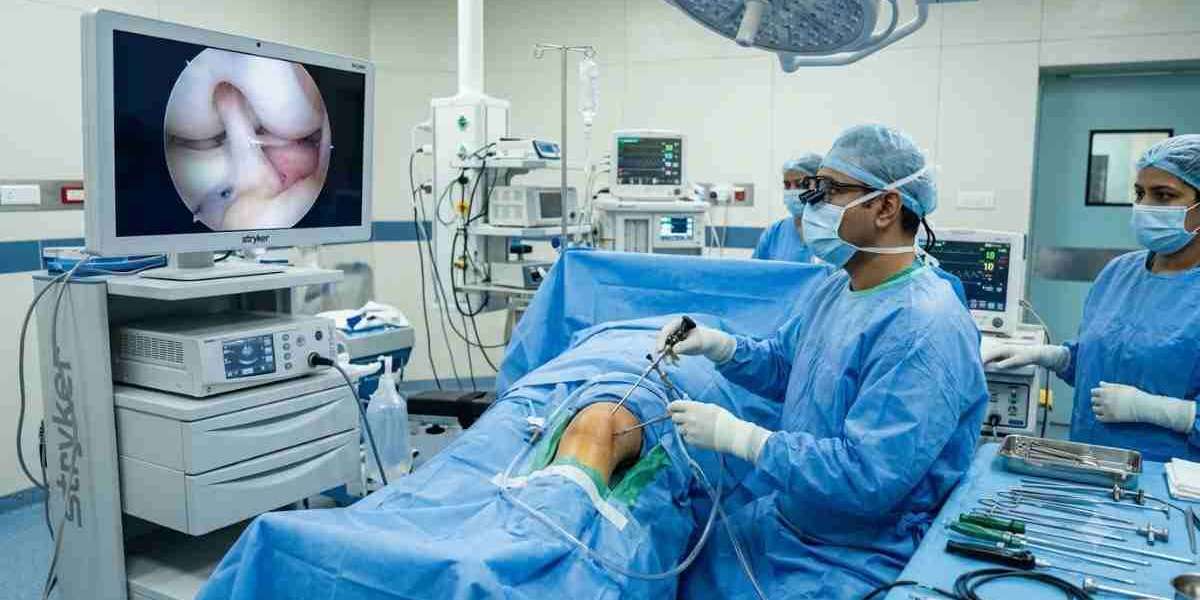

Joint pain, stiffness, swelling, and restricted movement can make everyday activities increasingly difficult. Whether the problem is caused by a sports injury, cartilage damage, ligament problems, or another joint condition, timely orthopedic evaluation can help identify the right treatment approach. Arthroscopy is one of the modern techniques used by orthopedic surgeons to examine and treat certain joint problems through small incisions.
For patients exploring Arthroscopy Surgery in Jaipur, understanding the procedure, its potential benefits, and the importance of choosing experienced orthopedic care can make the treatment journey more informed and comfortable.
What Is Arthroscopy?
Arthroscopy is a minimally invasive orthopedic procedure in which a surgeon uses a small camera, called an arthroscope, to view the inside of a joint. The camera is inserted through a small incision, allowing the surgeon to examine structures such as cartilage, ligaments, and other tissues.
Depending on the condition, arthroscopy may be used for both diagnosis and treatment. Specialized instruments can be introduced through additional small incisions when necessary to address specific joint problems.
The technique is commonly associated with joints such as the knee and shoulder, although arthroscopic procedures can be performed on other joints as well. The suitability of arthroscopy depends on the patient's condition, medical history, imaging results, and overall joint health.
When Might Arthroscopy Be Considered?
Persistent joint symptoms should not always be ignored, particularly when they interfere with routine activities. An orthopedic consultation can help determine whether conservative treatment or a surgical procedure may be appropriate.
Arthroscopy may be considered in selected cases involving conditions such as certain ligament injuries, meniscus problems, cartilage damage, loose bodies within a joint, or other structural abnormalities. However, not every joint problem requires surgery.
A qualified orthopedic surgeon generally evaluates symptoms, performs a physical examination, reviews imaging such as X-rays or MRI scans when required, and considers previous treatments before recommending a procedure.
Why Minimally Invasive Techniques Matter
One of the important characteristics of arthroscopy is the use of relatively small incisions compared with many traditional open procedures. Smaller access points can reduce disruption to surrounding tissues in appropriate cases.
Patients may experience less postoperative discomfort and smaller scars, although recovery varies depending on the procedure performed and the individual's health. The specific recovery period also depends on which joint is treated and whether additional repair or reconstruction is performed.
It is important to remember that minimally invasive does not mean that recovery requires no effort. Rest, prescribed medication, rehabilitation, and physiotherapy can all be important parts of postoperative care.
Importance of an Experienced Orthopedic Team
The technology used during arthroscopy is only one part of successful orthopedic care. Proper diagnosis, surgical planning, technical expertise, and postoperative rehabilitation all contribute to the overall treatment process.
Patients considering arthroscopic treatment should look for an orthopedic team that explains the diagnosis clearly and discusses both surgical and non-surgical options where appropriate. Understanding what will happen before, during, and after the procedure can also help patients prepare for recovery.
Robotics By Dr Khatri is led by Dr. S. S. Khatri, an orthopedic and joint replacement surgeon who also specializes in arthroscopy and complex trauma care. The practice emphasizes personalized treatment planning and patient-focused orthopedic care.
For individuals researching [Arthroscopy Surgery in Jaipur], learning about the available treatment options and discussing the condition with an experienced orthopedic professional can be an important first step.
Preparing for an Arthroscopy Procedure
Preparation depends on the patient's condition and the planned procedure. Before surgery, the orthopedic team may review medical history, medications, imaging reports, and other relevant health information.
Patients should follow their surgeon's instructions regarding eating, drinking, medications, and activity before the procedure. Arranging transportation and assistance at home may also be useful, particularly if mobility is temporarily limited after surgery.
Patients should also ask questions about expected recovery, physiotherapy, wound care, activity restrictions, and warning signs that require medical attention.
Recovery and Rehabilitation
Recovery following arthroscopy varies significantly from one patient to another. Some procedures involve relatively straightforward rehabilitation, while ligament repairs or other complex treatments may require a longer recovery period.
Physiotherapy can be an important part of rehabilitation because appropriate exercises can help restore movement, strength, balance, and function. Patients should follow the rehabilitation plan provided by their orthopedic team rather than comparing their progress with another person's recovery.
Gradually returning to normal activities is generally preferable to rushing the process. The surgeon and physiotherapist can guide patients regarding walking, exercise, work, sports, and other activities.
Choosing the Right Care for Joint Problems
Joint pain can have many different causes, and the right treatment is not always the same for every patient. Arthroscopy can be a useful option for selected conditions, but the decision should be based on a proper clinical evaluation.
A comprehensive orthopedic approach focuses on identifying the cause of the symptoms, understanding the patient's goals, and selecting treatment that is appropriate for their individual condition.
Robotics By Dr Khatri provides orthopedic care in Jaipur under the guidance of Dr. S. S. Khatri, with services covering arthroscopy, joint replacement, and related orthopedic conditions.
If persistent pain, swelling, locking, or restricted joint movement is affecting daily life, consulting an orthopedic specialist can help clarify the available options. Early evaluation may provide a clearer understanding of the condition and help patients make informed decisions about their joint health.