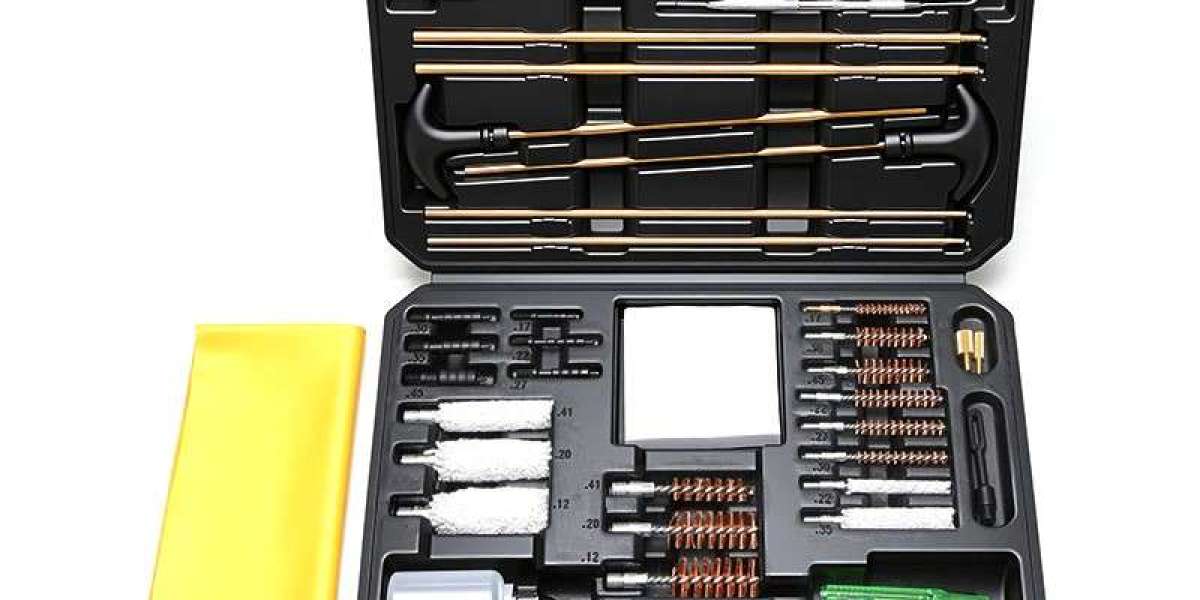

A hunting gun cleaning kit should be selected according to the firearm it will be used with. Different firearm designs have different bore dimensions, chamber configurations, and maintenance requirements. Checking compatibility before purchasing a kit can prevent problems during routine cleaning.
The cleaning rod is one of the central components in a gun cleaning kit. Rods may be available in different lengths, materials, and construction styles. A segmented rod can be convenient for storage, while a one-piece rod may provide a different handling arrangement. Users should select a design compatible with the firearm and follow its maintenance instructions.
Bore brushes are available in different diameters and materials. Nylon brushes can provide a non-metal cleaning option for suitable applications, while other brush materials may be specified for particular maintenance procedures. The brush should fit the firearm's bore specification rather than being selected solely by appearance.
Cleaning patches are generally used after brushing. They can help collect residue and provide a visual indication of the bore condition. Patch holders and jags should match the cleaning rod and firearm dimensions.
A chamber brush can address residue around the chamber area. Because firearm designs differ, the correct chamber accessory should be selected according to the manufacturer's specifications. Users should avoid forcing a brush or cleaning tool into an area where it does not fit properly.
A hunting gun cleaning kit may also include a nylon utility brush for external surfaces. Small brushes can help remove dust and residue from accessible areas around the action, stock, or other components without requiring a large cleaning tool.
Lubrication products are sometimes included in firearm maintenance kits. Gun oil and other maintenance products should only be used according to the firearm manufacturer's instructions. Different finishes and materials may have specific care requirements.
The case is another practical feature. A molded case or fabric pouch with individual compartments can keep brushes, rods, patches, and accessories organized. For users who maintain several firearms, separate labeled kits can help prevent accessory compatibility problems.
Buyers should review the firearm model, bore specification, required brush size, rod length, accessory thread, cleaning method, case configuration, and included maintenance products before purchasing.
Safety procedures should be part of the selection and maintenance process. Firearms must be unloaded before cleaning, ammunition should remain outside the cleaning area, and manufacturer instructions should be followed carefully.
A suitable hunting gun cleaning kit is determined by compatibility rather than the number of accessories alone. Matching each tool with the firearm's maintenance requirements can create a more practical and organized cleaning process.
https://www.guncleaningkitfactory.com/product/gun-cleaning-kits/