
Copper tubes and stainless steel tubes are widely used in HVAC, refrigeration, plumbing and industrial machinery, yet their distinct physical properties require specialized straightening and cutting machines. Choosing targeted equipment is critical to ensure processing accuracy, avoid material damage and guarantee finished product quality.
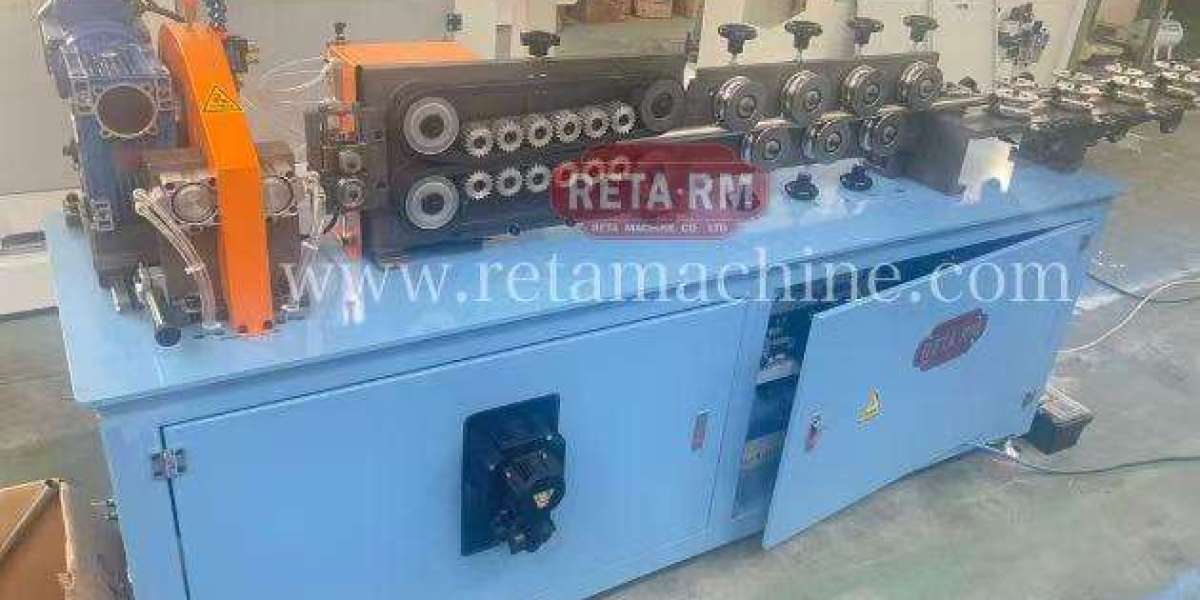
Copper tubes feature high ductility, soft texture and low hardness, making them prone to surface scratches, deformation and indentation under excessive pressure. For this reason, multi-roller soft straightening and chipless cutting machines are the primary choice for copper tube processing. These machines adopt flexible roller groups with low-pressure uniform extrusion to gradually correct tube bends without damaging the smooth copper surface. Equipped with chipless cutting systems, they trim copper tubes into fixed lengths with burr-free and crack-free cuts. This gentle processing mode perfectly fits coiled copper tubes used in air conditioners and refrigeration equipment, maintaining complete tube roundness and internal smoothness.
In contrast, stainless steel tubes have high hardness, strong rigidity and poor ductility, which makes them resistant to deformation but easy to crack under forced straightening. They require high-rigidity precision straightening and laser cutting machines. This type of equipment uses thickened rigid straightening rollers and adjustable high-precision positioning structures to eliminate tube deflection stably without causing structural cracks. Different from copper tube cutters, stainless steel tube machines usually adopt fiber laser cutting technology. It delivers fast cutting speed, smooth incision and no thermal deformation, solving the problems of rough edges and metal burrs common in traditional mechanical cutting.
In industrial production, mixed-type machines can handle both materials with adjusted parameters, but professional dedicated machines always achieve better efficiency and quality. Matching tube materials with suitable straightening and cutting equipment reduces material waste, lowers secondary processing costs, and improves the overall yield of tube product manufacturing.