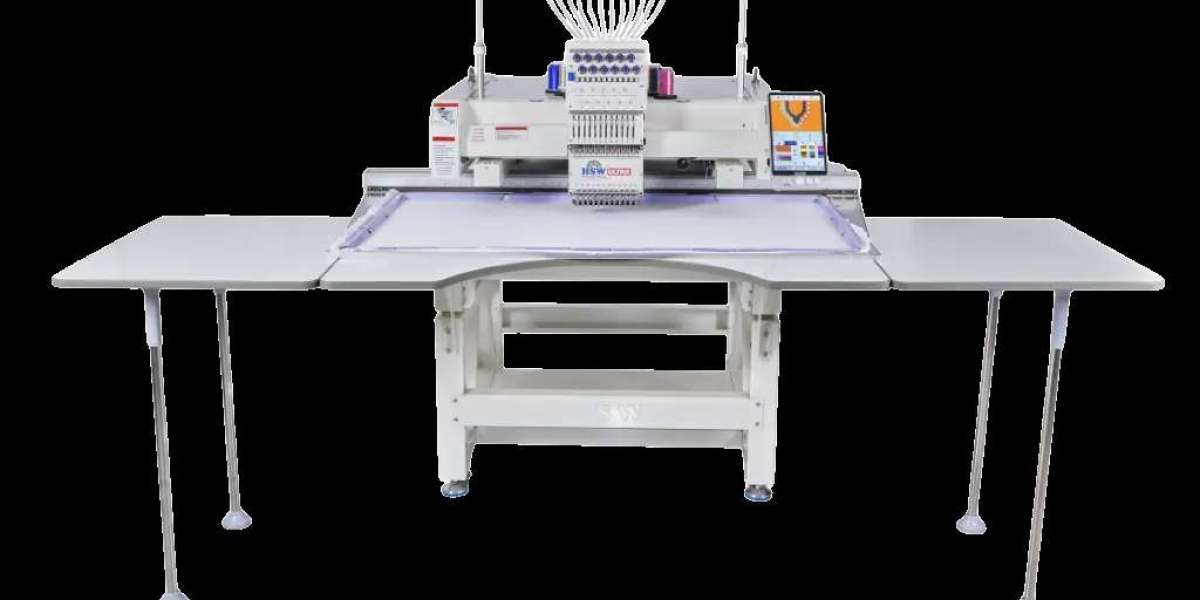

Even the best embroidery machine will occasionally run into issues during production. Knowing how to diagnose and fix common problems quickly can save hours of downtime, protect expensive fabric, and keep customer orders on schedule. Here are the most common problems embroidery business owners face, and practical ways to approach each one.
Frequent thread breakage. Thread breaking repeatedly is one of the most common frustrations. Common causes include incorrect thread tension, a worn or bent needle, poor-quality thread, or an improperly threaded path. Start by rethreading the entire path carefully, replacing the needle, and checking tension settings. If the problem persists with a particular thread brand, switching to a higher-quality thread often resolves it.
Skipped stitches: Skipped stitches, where the needle fails to catch the bobbin thread, are usually caused by a dull or incorrect needle, improper needle installation, or timing issues. Replacing the needle with the correct type and size for your fabric is the first step. If skipped stitches continue, a professional service check of the machine's timing may be needed.
Puckering and fabric distortion: When fabric puckers around the embroidery, the cause is usually inadequate stabilizer, excessive stitch density, or improper hooping that stretches the fabric. Using the right stabilizer for your fabric type, reducing density in the digitized design, and hooping fabric firmly but without stretching it usually resolves this problem.
Bird nesting under the fabric: A tangled mass of thread underneath the fabric, often called bird nesting, typically happens when the upper thread tension is too loose, or the upper thread has slipped out of the tension discs. Rethreading with the presser foot raised, so the thread seats properly in the tension discs, is the standard fix.
Misaligned designs If embroidery elements do not line up properly, such as outlines not matching fills, the cause is often fabric shifting during stitching because of inadequate hooping or stabilizer support. Ensuring the fabric is securely hooped and fully supported prevents this shifting.
Needle breakage: Frequent needle breakage may indicate the wrong needle for the fabric, a bent needle being reused, hitting a hard obstruction in thick fabric, or a design with extremely dense stitching. Matching needle size to fabric weight, replacing needles regularly, and avoiding overly dense designs all help.
Machine running slowly or unevenly: Unusual slowness or uneven running can signal lint buildup, lack of lubrication, or mechanical wear. A thorough cleaning and oiling according to the manufacturer's schedule often resolves minor performance issues.
When to call for professional service: Some problems, such as persistent timing issues, electronic errors, or unusual noises, are beyond routine troubleshooting and should be handled by a qualified technician. This is where after-sales support from your machine's manufacturer or dealer becomes especially valuable.
Prevention is the best troubleshooting. Most of these problems are far easier to prevent than to fix. Regular cleaning, scheduled lubrication, timely needle replacement, quality thread, and correct stabilizer selection prevent the majority of common issues. For anyone running a single head embroidery machine as a core business tool, building these habits into daily routine pays off in fewer interruptions and more consistent output.
Keep a simple troubleshooting log. Maintaining a short written log of problems, what caused them, and how they were fixed turns every breakdown into a learning opportunity. Over a few months, patterns usually emerge: a certain thread brand that breaks often, a fabric that always puckers without a particular stabilizer, or a design density that causes needle trouble. This record helps new operators learn faster and prevents the same mistakes from being repeated. Businesses that blend machine production with hand finishing, such as the detailing associated with an aari embroidery machine approach, benefit especially from this discipline, since consistent base work makes hand finishing far easier.
Train every operator in the basics. Anyone who operates your machine should know how to rethread correctly, change needles, check tension, and clean the bobbin area. Spending an hour teaching these basics saves countless hours of downtime later, and reduces unnecessary service calls for problems that operators can solve in minutes.