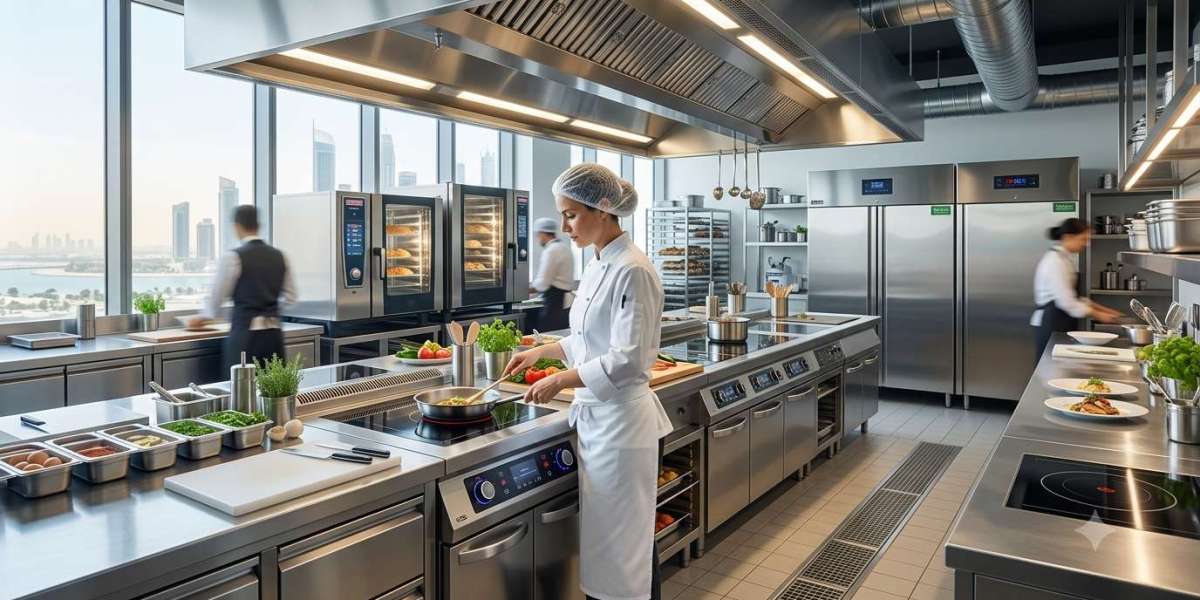

Running a restaurant in Dubai involves more than preparing delicious food and providing excellent customer service. Restaurant owners must also manage electricity bills, water consumption, food waste, equipment maintenance, and daily operating expenses. With commercial kitchens using several appliances throughout the day, these costs can quickly add up.
One practical way to manage expenses is to invest in energy-efficient kitchen equipment. Modern appliances are designed to use energy more effectively while supporting smooth kitchen operations and consistent food quality.
For restaurant owners exploring kitchen equipment Dubai, understanding the benefits of energy-efficient appliances can help them make better purchasing decisions and build a more cost-effective commercial kitchen.
1. Reduce Electricity and Gas Consumption
Commercial kitchens depend on cooking ranges, ovens, refrigerators, freezers, dishwashers, and other appliances. When these machines operate for long hours, their energy consumption can significantly affect monthly expenses.
Energy-efficient equipment is designed to deliver the required performance while reducing unnecessary energy use. For example, efficient commercial ovens can help maintain consistent cooking temperatures, while modern refrigeration systems can reduce electricity consumption when correctly installed and maintained.
Restaurants should compare the energy ratings, power requirements, and expected operating costs of different appliances before purchasing.
Choosing equipment that matches the restaurant's daily workload can also prevent unnecessary energy consumption. A small cafe may not need the same cooking capacity as a large hotel kitchen.
2. Improve Refrigeration Efficiency
Refrigerators and freezers are essential for storing vegetables, dairy products, meat, seafood, and other perishable ingredients. Unlike some cooking appliances, refrigeration systems often operate continuously, making their efficiency particularly important.
Modern commercial refrigeration equipment may offer improved insulation, efficient compressors, and better temperature controls. These features can help maintain suitable storage conditions while managing electricity use.
Restaurant owners should also follow simple practices to improve refrigeration performance:
Keep refrigerator and freezer doors closed when not in use.
Avoid overloading units and blocking internal airflow.
Clean condenser coils according to the manufacturer's instructions.
Check door seals regularly for damage.
Maintain the recommended storage temperatures for different foods.
For businesses comparing kitchen equipment Dubai, selecting appropriately sized and energy-efficient refrigeration units can support food safety and help control operating expenses.
3. Reduce Water Consumption in Commercial Kitchens
Water is another important operating expense for restaurants. Food preparation, dishwashing, cleaning, and general kitchen activities can require considerable amounts of water every day.
Energy-efficient kitchen planning should also consider water-saving equipment. Commercial dishwashers with suitable water-saving cycles can help reduce water consumption while cleaning plates, utensils, and cookware effectively.
Pre-rinse spray valves and well-designed cleaning stations may also help restaurants manage water use.
However, equipment performance depends on correct installation, appropriate loading, and regular maintenance. Staff training is equally important because unnecessary running water and poorly managed washing procedures can increase consumption.
By combining efficient appliances with responsible daily practices, restaurants can reduce waste without compromising cleanliness.
4. Minimise Maintenance and Repair Expenses
Equipment breakdowns can interrupt food preparation, delay customer orders, and create unexpected repair costs. Frequent repairs can also increase the overall cost of operating a commercial kitchen.
Reliable equipment designed for commercial use can help reduce avoidable downtime when properly installed and maintained.
Before buying an appliance, consider its construction quality, warranty coverage, availability of spare parts, and access to technical support. Regular inspections can identify problems before they develop into expensive breakdowns.
For example, checking refrigeration temperatures, cleaning filters, and inspecting cooking equipment can help maintain performance.
Restaurant owners should compare the total cost of ownership rather than choosing equipment based only on its initial purchase price. An appliance with a higher upfront cost may provide better long-term value if it consumes less energy and requires fewer repairs.
5. Control Food Waste and Improve Storage
Food waste affects restaurant profitability because spoiled ingredients represent money that cannot be recovered. Poor storage conditions, incorrect portioning, and inefficient inventory management can increase these losses.
Suitable refrigeration equipment helps maintain appropriate storage conditions for perishable ingredients. Food preparation equipment that supports accurate portioning can also help kitchens use ingredients more consistently.
Restaurants can improve food management by following these practices:
Store ingredients at appropriate temperatures.
Label food containers with preparation or storage dates.
Use older stock before newer deliveries where appropriate.
Monitor stock levels and plan purchasing around demand.
Prepare food according to realistic customer requirements.
These measures help restaurants manage ingredients more effectively and reduce unnecessary purchasing expenses.
6. Choose Equipment That Matches Your Kitchen Size
Buying oversized equipment can increase purchase costs and energy consumption, while undersized appliances may struggle during busy service periods.
Restaurant owners should assess their menu, seating capacity, expected daily orders, available kitchen space, and peak operating hours before selecting equipment.
For example, a bakery may prioritise efficient ovens and mixers, while a busy restaurant may need high-capacity cooking ranges, fryers, and refrigeration systems.
When comparing kitchen equipment Dubai suppliers and product options, ask for information about production capacity, power consumption, installation requirements, and maintenance needs. Choosing equipment that fits your actual workload can improve efficiency without unnecessary spending.
7. Build an Energy-Efficient Kitchen for Long-Term Savings
Energy efficiency works best when suitable equipment is combined with good operating practices. Staff should switch off appliances when appropriate, avoid unnecessary preheating, maintain recommended cooking settings, and report equipment problems promptly.
Restaurants can also track monthly electricity and water bills to identify unusual increases in consumption. Monitoring these expenses helps management understand which improvements are producing useful results.
When planning a new kitchen or upgrading an existing one, prioritise appliances that deliver the right balance of performance, durability, efficiency, and cost.
Al Khaleej Kitchen can be considered when exploring commercial kitchen equipment solutions for restaurants, hotels, and catering businesses. Selecting appropriate equipment and maintaining it properly can help create a kitchen that supports productivity and better cost management.
Conclusion
Energy-efficient kitchen equipment can help Dubai restaurants manage electricity and water consumption, reduce food waste, limit maintenance expenses, and improve daily operations.
The best approach is to evaluate the restaurant's actual requirements, compare long-term operating costs, and select reliable appliances with suitable capacity. Combined with regular maintenance and responsible staff practices, these decisions can support meaningful savings over time.
For restaurant owners planning a new kitchen or upgrading existing appliances, investing in energy efficiency is a practical step towards building a more sustainable and financially efficient business.





