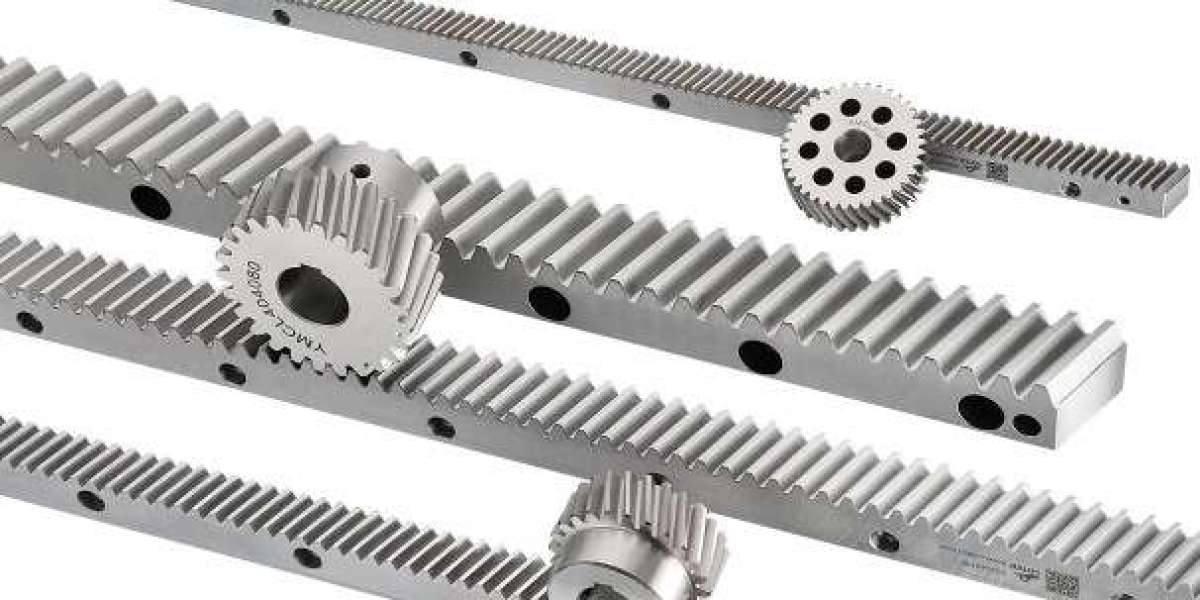

Introduction to Wear Resistance in Gear Racks
Spur Gear Rack systems are widely used in linear motion applications where durability and long-term performance are essential. One of the most critical factors affecting service life is wear resistance, which largely depends on the material used in manufacturing. Different materials respond differently to friction, load, lubrication, and environmental conditions. Understanding how wear resistance varies among common gear rack materials helps engineers and buyers select the most suitable option for their specific application.
Carbon Steel Gear Racks
Carbon steel is one of the most commonly used materials due to its balance of strength, cost, and machinability. In its untreated form, carbon steel offers moderate wear resistance, making it suitable for light to medium-duty applications. When combined with heat treatment processes such as quenching or induction hardening, its surface hardness increases significantly. This hardened surface improves resistance to abrasion while maintaining a tough core that absorbs impact loads. As a result, carbon steel gear racks are widely used in industrial machinery where durability and affordability must coexist.
Alloy Steel Gear Racks
Alloy steel racks provide enhanced wear resistance compared to standard carbon steel. The addition of elements such as chromium, molybdenum, or nickel improves hardness, fatigue resistance, and overall strength. These properties make alloy steel particularly suitable for high-load and high-speed applications. When properly heat-treated, alloy steel gear racks exhibit excellent resistance to surface wear and deformation, ensuring stable performance over extended operating periods. This material is often chosen for precision equipment where reliability and long service life are critical.
Stainless Steel Gear Racks
Stainless steel offers a different approach to wear resistance by combining moderate hardness with superior corrosion resistance. While stainless steel may not always match hardened alloy steel in pure abrasion resistance, it performs exceptionally well in environments where moisture, chemicals, or humidity are present. Reduced corrosion prevents surface degradation, which indirectly improves wear performance over time. For applications in food processing, medical equipment, or outdoor environments, stainless steel provides a reliable balance between cleanliness, durability, and longevity.
Plastic and Composite Gear Racks
Plastic and composite materials are sometimes used in low-load or noise-sensitive applications. These materials exhibit lower wear resistance compared to metal options but offer advantages such as reduced friction, lighter weight, and quieter operation. Engineering plastics can perform well when properly matched with compatible pinions and lubricants. However, they are more susceptible to deformation and wear under high loads, limiting their use to specialized or light-duty systems.
Influence of Surface Treatments and Lubrication
Material selection alone does not determine wear resistance. Surface treatments such as nitriding, carburizing, or coating can dramatically enhance durability. Proper lubrication also plays a vital role by reducing friction and heat generation during operation. Even the most wear-resistant material can degrade quickly without adequate lubrication, while a well-lubricated system can significantly extend service life regardless of material choice.
Application-Specific Material Selection
Comparing wear resistance across materials must always be done in the context of the intended application. Load magnitude, operating speed, duty cycle, and environmental exposure all influence material performance. A high-hardness alloy steel may be ideal for heavy industrial machinery, while stainless steel or engineered plastic may outperform alternatives in corrosive or hygiene-sensitive environments.
The wear resistance of a Spur Gear Rack varies significantly depending on material choice, heat treatment, and operating conditions. Carbon steel offers versatility and cost efficiency, alloy steel delivers superior wear performance under demanding loads, stainless steel excels in corrosive environments, and plastics provide solutions for lightweight applications. By carefully evaluating material properties alongside application requirements, users can achieve optimal durability, efficiency, and long-term reliability in gear rack systems.