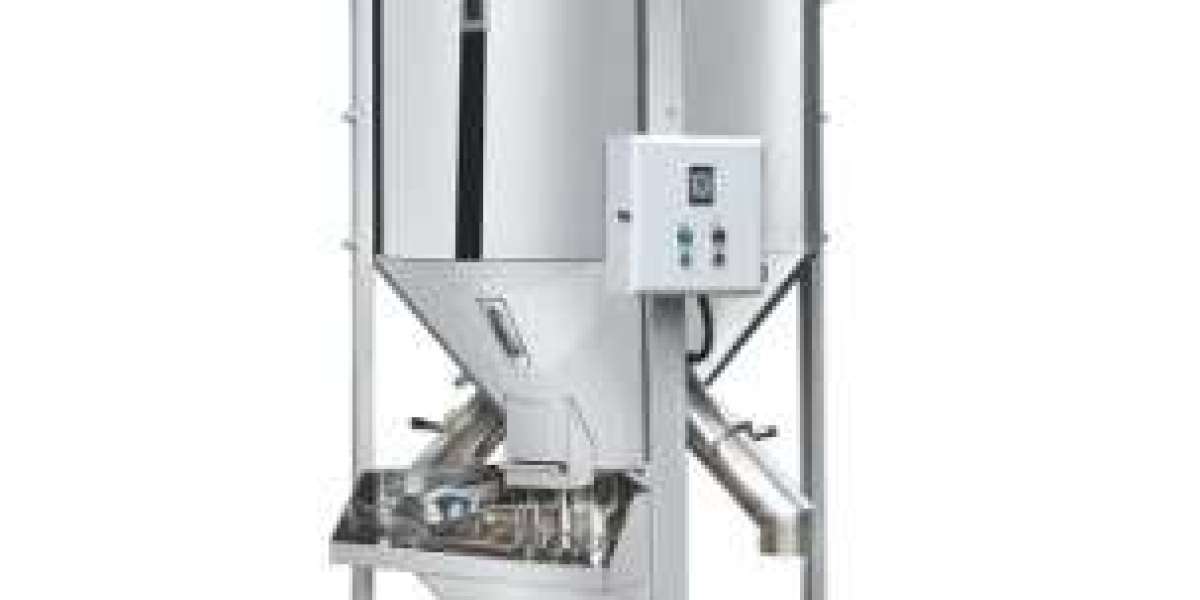

Introduction to Color Quality Assessment
Color quality is a critical parameter in industries such as plastics, paints, textiles, and food production. Consistent and uniform color ensures product reliability, aesthetic appeal, and brand reputation. A Vertical Color Mixer is designed to blend pigments and additives effectively, but evaluating its mixing quality requires more than just visual inspection. Understanding the factors that influence uniformity and employing systematic testing methods are essential for maintaining high-quality production.
Visual Inspection of the Mixed Material
The first and most intuitive step in judging the mixing quality of a Vertical Color Mixer is visual inspection. Operators should examine the color for uniformity, looking for streaks, spots, or variations that indicate incomplete blending. Lighting conditions and sample size play a role in accuracy, so it is important to inspect multiple samples under consistent lighting. While visual assessment provides an immediate indication, it is subjective and should be complemented by more quantitative methods to ensure reliability.
Sampling and Laboratory Analysis
To accurately determine mixing quality, laboratory testing is often necessary. Samples taken from different locations within the batch can be analyzed for color consistency using instruments such as spectrophotometers or colorimeters. These devices measure color values precisely and allow for comparison against defined standards. Variations detected through these tests indicate whether the Vertical Color Mixer achieves uniform distribution of pigments. Regular sampling and analysis help identify areas for process improvement and maintain consistent production quality.
Impact of Material Properties
The characteristics of the materials being mixed can affect the assessment of mixing quality. Factors such as particle size, density, moisture content, and pigment concentration influence how evenly the components blend. Inconsistent raw materials may result in localized color variations, even with an optimally operating mixer. Understanding these material properties allows operators to adjust mixer settings, including rotation speed, mixing duration, and feed rates, to achieve more uniform results.
Machine Calibration and Settings
Proper calibration of the Vertical Color Mixer is essential for achieving consistent color quality. Ensuring that the feed system delivers accurate proportions, the mixing blades are aligned correctly, and the rotational speed is appropriate all contribute to uniform blending. Periodic calibration checks prevent deviations in output quality, while maintaining the equipment reduces the likelihood of mechanical inconsistencies that could affect color distribution.
Monitoring and Feedback Systems
Modern Vertical Color Mixers may include monitoring and feedback systems to continuously evaluate mixing performance. Sensors can detect variations in flow rates or torque, providing real-time data that helps maintain uniformity. These systems minimize human error and enable adjustments during the mixing process, enhancing the reliability of the final product. By integrating monitoring technology, manufacturers can ensure consistent color quality across multiple batches.
Judging the mixing quality of a Vertical Color Mixer requires a combination of visual inspection, laboratory analysis, consideration of material properties, proper machine calibration, and monitoring systems. Visual checks provide immediate feedback, while quantitative testing ensures accuracy and repeatability. Understanding how raw materials interact and maintaining the mixer in optimal condition are essential steps for achieving uniform and high-quality color. By employing these methods, manufacturers can consistently produce products that meet the desired color standards and maintain a strong reputation in the market.
The blending screw is vertically mounted for fast and even mixing.
Suitable for all kinds of plastic materials and color masterbatches.
Barrel and mixing screws are made of stainless steel, both of which are rust-free and easy to clean.
Equipped with power protection device to ensure operator's safety and no damage to machine.
The drying model is optional.