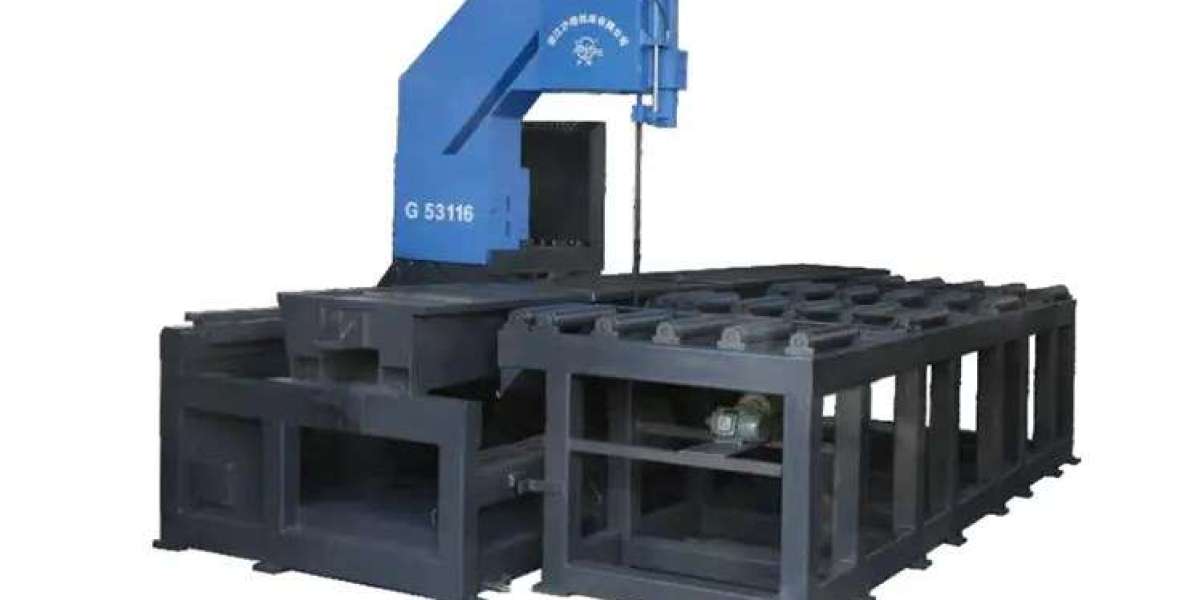

Introduction to Angle Cut Band Saw Stability
An Angle Cut Band Saw is a versatile machine widely used for precise angled cuts in metalworking, woodworking, and industrial applications. Unlike standard vertical or horizontal band saws, the angled cutting mechanism introduces additional challenges in maintaining stability. Even minor vibrations or misalignments can compromise cut accuracy, damage the blade, or affect material quality. Understanding the factors that influence stability and the techniques to control them is crucial for operators seeking consistent and safe cutting performance.
Structural Rigidity and Machine Design
The stability of an Angle Cut Band Saw begins with its structural design. High-quality machines feature rigid frames, reinforced columns, and heavy-duty bases that minimize vibrations during cutting. A solid frame absorbs kinetic energy from the blade and reduces movement, ensuring that the saw remains stable even when cutting thick or dense materials. Properly aligned components, including the blade guides and the saw arm, are essential to prevent deflection and maintain consistent cutting angles. The precision of these structural elements directly affects the machine’s ability to produce clean, accurate cuts.
Blade Tension and Quality
Blade tension plays a critical role in maintaining cutting stability. Insufficient tension can cause the blade to wander or vibrate, resulting in uneven cuts and potential material damage. Over-tensioning, on the other hand, can increase wear on the blade and bearings. High-quality blades designed specifically for angle cutting help reduce deflection and improve control. Regular inspection and replacement of worn blades also ensure that the saw operates smoothly, maintaining stable cutting conditions throughout extended production runs.
Material Clamping and Support
Proper material clamping is essential for stability in angled cutting operations. Workpieces must be securely held in place using adjustable vises, clamps, or hydraulic systems to prevent movement during the cutting cycle. Additional supports, such as roller stands or side brackets, help maintain the correct alignment of longer or heavier workpieces. By minimizing the movement of the material, the operator can reduce stress on the blade and ensure that the cut follows the intended angle with precision.
Controlled Feed and Cutting Speed
The feed rate and cutting speed directly influence the stability of the Angle Cut Band Saw. Feeding the material too quickly can cause the blade to bend or jump, while a slow feed may increase heat buildup and reduce cutting efficiency. Operators should adjust the feed rate according to the material type, thickness, and blade specifications. Many modern angle cut saws feature hydraulic or motorized feed controls that provide consistent pressure, allowing for smoother, more stable cutting without excessive manual intervention.
Maintenance and Alignment
Regular maintenance is critical for sustaining stability. Components such as bearings, guide rollers, and the saw arm pivot points must be inspected and lubricated regularly. Misaligned guides or worn parts can introduce vibrations and reduce cut accuracy. Calibration of the machine to ensure the correct cutting angle and alignment of all moving parts is also essential. A well-maintained Angle Cut Band Saw provides both stable performance and prolonged blade life, improving overall production quality.
Maintaining stability during angled cutting with an Angle Cut Band Saw involves a combination of machine rigidity, proper blade tension, secure material clamping, controlled feed, and regular maintenance. Each factor plays a crucial role in minimizing vibration, preventing blade deflection, and ensuring precise, high-quality cuts. By understanding and applying these stability techniques, operators can maximize the efficiency, accuracy, and safety of angled cutting operations, making the machine an invaluable tool in both industrial and workshop environments.
Cutting Capacity(mm): Round Φ800 Plate 800x1000
Blade speed(m/min): 15~60
Blade Size(mm): 1.6*80*8700
Motor main output(kw): 11
Hydraulic(kw): 2.2
Coolant pump(kw): 0.125
Machine Size(LxWxH)(mm): 4200*1800*2400