
Introduction: What Is a Home Energy Storage System?
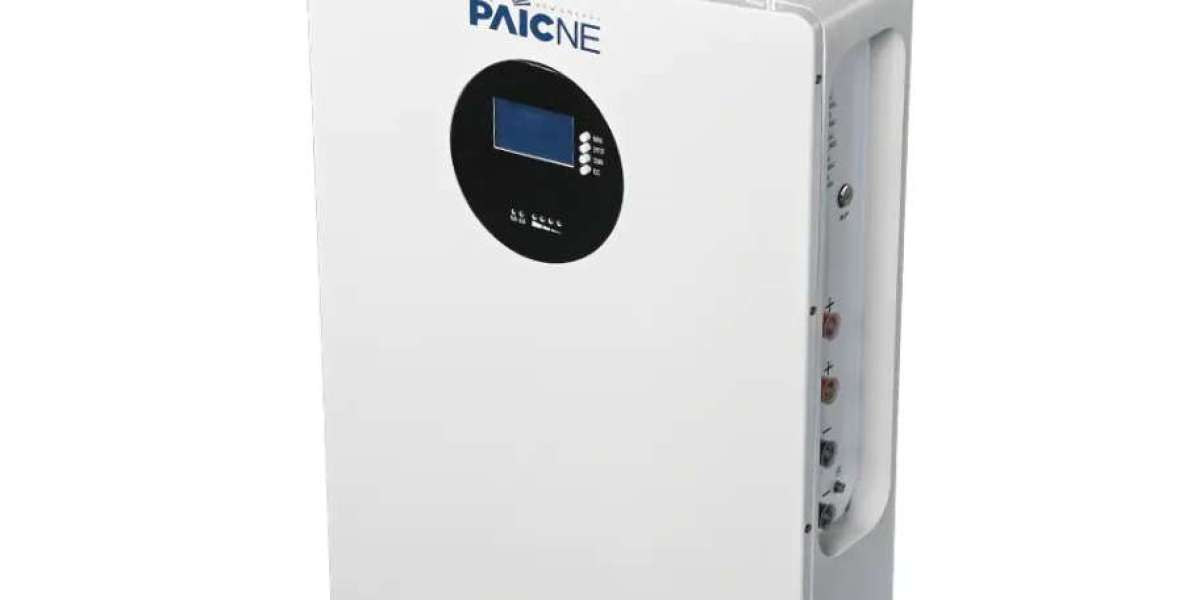
A Home Energy Storage System (HESS) is designed to store excess energy produced by renewable sources such as solar panels or wind turbines. It allows homeowners to store energy during periods of low demand or when renewable generation is high, and then use that stored energy during peak demand times or when generation is low. This system helps maximize the efficiency of energy usage by reducing reliance on the grid and allowing homeowners to make the most of the energy they generate.
Reducing Energy Wastage
One of the primary ways a Home Energy Storage System improves energy efficiency is by minimizing energy wastage. Without a storage system, any excess energy produced by solar panels or other renewable sources is typically sent back to the grid, often at a low rate. However, when energy is stored in a home energy system, it can be used when needed, reducing the need for electricity from the grid. This not only saves money by reducing electricity bills but also reduces overall energy consumption, contributing to better efficiency.
For example, if a homeowner generates excess solar power during the day, a Home Energy Storage System can store this energy and release it during the evening when the solar panels are not producing power. This prevents the need to purchase electricity from the grid at higher rates during peak hours, improving energy usage efficiency and saving costs.
Optimizing Energy Usage for Peak Hours
Another significant benefit of a Home Energy Storage System is its ability to optimize energy usage during peak demand periods. Many utility companies charge higher rates for electricity during peak hours, which usually occur in the evening or early morning. A storage system allows homeowners to use stored energy during these times, thereby avoiding peak charges and reducing overall electricity costs.
By storing energy when rates are low—typically during the day when solar production is at its highest—homeowners can use the stored energy during peak hours, effectively "shifting" their energy use. This not only improves energy efficiency but also helps reduce grid congestion, leading to a more balanced and sustainable energy distribution.
Enhancing the Performance of Renewable Energy Sources
A Home Energy Storage System also enhances the performance of renewable energy sources by ensuring that the energy produced is used more efficiently. Without storage, excess energy from renewable sources can go unused or be sold back to the grid at a low rate. With a storage system in place, homeowners can ensure that every bit of renewable energy produced is put to use, reducing the need for grid-supplied electricity and making the home’s energy use more sustainable.
In addition, combining storage with renewable energy systems like solar panels can provide energy security during power outages. If the grid goes down, a Home Energy Storage System can provide backup power, ensuring that critical appliances and lights continue to operate, while also reducing dependency on fossil-fuel-based backup generators.
The Efficiency Gains of Home Energy Storage
A Home Energy Storage System offers significant benefits in terms of energy efficiency. By storing excess energy, optimizing energy usage during peak hours, and reducing reliance on the grid, homeowners can maximize their energy efficiency while saving money on electricity bills. As renewable energy becomes more widespread, energy storage systems will continue to play a key role in achieving greater sustainability, efficiency, and cost savings. With advancements in technology and decreasing costs, integrating an energy storage system into a home’s energy setup is becoming an increasingly practical solution for homeowners looking to improve their energy efficiency.