
How Invisible Aligners Are Quietly Transforming Orthodontics
Orthodontic treatment has changed significantly over the past decade. Traditional metal braces are no longer the only option for correcting crooked teeth or bite issues. Today, invisible aligners are becoming the preferred choice for many patients. They offer a discreet, comfortable, and effective way to straighten teeth without disrupting daily life.
Invisible aligners are quietly transforming orthodontics by making treatment more accessible, flexible, and patient-friendly. This shift is redefining how people think about dental alignment and long-term oral health.
What Are Invisible Aligners?
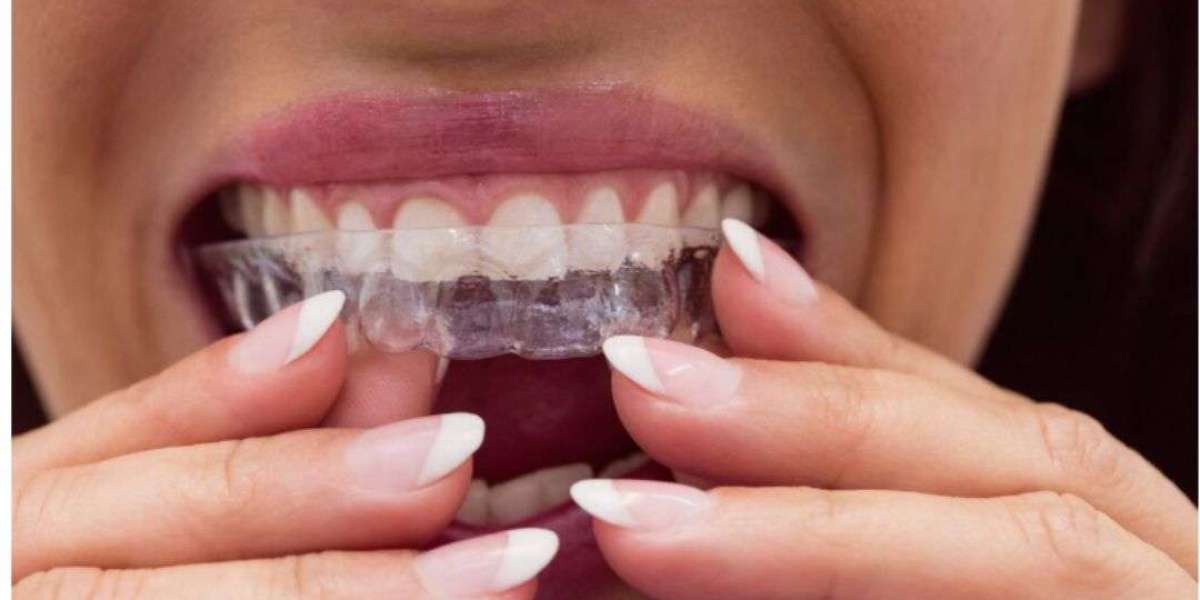
Invisible aligners are clear, removable trays made from medical-grade plastic. They are custom-designed to fit snugly over your teeth. Each set of aligners gently moves teeth into better alignment over time.
Unlike traditional braces, aligners do not use metal brackets or wires. Patients typically change to a new set every one to two weeks, depending on the treatment plan.
Why Patients Are Choosing Invisible Aligners
The growing popularity of invisible aligners is not accidental. Several practical benefits make them appealing to both adults and teenagers.
Discreet appearance
Aligners are nearly invisible when worn. This allows patients to smile, speak, and work confidently throughout treatment.
Improved comfort
Smooth plastic trays reduce irritation to gums and cheeks. There are no sharp wires or brackets.
Removable design
Aligners can be removed while eating, brushing, and flossing. This makes daily routines easier to maintain.
Better oral hygiene
Since aligners are removable, patients can clean their teeth normally. This reduces the risk of plaque buildup and gum problems.
How Invisible Aligners Are Changing Orthodontic Care
Invisible aligners are not just a cosmetic upgrade. They are transforming orthodontic care in meaningful ways.
1. Treatment Fits Modern Lifestyles
Many adults delay orthodontic treatment due to work and social commitments. Invisible aligners solve this problem by blending seamlessly into daily life. There are fewer dietary restrictions and fewer emergency visits.
This convenience makes orthodontic care more practical for busy professionals and students.
2. Digital Planning Improves Accuracy
Modern aligner treatment uses advanced digital scanning and 3D modeling. Dentists can plan tooth movements precisely before treatment begins.
Patients can often see a digital preview of their expected results. This increases confidence and clarity from the start.
3. Fewer Clinic Visits
Traditional braces often require frequent adjustments. With aligners, check-ups are usually less frequent. This saves time and reduces disruptions.
This feature is especially valuable for patients who travel often or have tight schedules.
Who Can Benefit from Invisible Aligners?
Invisible aligners are effective for many orthodontic issues, including:
Mild to moderate crowding
Gaps between teeth
Overbites and underbites
Crossbites
Relapse after previous braces
However, not all cases are suitable for aligners. Complex orthodontic problems may still require traditional braces. A professional dental evaluation is essential to determine the best option.
The Role of Patient Discipline
While aligners offer flexibility, success depends on commitment. Aligners must be worn for the recommended 20 to 22 hours per day. Removing them too often can slow progress or affect results.
Patients who follow instructions carefully often complete treatment on time and achieve excellent outcomes.
Long-Term Benefits Beyond Straight Teeth
Invisible aligners do more than improve appearance. Proper alignment supports overall oral health.
Straight teeth are easier to clean. This lowers the risk of cavities and gum disease. Correct bite alignment also reduces uneven tooth wear and jaw strain.
Over time, these benefits contribute to better dental health and fewer complications.
Invisible Aligners vs Traditional Braces
Both treatment options have their place in orthodontics. The key differences include:
Visibility: Aligners are clear; braces are noticeable
Comfort: Aligners are smoother and gentler
Maintenance: Aligners are removable; braces are fixed
Diet: Aligners allow normal eating habits
Discipline: Aligners require patient compliance
For many patients, the advantages of aligners outweigh the limitations.
The Future of Orthodontics
Invisible aligners represent a shift toward patient-centered care. Technology, comfort, and convenience are now central to orthodontic treatment.
As materials and digital tools continue to improve, aligners are expected to treat an even wider range of cases. This evolution makes orthodontics more approachable and less intimidating for patients of all ages.
Final Thoughts
Invisible aligners are quietly transforming orthodontics by offering a modern alternative to traditional braces. They combine aesthetics, comfort, and effectiveness in a way that fits today’s lifestyle.