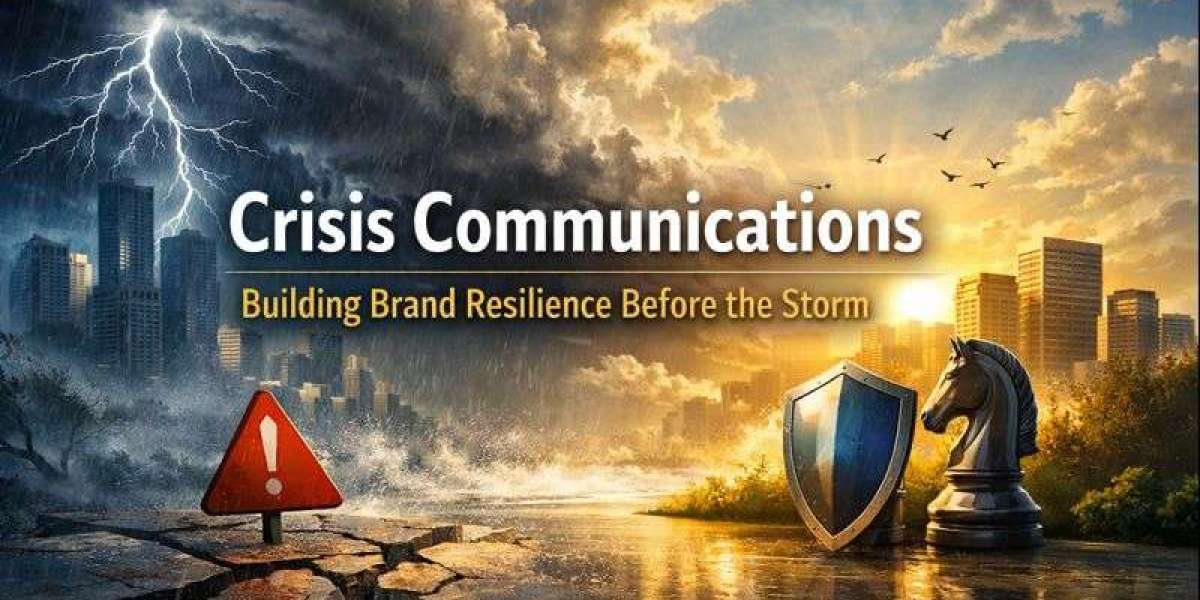

In today’s always-on media environment, a crisis can unfold in minutes — sometimes before leadership even knows it’s happening. A negative headline, social media backlash, data breach, executive misstep, or operational failure can rapidly erode trust that took years to build. That’s why effective crisis communications isn’t about reacting when trouble hits — it’s about preparing long before the storm arrives.
At First.Partners, we believe the strongest brands are not the ones that avoid crises entirely, but the ones that are ready to respond with clarity, credibility, and confidence.
What Is Crisis Communications?
Crisis communications is a strategic discipline focused on protecting an organization’s reputation during disruptive or high-risk situations. It involves anticipating potential threats, preparing leadership and messaging, coordinating internal and external responses, and managing media narratives in real time.
A well-executed crisis communications strategy ensures that when something goes wrong, your organization speaks with one voice, acts decisively, and maintains trust with key stakeholders — including customers, employees, partners, investors, and the media.
Why Preparation Matters More Than Reaction
Many organizations make the mistake of treating crisis communications as an emergency service — something to think about only after an issue arises. By then, time is already working against you.
Preparation delivers three critical advantages:
Speed: When minutes matter, having a plan allows your team to respond immediately rather than scrambling for approvals and messaging.
Consistency: Pre-aligned messaging prevents conflicting statements that can amplify confusion or damage credibility.
Control: Proactive planning helps shape the narrative instead of allowing speculation, misinformation, or external voices to dominate.
In short, preparation transforms crisis response from chaos into command.
Key Elements of a Strong Crisis Communications Framework
1. Risk Assessment & Scenario Planning
The foundation of crisis readiness is understanding what could go wrong. This includes identifying reputational, operational, regulatory, and leadership risks specific to your industry and organization. Scenario planning allows teams to anticipate likely crises and outline appropriate responses before emotions and pressure escalate.
2. Clear Messaging Architecture
During a crisis, every word matters. A messaging framework defines core talking points, values-based statements, and tone guidelines that can be adapted quickly across audiences. This ensures transparency without speculation — and empathy without overexposure.
3. Media & Stakeholder Alignment
Journalists will seek answers quickly, and silence can be interpreted as avoidance. Establishing media protocols, spokesperson training, and approval workflows ensures your organization engages the press confidently and credibly. The same clarity must extend internally to employees and partners to prevent leaks or misinformation.
4. Leadership Preparedness
Executives are often the face of a crisis response. Media training, message rehearsal, and decision-making alignment help leaders remain calm, authentic, and effective under pressure — reinforcing trust rather than undermining it.
5. Real-Time Monitoring & Adaptation
Crisis narratives evolve. Social media, news cycles, and stakeholder sentiment must be continuously monitored to adjust messaging and response strategies as the situation unfolds.
Common Crisis Communications Mistakes to Avoid
Even well-intentioned organizations can worsen a crisis by making avoidable missteps, including:
Delaying response while waiting for perfect information
Providing inconsistent or overly legalistic statements
Underestimating social media amplification
Ignoring internal audiences while focusing externally
Failing to follow up after the initial response
Each of these mistakes creates gaps in trust — and trust is the most valuable currency during a crisis.
Building Long-Term Resilience Through Communications
Crisis communications isn’t just about damage control — it’s about long-term brand resilience. Organizations that communicate transparently, take accountability, and demonstrate values-driven leadership often emerge stronger after a crisis.
By integrating crisis preparedness into broader PR and media relations strategies, brands build credibility that carries weight even in difficult moments. Journalists are more receptive. Stakeholders are more forgiving. Audiences are more willing to listen.
How First.Partners Supports Crisis Readiness
At First.Partners, we work with organizations to design proactive crisis communications strategies tailored to their unique risk profiles, industries, and leadership structures. From scenario planning and media training to real-time crisis support and post-crisis reputation rebuilding, our approach emphasizes preparation, precision, and partnership.
Because when the storm hits, it’s not the first response that defines your brand — it’s how ready you were before it arrived.
More Links
<a href="https://first.partners/">Crisis Preparedness</a>
<a href="https://first.partners/">Corporate Communications</a>
<a href="https://first.partners/">Crisis Response Planning</a>
<a href="https://first.partners/">Brand Resilience</a>
<a href="https://first.partners/">Pr Crisis Management</a>
<a href="https://first.partners/">Crisis Communications</a>
<a href="https://first.partners/">Crisis Communications Strategy</a>
<a href="https://first.partners/">Crisis Management Pr</a>
<a href="https://first.partners/">Reputation Management</a>
<a href="https://first.partners/">Media Relations During A Crisis</a>