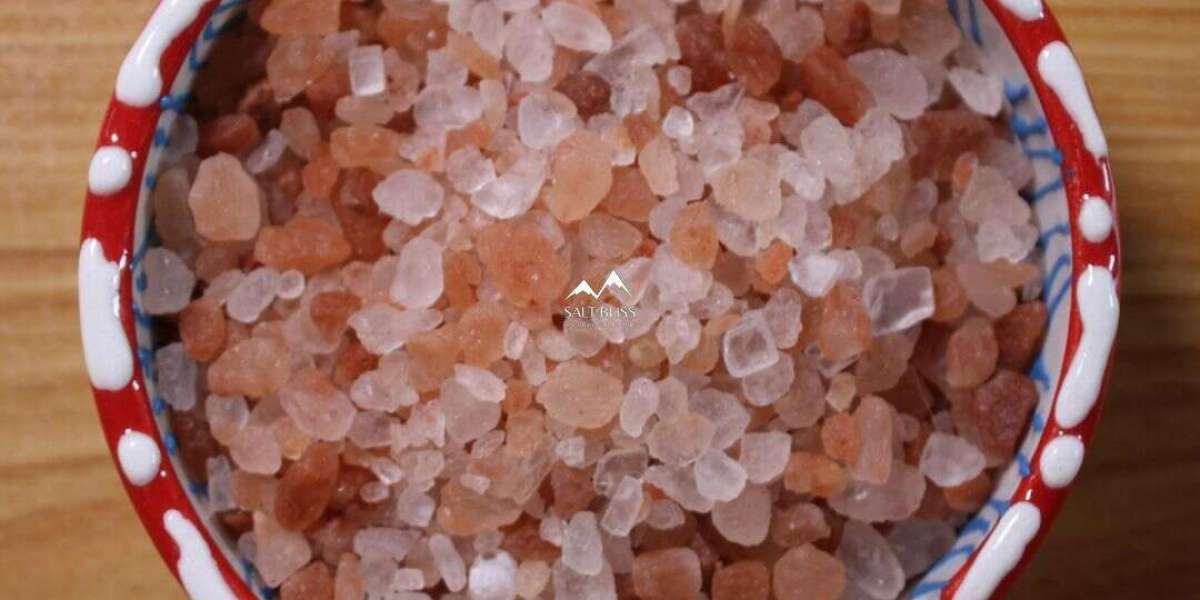

Natural products are often seen as healthier alternatives, and Himalayan dark pink salt is no exception. Praised for its mineral content and purity, it has become a popular replacement for refined table salt. However, many people misuse this salt due to myths, misinformation, or lack of understanding. While it offers benefits when used correctly, common mistakes can reduce its value or even lead to health concerns.
Mistake 1: Assuming It’s Sodium-Free
One of the most widespread misconceptions is believing Himalayan salt contains little or no sodium.
The Reality:
It is still primarily sodium chloride
Excess sodium can raise blood pressure
Overuse carries the same risks as regular salt
People often overconsume it thinking it’s “healthier,” which defeats its purpose.
Mistake 2: Using Too Much Because It’s “Natural”
Natural does not mean unlimited.
Many users sprinkle Himalayan salt generously without measuring, assuming it’s safer than table salt. This habit can quickly increase daily sodium intake beyond recommended limits.
Better Approach:
Use small amounts
Taste before adding more
Focus on flavor enhancement, not saltiness
Moderation is essential regardless of salt type.
Mistake 3: Ignoring Overall Diet Quality
Salt choice alone does not make a diet healthy.
Some people switch to Himalayan salt but continue eating:
Processed foods
High-sodium snacks
Sugary beverages
Salt quality cannot compensate for an unhealthy diet.
Mistake 4: Believing It Cures Health Conditions
Marketing and social media often exaggerate health claims.
Common False Beliefs:
It lowers blood pressure
It detoxifies organs
It cures digestive disorders
There is no scientific evidence that salt alone can treat or cure diseases.
Mistake 5: Drinking Salt Water Daily Without Guidance
Saltwater drinks are popular in wellness trends, but daily use can be harmful.
Potential Risks:
Increased sodium levels
Fluid imbalance
Kidney strain
Saltwater consumption should be occasional and moderate, especially for people with existing health conditions.
Mistake 6: Using It as a Replacement for Medical Advice
Some people rely on Himalayan salt instead of following medical recommendations.
This is especially risky for individuals with:
High blood pressure
Kidney disease
Heart conditions
Natural remedies should support—not replace—professional healthcare.
Mistake 7: Buying Low-Quality or Fake Products
Not all pink salts are authentic Himalayan salt.
Signs of Poor Quality:
Artificial coloring
Extremely bright pink color
No source or origin listed
Low-quality products may lack minerals or contain contaminants.
Mistake 8: Storing It Improperly
Himalayan salt absorbs moisture easily.
Poor storage can lead to:
Clumping
Reduced shelf quality
Contamination
Proper Storage Tips:
Keep in an airtight container
Store in a dry place
Avoid humidity exposure
Correct storage preserves freshness and texture.
Mistake 9: Using It for Every Meal
Variety matters.
Using the same salt for all cooking needs may limit flavor balance. Some dishes benefit from different salts with specific textures or intensities.
Himalayan salt works best when used thoughtfully rather than universally.
Mistake 10: Expecting High Mineral Intake from Salt Alone
Although Himalayan salt contains trace minerals, the amounts are very small.
Relying on salt for mineral intake is ineffective.
Better Sources:
Fruits and vegetables
Nuts and seeds
Whole grains
Salt should complement nutrition, not replace it.
Mistake 11: Overusing It in Processed Recipes
Some people add Himalayan salt to already salty ingredients like:
Sauces
Cheeses
Packaged foods
This doubles sodium intake unknowingly.
Always check ingredient labels before adding extra salt.
Mistake 12: Using Fine and Coarse Salt Interchangeably
Grain size affects saltiness.
Coarse salt:
Dissolves slower
Appears less salty by volume
Fine salt:
Packs more sodium per spoon
Not adjusting measurements can lead to over-seasoning.
Mistake 13: Ignoring Personal Health Needs
Everyone’s sodium tolerance is different.
Factors that affect salt needs:
Age
Activity level
Medical conditions
Climate
What works for one person may not work for another.
Mistake 14: Assuming Salt Lamps Offer Health Benefits
Salt lamps are often associated with Himalayan salt, but their health benefits are largely unproven.
While they may enhance ambiance, they should not be relied upon for medical or air-purifying benefits.
Mistake 15: Not Reading Labels or Certifications
Ethical sourcing matters.
Responsible brands:
Clearly label origin
Follow mining regulations
Avoid chemical processing
Supporting ethical products ensures better quality and sustainability.
How to Use Himalayan Salt the Right Way
To avoid these mistakes:
Use sparingly
Measure intake
Pair with a balanced diet
Store properly
Choose authentic products
Mindful usage maximizes benefits and minimizes risks.
Educating Yourself Matters
Health trends change rapidly, and misinformation spreads easily. Taking time to understand what Himalayan salt can and cannot do helps you make smarter choices.
Reliable sources, balanced nutrition, and moderation are always better than hype.
Final Thoughts
Himalayan dark pink salt can be a valuable addition to your kitchen and wellness routine when used correctly. Most problems arise not from the salt itself, but from unrealistic expectations and improper use. By avoiding common mistakes—such as overconsumption, believing exaggerated health claims, or ignoring overall diet—you can enjoy Himalayan dark pink salt safely and responsibly as part of a balanced, informed lifestyle.