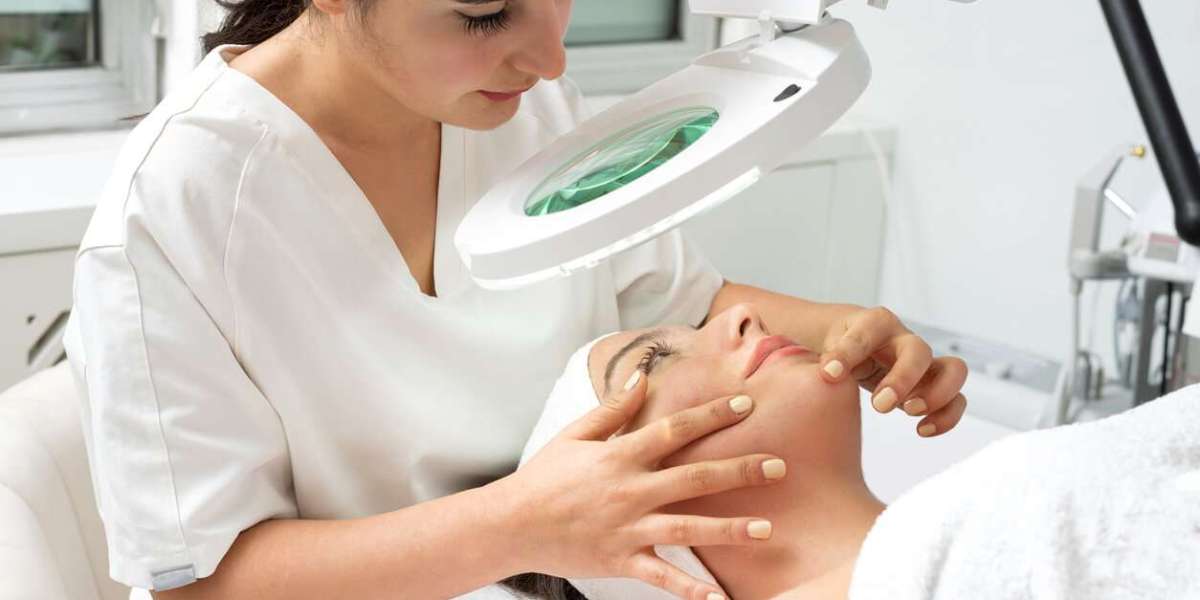

Rosacea is a chronic skin condition that primarily affects the face, causing redness, visible blood vessels, and sometimes acne-like bumps. Many individuals mistake it for simple flushing or sensitive skin, which can delay effective treatment. Consulting a Dermatologist Riyadh residents trust is essential for proper diagnosis and management, as rosacea requires targeted care to control flare-ups and prevent long-term skin changes. Understanding common triggers and evidence-based treatments can help patients manage symptoms effectively and maintain healthier skin.
Understanding Rosacea and Its Symptoms:
Rosacea typically manifests as persistent facial redness, flushing, visible blood vessels, and, in some cases, small pustules or bumps resembling acne. Symptoms may flare intermittently and often worsen over time if untreated. While the exact cause is unclear, factors such as genetics, immune system response, and skin barrier sensitivity contribute to its development. Proper identification of rosacea is crucial, as misdiagnosis can lead to ineffective treatments and prolonged discomfort.
Persistent facial redness and flushing
Visible blood vessels (telangiectasia)
Acne-like bumps and pustules
Sensitive skin reactions
Gradual worsening without treatment
Common Triggers That Worsen Rosacea:
Rosacea flare-ups are often triggered by environmental, lifestyle, and dietary factors that irritate the skin or increase blood flow to the face. Identifying personal triggers is key to minimizing episodes and reducing symptom severity. Dermatologists recommend keeping a journal of flare-ups to track patterns and determine which factors most significantly impact each individual.
Sun exposure and UV radiation
Hot beverages and spicy foods
Alcohol consumption, especially red wine
Extreme temperatures (hot or cold)
Stress and emotional triggers
The Role of Skincare in Managing Rosacea:
A gentle skincare routine is fundamental for controlling rosacea symptoms. Dermatologists advise avoiding harsh cleansers, exfoliants, and alcohol-based products that can exacerbate redness or irritation. Using soothing, fragrance-free moisturizers and daily broad-spectrum sunscreen helps protect the skin barrier and reduce flare-ups. Proper cleansing techniques, such as lukewarm water and gentle patting, further minimize irritation.
Gentle, fragrance-free cleansers
Soothing moisturizers for barrier support
Daily broad-spectrum sunscreen
Lukewarm water for washing
Avoiding abrasive scrubs or alcohol-based products
Topical Treatments Recommended by Dermatologists:
Topical medications are commonly prescribed to manage inflammation, redness, and acne-like lesions associated with rosacea. These treatments reduce immune response, target bacteria, and improve overall skin appearance. Correct usage and adherence to prescribed regimens are critical for effectiveness and to minimize side effects.
Metronidazole creams or gels
Azelaic acid for redness and bumps
Ivermectin for inflammatory lesions
Topical brimonidine to reduce flushing
Combination therapy for resistant cases
Oral Medications for Moderate to Severe Cases:
When topical therapies are insufficient, dermatologists may prescribe oral medications to reduce inflammation and bacterial involvement. Antibiotics such as doxycycline are commonly used at anti-inflammatory doses, which help control persistent pustules and redness without the risk of antibiotic resistance associated with long-term high-dose use. Oral treatments are carefully monitored and often combined with topical care for optimal results.
Low-dose doxycycline for inflammation
Oral antibiotics for severe flare-ups
Short-term systemic therapy when needed
Combination with topical treatments
Monitoring for side effects and efficacy
Laser and Light-Based Therapies:
For patients with visible blood vessels, persistent redness, or thickened skin (phymatous changes), dermatologists may recommend laser or light-based therapies. These procedures target blood vessels beneath the skin, reduce redness, and improve overall complexion. While multiple sessions may be required, many patients experience long-term improvement when combined with ongoing medical and skincare management.
Pulsed dye laser for visible blood vessels
Intense pulsed light (IPL) therapy
Treatment for thickened or uneven skin
Multiple sessions for optimal results
Complementary to topical and oral medications
Lifestyle Modifications to Reduce Flare-Ups:
In addition to medical treatments, lifestyle adjustments play a significant role in managing rosacea. Avoiding known triggers, maintaining proper hydration, managing stress, and protecting the skin from environmental extremes help reduce the frequency and severity of flare-ups. Dermatologists often provide personalized guidance to help patients integrate these habits into daily routines.
Avoiding trigger foods and drinks
Stress management techniques
Protective measures against sun and wind
Maintaining hydration and balanced diet
Adjusting skincare based on seasonal changes
The Importance of Early and Consistent Treatment:
Early intervention is key to preventing rosacea from worsening or causing long-term skin changes such as permanent redness, visible blood vessels, or thickened tissue. Regular consultations with a Dermatologist Riyadh patients trust ensure continuous monitoring, adjustments to treatment plans, and education on trigger avoidance. Consistency in medical care, skincare, and lifestyle practices leads to better long-term outcomes and improved quality of life.
Final Thoughts:
Rosacea is a chronic skin condition that can be managed effectively with the right combination of medical treatments, skincare routines, and lifestyle modifications. Understanding personal triggers and working closely with a Dermatologist Riyadh residents rely on allows patients to control flare-ups, minimize symptoms, and prevent long-term skin changes. With early diagnosis, consistent care, and evidence-based strategies, living with rosacea becomes more manageable, allowing patients to maintain healthier, calmer skin.