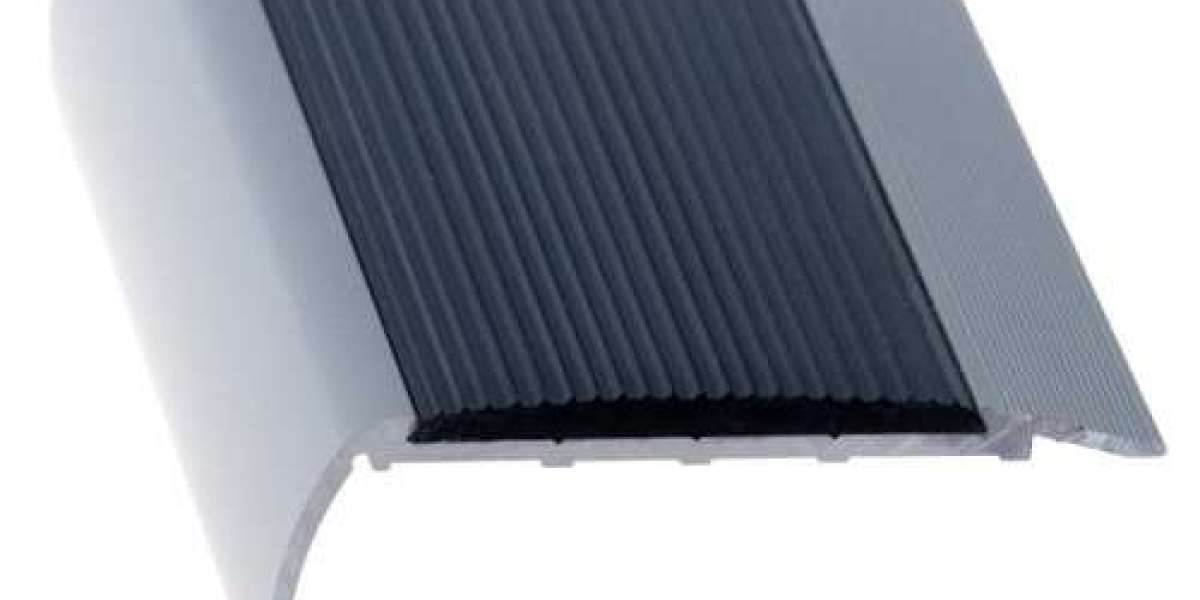

Creating safe and accessible environments is essential in modern urban design. One important feature that supports people with vision impairment is tactile indicators. These specially designed ground surface features help individuals navigate public spaces safely and independently. Among the most commonly used types are integrated tactile indicators and discrete tactile indicators.
In this blog, we will explore what these indicators are, their differences, benefits, applications, and how to choose the right option for your project.
What Are Tactile Indicators?
Tactile indicators, also known as tactile ground surface indicators (TGSIs), are textured surfaces installed on walking paths, stairs, ramps, and public areas. They are designed to provide information through touch, mainly for people who are blind or have low vision.
These indicators serve two main purposes:
- Warning indicators: Alert users to hazards such as stairs, platform edges, or crossings.
- Directional indicators: Guide users along a safe path of travel.
Understanding Integrated Tactile Indicators
Integrated tactile indicators are built directly into the surface material, such as concrete or tiles, during construction. Instead of being added later, they are formed as part of the flooring itself.
Key Features of Integrated Tactile Indicators
- Installed during the initial construction process
- Made from materials like concrete, ceramic, or stone
- Designed to blend seamlessly with surrounding surfaces
- Long-lasting and highly durable
Benefits of Integrated Tactile Indicators
1. Strong and Durable
Because they are part of the surface, integrated indicators are less likely to come loose or wear out quickly. This makes them ideal for high-traffic areas.
2. Low Maintenance
They require minimal maintenance since they are not attached separately. There is no risk of adhesive failure or detachment.
3. Aesthetic Appeal
Integrated designs offer a clean and uniform look. They can be customized to match the surrounding flooring, making them suitable for modern architectural designs.
4. Long-Term Cost Efficiency
Although initial installation may be higher, their durability reduces repair and replacement costs over time.
Common Applications
- Train stations and platforms
- Airports
- Shopping malls
- Public walkways
- Large commercial buildings
Understanding Discrete Tactile Indicators
Discrete tactile indicators are individual units (studs or bars) that are installed onto an existing surface. They are typically fixed using adhesives, screws, or anchors.
Key Features of Discrete Tactile Indicators
- Installed after the surface is completed
- Available in various materials such as stainless steel, plastic, or polyurethane
- Flexible installation options
- Suitable for both indoor and outdoor use
Benefits of Discrete Tactile Indicators
1. Easy Installation
Discrete indicators can be installed quickly without the need for major construction work. This makes them ideal for retrofitting existing spaces.
2. Versatility
They can be used on different surfaces like concrete, timber, tiles, and carpets.
3. Customizable Design
Available in different shapes, sizes, and colors, allowing designers to meet accessibility standards while maintaining visual appeal.
4. Cost-Effective for Upgrades
They are more affordable for projects where adding tactile indicators to an existing structure is required.
Common Applications
- Office buildings
- Schools and universities
- Hospitals
- Retail stores
- Renovation projects
Key Differences Between Integrated and Discrete Tactile Indicators
Understanding the differences between these two types can help you make the right decision.
Installation Method
- Integrated indicators are built into the surface during construction.
- Discrete indicators are added later onto existing surfaces.
Durability
- Integrated options are generally more durable due to their fixed structure.
- Discrete indicators are durable but may require occasional maintenance.
Flexibility
- Integrated indicators are less flexible once installed.
- Discrete indicators can be installed, replaced, or repositioned easily.
Cost Consideration
- Integrated indicators have higher upfront costs but lower long-term maintenance.
- Discrete indicators are more budget-friendly for short-term or retrofit projects.
Choosing the Right Tactile Indicator
Selecting between integrated tactile indicators and discrete tactile indicators depends on several factors.
1. Type of Project
- For new construction projects, integrated indicators are often the best choice.
- For renovation or upgrade projects, discrete indicators are more practical.
2. Budget
- If you are looking for long-term value, integrated indicators are cost-effective.
- For smaller budgets, discrete indicators provide a quick and affordable solution.
3. Traffic Level
- High-traffic areas benefit from the durability of integrated indicators.
- Low to medium traffic areas can effectively use discrete indicators.
4. Design Requirements
- If aesthetics are a priority, integrated indicators offer a seamless look.
- If flexibility and customization are needed, discrete indicators are ideal.
Compliance and Safety Standards
Both integrated and discrete tactile indicators must meet accessibility standards set by local authorities. These standards ensure that the indicators are effective and safe for users.
Some important considerations include:
- Proper spacing and layout
- Slip resistance
- Color contrast for visibility
- Correct placement in hazard areas
Following these standards is crucial to ensure safety and legal compliance.
Maintenance and Longevity
Integrated Tactile Indicators
- Require minimal maintenance
- Less prone to damage
- Long lifespan
Discrete Tactile Indicators
- May need periodic inspection
- Individual units can be replaced if damaged
- Maintenance depends on installation quality
Regular checks help ensure that tactile indicators remain effective and safe for users.
The Importance of Tactile Indicators in Accessibility
Tactile indicators play a vital role in making public spaces inclusive. They empower individuals with visual impairments to move independently and safely.
By installing the right type of tactile indicators, businesses and governments can:
- Improve accessibility
- Enhance public safety
- Meet legal requirements
- Promote inclusivity
Conclusion
Integrated tactile indicators and discrete tactile indicators both serve the same purpose—enhancing safety and accessibility—but they differ in installation, durability, and application.
Integrated indicators are best suited for new constructions where long-term durability and a seamless look are important. On the other hand, discrete indicators are ideal for existing spaces where quick and flexible installation is needed.
Choosing the right option depends on your project requirements, budget, and design preferences. By understanding their differences and benefits, you can make an informed decision that ensures safety, compliance, and long-term value.
Investing in tactile indicators is not just about meeting regulations—it’s about creating inclusive spaces where everyone can navigate with confidence and independence.