
Understanding the Basic Tool Categories
Painting tools encompass a wide range of equipment designed to apply, prepare, and finish paint projects efficiently and professionally. These tools fall into several categories including application tools like brushes and rollers, preparation tools such as scrapers and sanders, protection tools including drop cloths and tape, and cleanup equipment. The right combination of quality tools dramatically affects both the ease of painting and the quality of finished results. Investing in appropriate tools for each project saves time, reduces frustration, and produces professional-looking outcomes that enhance the value of any painting work.
Essential Tools for Every Project
Regardless of project size, certain painting tools form the foundation of any painter's kit. Quality brushes in various sizes handle cutting-in edges and painting trim. Rollers and covers speed wall and ceiling coverage. Paint trays and grids facilitate loading rollers efficiently. Drop cloths protect floors and furniture from drips and spills. Painter's tape creates clean lines at trim and ceiling edges. Sandpaper and sanding blocks smooth surfaces before painting. Filling knives apply spackle to repair imperfections. Each of these basics contributes to successful painting results.
How to Choose the Right Paint Brushes
Understanding Brush Materials
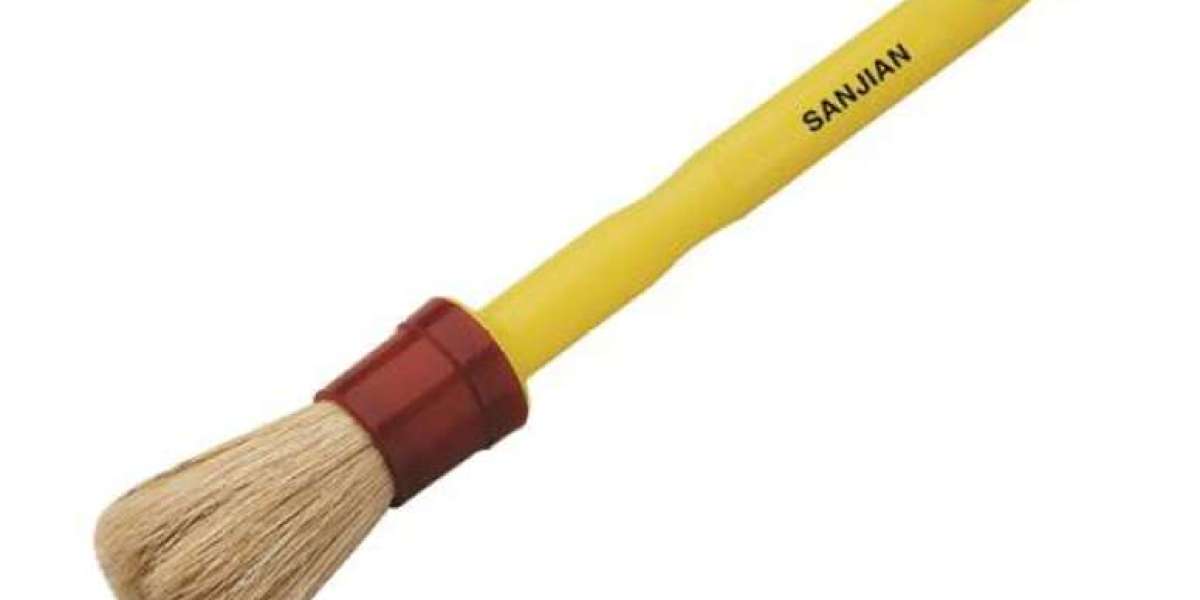
The performance of any painting tool brush depends heavily on the bristle material. Natural bristle brushes, made from animal hair like china bristle or ox hair, work best with oil-based paints and varnishes. The natural fibers hold these materials well and lay them down smoothly. Synthetic brushes, typically made from nylon, polyester, or blends, excel with water-based paints like latex and acrylic. The synthetic fibers resist absorbing water, maintaining their shape and stiffness throughout use. Some premium brushes combine multiple synthetic materials to optimize paint pickup, release, and smoothing characteristics.
Brush Shapes and Their Applications
Painting tools come in various brush shapes optimized for different tasks. Flat brushes with square ends are the most versatile, suitable for cutting in edges, painting trim, and covering broad areas. Angled sash brushes feature slanted tips designed for cutting in against trim and ceilings with greater control. The angle allows painters to see the contact point clearly while maintaining comfortable hand position. Oval and round brushes work well for detail work and painting irregular surfaces. Wide flat brushes up to four inches cover large areas quickly on decks and exterior surfaces.
Brush Size Selection
Choosing the right brush size from available painting tools affects both efficiency and precision. Small brushes from one to two inches wide handle detailed work on window frames, cabinets, and furniture. Medium brushes of two to three inches suit most trim work, door frames, and baseboards. Large brushes three to four inches wide speed work on broad surfaces like siding and large trim. The brush size should match the scale of the work, with larger areas benefiting from bigger brushes and detailed work requiring smaller tools for control.
Quality Indicators in Paint Brushes
Quality distinctions among painting tools brushes significantly affect performance and results. Premium brushes feature flagged or split ends on bristles that hold more paint and lay it down more smoothly. The bristles should feel full and springy, returning to shape after bending. Well-constructed brushes have ferules securely crimped to handles, preventing loosening during use. Comfortable handles reduce hand fatigue during extended painting sessions. Investing in quality brushes pays dividends through better results, less effort, and longer tool life.
What Types of Paint Rollers Are Available
Roller Frame Designs
Painting tools include various roller frame configurations for different applications. Standard cage-style frames accept interchangeable roller covers and work for most wall and ceiling painting. Extension poles attach to many frames, allowing ceiling painting without ladders and faster wall coverage. Mini rollers with smaller frames handle tight spaces, cabinets, and furniture. Specialty frames include textured rollers for decorative effects and corner rollers that paint both sides of inside corners simultaneously. The frame choice should match the specific painting task and access requirements.
Roller Cover Materials
The roller cover material significantly affects how painting tools perform with different paints. Synthetic covers made from polyester or nylon blends work best with water-based paints, resisting water absorption and maintaining their nap.