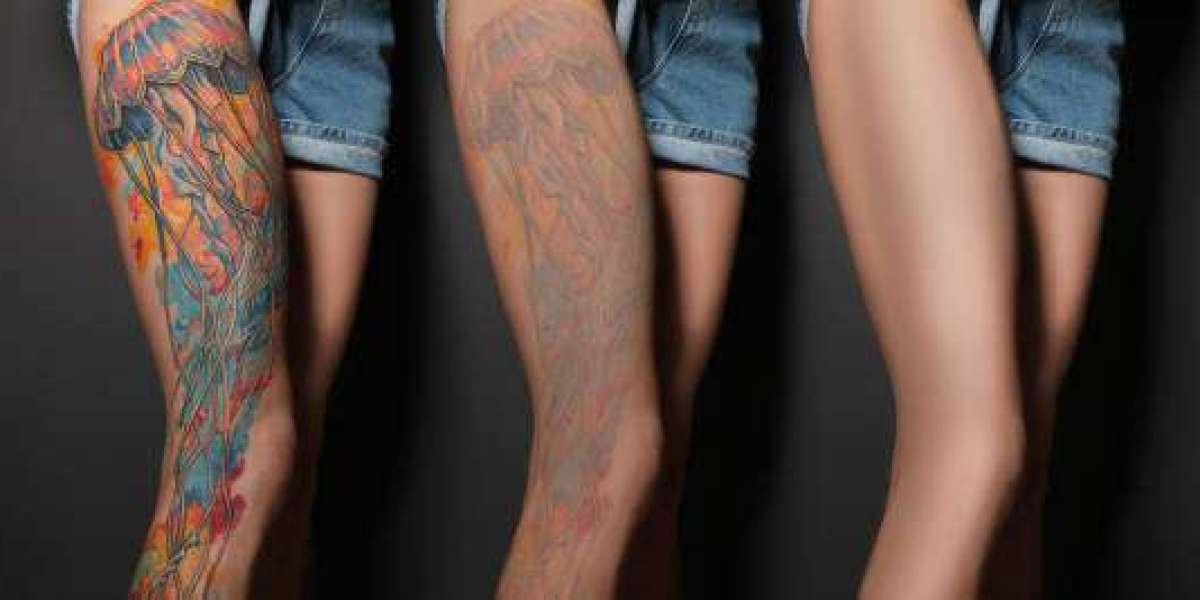

The complexity of a tattoo is often defined by its palette. While black ink has long been the standard for successful clearing, many patients seeking tattoo removal in Dubai carry vibrant, multi-colored designs that require a more sophisticated approach. Different ink pigments reside at varying depths within the dermis and react exclusively to specific light frequencies. Achieving a clean slate on a colorful piece is not about the strength of the laser, but the precision of the wavelength. By utilizing a multi-platform laser strategy, specialists can target everything from deep carbon blacks to stubborn neon sky blues without damaging the surrounding skin tissue.
Understanding the physics of color absorption is the first step in ensuring that your colorful ink transition from a permanent mark to a memory.
The Spectrum of Ink and Light Absorption
In the world of laser physics, color is simply the reflection of specific light waves. To remove a color, the laser must emit a light that the pigment absorbs perfectly. When the ink absorbs this energy, it undergoes a rapid thermal expansion that shatters the particle into microscopic dust.
Why Is Black Ink the Easiest Color to Remove?
Black pigment is the most "light-hungry" color, meaning it absorbs all laser wavelengths effectively. Because it soaks up the energy so readily, the laser can shatter the particles with high efficiency and lower risk of skin irritation. Most patients see the most dramatic fading in their black outlines during the first three sessions.
How Do Specialists Target Stubborn Green and Blue Inks?
Green and blue pigments are notorious for reflecting standard laser light, which is why they often require a specific 755nm or 694nm wavelength. These frequencies are specifically tuned to be absorbed by "cool" tones. Without these specialized settings, the laser energy would simply bounce off the ink, leading to zero fading and potential skin overheating.
Is Red Ink Difficult to Clear from the Skin?
Red ink requires a doubled frequency, typically a 532nm wavelength, which is highly effective but also absorbed by the skin's natural melanin. Practitioners must be extremely precise with these settings to ensure the laser hits the red pigment while bypassing the surrounding skin cells. We observe that red usually fades significantly faster than green or purple tones.
Patient Sensations and the "Acoustic" Experience
A common misconception is that different colors feel different during treatment. While the laser settings change, the physical sensation remains consistent across the spectrum of the tattoo.
What Does the Laser Treatment Feel Like for Color Removal?
Patients often describe the sensation as a rapid, hot "snapping" feeling, similar to a thin rubber band hitting the skin at high speed. While the intensity is sharp, it is extremely brief. Most colorful tattoos are treated in sections, and with the use of advanced skin-cooling technology, the discomfort is kept to a highly manageable level throughout the session.
Are Certain Colors More Painful to Remove Than Others?
The sensation of pain is generally tied to the energy density of the laser rather than the color of the ink. However, because stubborn colors like yellow or turquoise may require higher energy settings to break apart, some patients report a slightly "snappier" feeling in those specific zones. We use topical anesthetics to ensure the skin is properly prepped for these higher-intensity pulses.
Recovery and the Biological Clearing Process
Once the laser has done its job of shattering the ink, the body takes over. The immune system identifies the shattered particles as foreign debris and begins the process of elimination through the lymphatic system.
How Does the Body Remove Shattered Color Pigments?
After the laser shatters the ink into microscopic fragments, specialized white blood cells called macrophages engulf the particles. These cells then carry the pigment through the lymphatic fluid to the liver, where it is filtered and eventually excreted from the body. This is why hydration is so critical during your recovery phase.
What Are the Realistic Expectations for Multi-Colored Fading?
Fading is a gradual process that happens over several months. You may notice that the black and red portions of your tattoo disappear first, while the greens and purples linger as a faint "shadow" for a few more sessions. This staggered clearing is a normal biological response to how different pigments break down at different rates.
Safety and Skin Integrity Across All Tones
Protecting the skin while targeting colorful ink is a delicate balance. In a professional clinical environment, we focus on "Information Gain"—adjusting the pulse duration to ensure the ink is hit with maximum impact and minimum thermal spread.
Can All Skin Types Safely Undergo Color Tattoo Removal?
Yes, but the approach must be customized. For darker skin tones, we use longer wavelengths that "ignore" the melanin in the surface skin and go straight to the ink. This prevents the risk of hyperpigmentation or "ghosting," where the skin becomes lighter than the surrounding area. Safety is always prioritized over the speed of the removal.
What Happens if the Ink Contains Heavy Metals?
Some older or lower-quality color inks contain metallic compounds that can "oxidize" or turn dark when hit by a laser. An experienced practitioner will often perform a "spot test" on a small area of the color to see how the pigment reacts before proceeding with a full session. This ensures there are no surprises in the final appearance of the skin.
Social Proof: Real Patient Experiences
"I had a bright red and green rose on my forearm that I hated for years. I was told it couldn't be removed, but after six sessions at the clinic, the red is completely gone and the green is barely a smudge." — Yousuf
"The specialist explained why the blue ink was taking longer than the black parts. Knowing the science behind the wavelengths made me feel much more patient with the process." — Hamad
Why Choose Tajmeels Clinic for Color Removal?
Clearing a multi-colored tattoo requires a clinic that invests in a full spectrum of laser technology. At Tajmeels Clinic, we utilize a multi-wavelength approach that allows us to switch between frequencies mid-session to address every color in your design. Our specialists are trained in the nuances of pigment chemistry, ensuring that each color is treated with the specific energy level it requires for fragmentation. We provide a professional, medical-grade environment where your skin's health is never compromised for the sake of speed. When you choose Tajmeels Clinic, you are choosing a team that understands the art of the tattoo and the science of its removal. We invite you to consult with our experts to create a customized plan for your colorful ink at Tajmeels Clinic.
Frequently Asked Questions
Can neon or "glow-in-the-dark" inks be removed?
Neon pigments are some of the most challenging because they contain highly reflective compounds. While they can be faded significantly, they often require more sessions than standard black or red inks. A consultation is necessary to see if our specific laser wavelengths can effectively target the unique chemistry of neon pigments.
Will the laser damage my natural tan?
Laser treatments target pigment, and that includes the melanin in a tan. If you have a fresh tan, the laser may "see" your skin pigment as ink, which increases the risk of burns or skin lightening. We strictly advise avoiding sun exposure for at least two to four weeks before your session for maximum safety.
How many colors can be treated in a single session?
We can treat multiple colors in one visit by switching the laser's handpieces or internal settings. However, if the tattoo is very large and contains many colors, we may suggest breaking the treatment into two smaller sessions to avoid overwhelming your body’s lymphatic system as it works to clear the ink.
Is it normal for the color to look darker after the first session?
In some cases, yes. This is often due to the oxidation of the ink or the deep pigment being shattered and rising closer to the surface of the skin. This "darkening" is usually a temporary phase and is a sign that the laser has successfully interacted with the pigment, which will fade in the coming weeks.
What is the most difficult color to remove?
Typically, light yellow, white, and certain shades of turquoise are the most difficult because they don't absorb standard laser light very well. While we can achieve significant fading, these colors often require the most patience and the most advanced picosecond technology to achieve a satisfactory result.