
Injuries can happen suddenly, whether from a fall, accident, or sports activity, and they often involve damage to bones or joints. Among the most common injuries are Fractures & Dislocations, both of which require immediate attention to prevent long-term complications. At First Care Family Clinic, patients receive prompt evaluation and treatment to ensure proper healing and recovery. Understanding the symptoms, types, and first aid steps for these injuries can help you respond quickly and effectively in emergency situations.
Understanding Fractures & Dislocations
Fractures occur when a bone breaks or cracks due to excessive force, while dislocations happen when a joint is forced out of its normal position. Although they are different conditions, they often occur together, especially in high-impact injuries. Both can cause severe pain, swelling, and difficulty in movement, making early identification crucial.
In daily life, these injuries may result from slips, falls, road accidents, or even simple missteps. Athletes and older adults are particularly at risk due to intense physical activity and weaker bone density, respectively. Knowing how these injuries affect the body helps in managing them more effectively.
Common Symptoms to Watch For
Recognizing symptoms early can make a significant difference in treatment outcomes. The signs of Fractures & Dislocations may vary depending on severity, but some common indicators are easy to identify.
- Severe Pain and Swelling
Pain is usually immediate and intense, especially when trying to move the affected area. Swelling often develops quickly as the body responds to the injury. - Visible Deformity
In many cases, the injured limb or joint may appear out of shape or misaligned, which is a strong indication of a fracture or dislocation. - Limited Mobility
Difficulty in moving the affected area or complete inability to use it is another common symptom. Patients often avoid movement due to pain. - Bruising and Tenderness
Discoloration of the skin and sensitivity to touch may develop as blood vessels are affected during the injury. - Numbness or Tingling
If nerves are impacted, patients may feel numbness or a tingling sensation, which requires immediate medical attention.
Types of Fractures & Dislocations
There are several types of fractures and dislocations, each requiring a slightly different approach to treatment. Understanding these variations helps in identifying the seriousness of the injury.
- Closed and Open Fractures
A closed fracture means the bone is broken but the skin remains intact, while an open fracture involves the bone piercing through the skin, increasing the risk of infection. - Stress and Hairline Fractures
These are small cracks in the bone that develop over time due to repeated stress, commonly seen in athletes or individuals with repetitive physical activity. - Simple Dislocations
This occurs when the joint is displaced without major damage to surrounding tissues. With proper care, these can often be treated effectively. - Complex Dislocations
In more severe cases, dislocations may involve damage to ligaments, nerves, or blood vessels, making treatment more complicated and requiring professional care.
Causes and Risk Factors
Understanding the causes of Fractures & Dislocations can help in prevention. These injuries are often linked to sudden trauma, but other factors also play a role.
High-impact accidents such as car crashes or falls from height are among the leading causes. Sports activities that involve contact or rapid movements can also result in injuries. In addition, conditions like osteoporosis weaken bones, making them more prone to fractures even with minor impacts.
Age is another important factor. Children are more likely to experience certain types of fractures due to developing bones, while older adults face higher risks because of reduced bone density and balance issues.
First Aid for Fractures & Dislocations
Providing immediate first aid can prevent further damage and reduce pain before professional treatment is available. Knowing what to do in those first few minutes is extremely important.
- Immobilize the Injured Area
Keeping the affected limb or joint still is the first step. Using a splint, sling, or even a folded cloth can help stabilize the injury and prevent further damage. - Apply Cold Compress
Ice packs can reduce swelling and numb the area, providing temporary relief from pain. It is important to wrap ice in a cloth to avoid direct skin contact. - Avoid Repositioning the Joint or Bone
Attempting to push a dislocated joint or broken bone back into place can cause serious complications. This should only be done by a medical professional. - Control Bleeding if Present
In the case of open fractures, applying gentle pressure with a clean cloth can help control bleeding until medical help arrives. - Seek Immediate Medical Care
Even if the injury seems minor, professional evaluation is necessary to ensure proper diagnosis and treatment.
Diagnosis and Treatment Approach
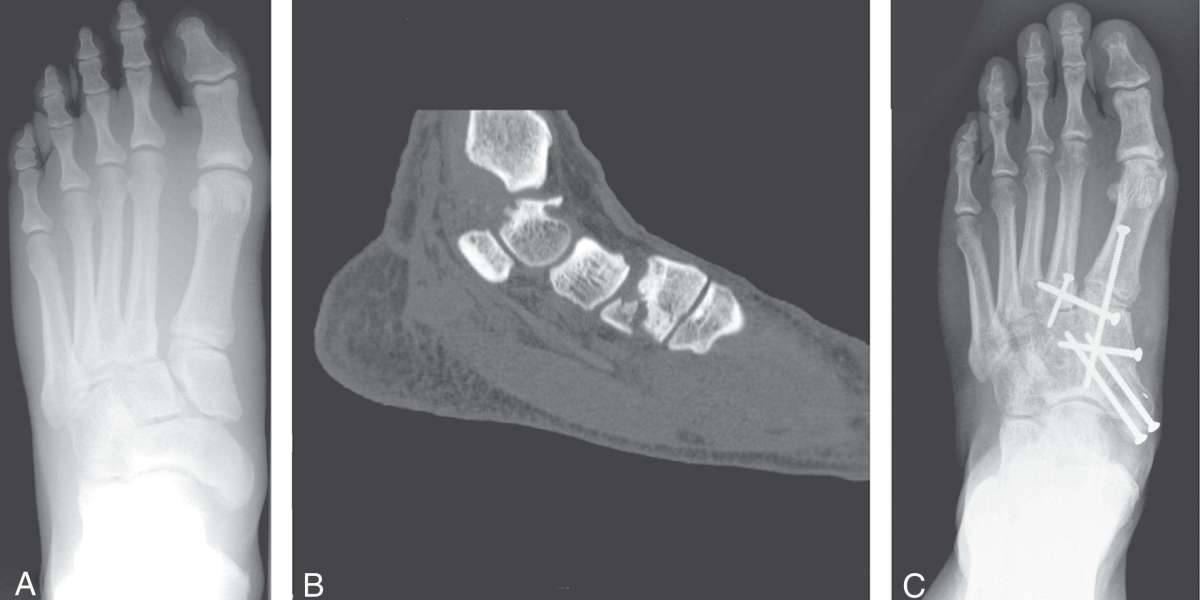
Once a patient reaches a medical facility, doctors begin with a physical examination to assess the injury. Imaging tests such as X-rays are commonly used to confirm fractures or dislocations. In more complex cases, advanced imaging techniques may be required.
Treatment depends on the type and severity of the injury. Fractures are often treated with casts or splints to allow the bone to heal in the correct position. Dislocations typically require a procedure called reduction, where the joint is carefully placed back into alignment. In severe cases, surgery may be necessary to repair damage and restore function.
Recovery also involves rehabilitation. Physical therapy helps restore strength, flexibility, and range of motion, ensuring that the patient returns to normal activity safely.
Prevention Tips for Everyday Life
Preventing Fractures & Dislocations is possible with simple lifestyle adjustments. Maintaining strong bones through a balanced diet rich in calcium and vitamin D is essential. Regular exercise improves strength, balance, and coordination, reducing the risk of falls.
Wearing protective gear during sports and being cautious on slippery or uneven surfaces can also make a significant difference. For older adults, making small changes at home, such as installing handrails and improving lighting, helps prevent accidents.
Conclusion
Proper understanding and quick response are key to managing Fractures & Dislocations effectively. From recognizing early symptoms to providing first aid and seeking professional care, every step plays a role in recovery. At First Care Family Clinic, patients receive personalized treatment designed to ensure safe healing and long-term mobility. With the right care and preventive measures, individuals can reduce risks and maintain an active, healthy lifestyle.
FAQs
Q1. What is the main difference between fractures and dislocations?
A fracture is a break in the bone, while a dislocation occurs when a joint is forced out of its normal position.
Q2. Can fractures heal without medical treatment?
Some minor fractures may heal, but proper alignment and care are essential to avoid complications. Medical evaluation is always recommended.
Q3. How long does recovery usually take?
Recovery time varies, but most fractures heal within 6–8 weeks, while dislocations may take a few weeks depending on severity.
Q4. Is it safe to move an injured limb?
No, movement can worsen the injury. The affected area should be kept still until medical help is available.
Q5. When should I seek emergency care?
Immediate care is needed if there is severe pain, visible deformity, bleeding, or inability to move the limb.