
Buying a 30 oz tumbler feels straightforward until you start comparing options and realize how much variation exists beneath similar-looking exteriors. Wall thickness, lid engineering, coating durability, and handle compatibility all influence how the tumbler performs across months and years of regular use. Understanding what separates a dependable tumbler from a disappointing one helps you make a purchase you will not regret.
Start with the steel. A 30 oz tumbler made from 18/8 stainless steel — also labeled 304 grade — offers a solid combination of corrosion resistance and structural integrity. The numbers refer to the chromium and nickel content in the alloy, both of which contribute to durability and food safety. Tumblers using thinner or lower-grade steel may dent more easily and show surface rust around the rim or base over time. If the product specifications do not mention the steel grade, that absence is worth noting.
Vacuum insulation performance varies more than manufacturers typically advertise. The quality of the vacuum seal at the base, where the two walls are joined, determines how long the insulating effect holds over the product's lifetime. A poorly sealed tumbler may perform adequately when new but lose insulating efficiency after a year of thermal cycling. Well-constructed tumblers maintain their vacuum integrity for years, keeping ice unmelted in summer heat and keeping coffee warm through a slow morning meeting.
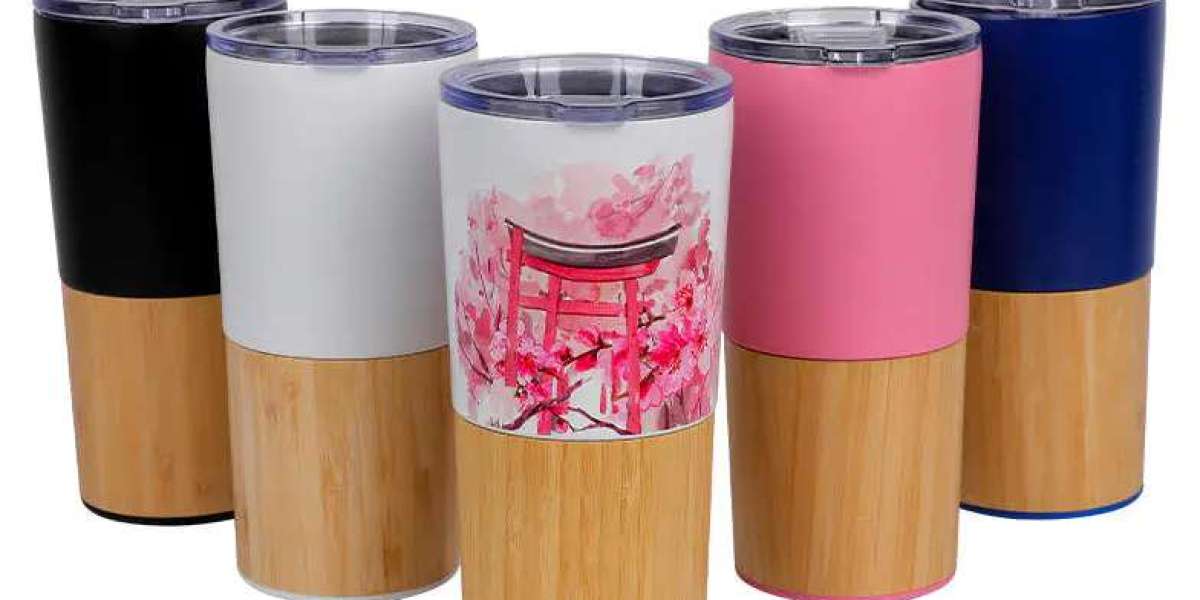
Coating and finish choices affect both appearance and grip. Powder coating bonds electrostatically to the steel surface and then cures under heat, creating a layer that resists chips and scratches under normal handling. Matte finishes tend to hide minor wear marks better than glossy ones. Rubberized base rings, found on many 30 oz tumblers, reduce the clunking sound when you set the cup down on a hard surface and add a small amount of slip resistance on smooth tabletops. These details might seem trivial, but they contribute to how pleasant the tumbler feels to use every single day.
Cleaning a 30 oz tumbler properly extends its lifespan significantly. Most are not dishwasher-safe — the high heat and harsh detergents used in dishwashers can degrade the exterior coating and potentially compromise the vacuum seal over repeated cycles. Hand washing with warm water and a bottle brush is consistently gentler on both the finish and the insulation mechanism. For stubborn residue or odors, a mixture of baking soda and warm water left to soak for a few hours works remarkably well without damaging any surface.
The 30 oz tumbler has earned its widespread popularity through practical usefulness rather than trend alone. It carries your drinks, maintains their temperature, survives daily handling, and looks good doing it — and that combination keeps people reaching for it morning after morning.