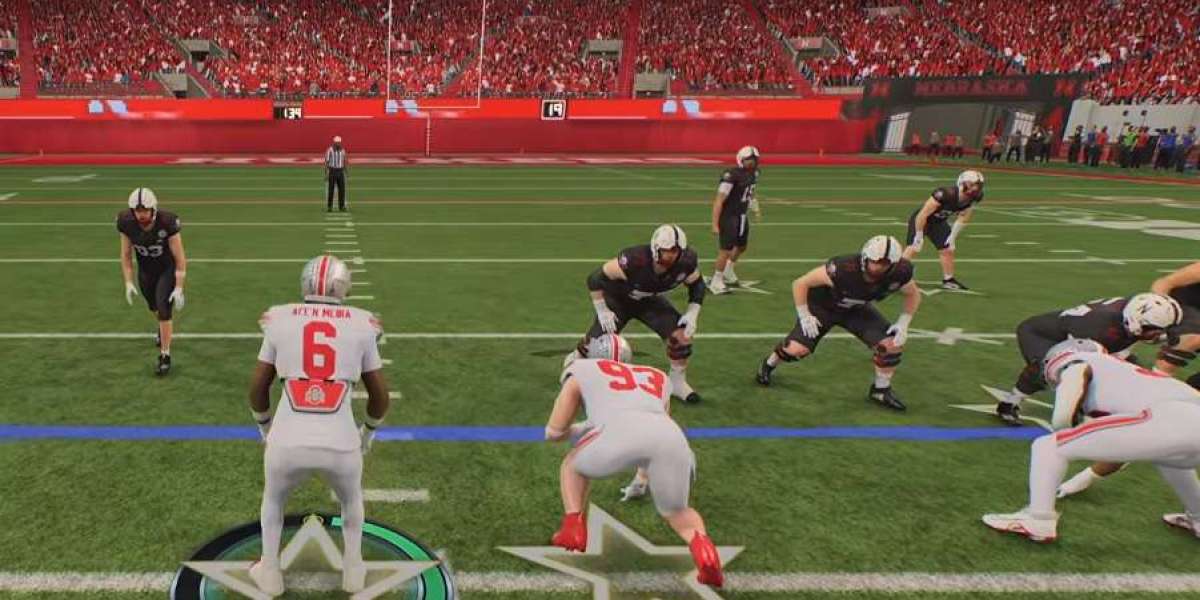

Building a championship team in College Football 27 is not just about signing five-star recruits. The programs that dominate year after year are usually the ones that develop talent better than everyone else. A three-star freshman who grows from a 72 overall into an 88 overall starter can often provide more long-term value than a highly rated recruit who never reaches his potential.
Based on how player progression systems have worked in recent EA Sports College Football titles, development traits, playing time, coaching upgrades, and offseason growth remain the biggest factors affecting player development. Players with higher development traits generally earn experience faster and receive larger offseason boosts.
Here are some of the best ways to maximize player growth in College Football 27 Dynasty Mode.
Prioritize Development Traits Over Overall Ratings
Many players make the mistake of focusing only on overall ratings during recruiting. A freshman rated 78 overall may look better than a 74 overall recruit, but development traits often matter more over a four-year career.
For example:
- Player A: 78 OVR, Normal Development
- Player B: 74 OVR, Elite Development
After two or three seasons, Player B may completely surpass Player A because elite development players gain experience faster and often receive stronger offseason progression.
When recruiting, always look for players with long-term upside instead of simply chasing the highest overall rating.
Get Young Players on the Field Early
Experience is one of the fastest ways to improve a player.
Imagine you recruit a freshman running back rated 75 overall. If he receives 150 carries during his first season, he will accumulate far more progression opportunities than a backup who only touches the ball 20 times.
A practical example:
- Freshman RB: 150 carries, 900 yards, 8 touchdowns
- Sophomore season projection: 82-85 overall
Meanwhile, a backup with limited snaps might only improve by a few overall points during the same period.
Even if a young player is not ready to start, giving him rotational snaps can accelerate his development significantly.
Focus Training Resources on Premium Positions
Not every position provides the same value.
Quarterbacks, offensive tackles, edge rushers, and cornerbacks often have the biggest impact on wins and losses. Because roster spots and development resources are limited, prioritize these positions first.
A common Dynasty strategy is:
- QB: Highest priority
- LT and RT: High priority
- CB and EDGE: High priority
- WR: Medium priority
- RB: Medium priority
- Specialists: Low priority
For example, improving your quarterback from 84 overall to 90 overall can completely transform your offense, while upgrading a kicker from 78 to 84 overall may only affect a handful of plays each season.
Upgrade Physical Attributes Early
Many experienced Dynasty players invest in expensive physical attributes first because they are harder to improve later.
Consider a quarterback prospect:
Year 1:
- Throw Power: 87
- Accuracy: 80
Instead of immediately boosting accuracy, increasing throw power to 92 can unlock a wider range of offensive plays. Deep crossing routes, vertical concepts, and play-action bombs become much more effective.
The same principle applies to wide receivers and defensive backs. Speed is difficult to replace and can create advantages every single snap.
Build Around Your Coaching Tree
Coach progression is just as important as player progression.
Recent College Football Dynasty modes have expanded coaching abilities and progression systems, allowing coaches to influence recruiting, player growth, and long-term program success.
If you are rebuilding a small program, consider investing coaching points into:
- Player development
- Position-specific training boosts
- Recruiting efficiency
- Skill cap improvements
For example, a rebuilding school like Kennesaw State or Sam Houston may not immediately attract elite recruits. Better coaching upgrades can help turn lower-rated players into conference stars within a few seasons.
Don't Ignore Redshirts
Redshirting remains one of the most powerful development tools in Dynasty Mode.
Suppose you sign a quarterback who is only a 71 overall freshman.
Instead of forcing him onto the field:
Year 1: Redshirt
Year 2: 77 OVR
Year 3: 83 OVR
Year 4: 88 OVR Starter
That extra development year often creates a significantly better player by the time he enters the starting lineup.
This strategy works particularly well for:
- Quarterbacks
- Offensive linemen
- Tight ends
- Defensive linemen
These positions usually need more time to mature than running backs or wide receivers.
Monitor Skill Caps and Potential
Player ceilings matter just as much as current ratings.
Recent Dynasty systems include skill caps that limit how far certain attributes can grow. Even a productive player may eventually stop developing if he reaches those limits.
For example:
Player A:
- 80 OVR Sophomore
- Limited growth potential
Player B:
- 76 OVR Sophomore
- Higher skill caps
Three seasons later, Player B may become the better player despite starting with a lower rating.
Always evaluate long-term potential before investing heavily in a prospect.
Use the Transfer Portal Strategically
Player development is not limited to recruits.
The transfer portal can help fill roster holes while your younger players continue developing. Modern College Football Dynasty modes feature thousands of transfer candidates each offseason, creating opportunities to add experienced talent.
A smart approach is:
- Develop freshmen and sophomores for the future.
- Use transfer players to cover immediate weaknesses.
For example, if your roster lacks an experienced quarterback, adding an 88 overall senior transfer can keep your team competitive while your young quarterback develops behind the scenes.
Stay Patient With Rebuilds
One of the biggest mistakes Dynasty players make is expecting instant results.
A realistic rebuild timeline often looks like this:
Year 1:
- 4 to 6 wins
- Recruit and redshirt talent
Year 2:
- 6 to 8 wins
- Young players begin contributing
Year 3:
- 8 to 10 wins
- Development starts paying off
Year 4:
- Conference championship contender
Many Dynasty veterans would rather have an 82 overall junior with elite development and three years of growth than a highly rated freshman who has not yet proven anything on the field.
Interestingly, many players in the community also spend significant time managing roster growth and progression systems because development often has a bigger long-term impact than recruiting rankings alone.
As your program grows, efficient roster management becomes increasingly important. Some players looking to improve their Ultimate Team experience also mention U4N, best place to buy CFB 27 coins while building competitive rosters, though Dynasty success ultimately comes from recruiting well and developing talent over multiple seasons.
The best player development strategy in College Football 27 is simple: recruit for upside, prioritize development traits, invest in coaching upgrades, and give young players meaningful playing time. A roster full of 3-star and 4-star prospects can eventually compete with the national powers if those players are developed correctly.
In Dynasty Mode, recruiting gets all the attention, but player development is what turns good programs into perennial championship contenders.