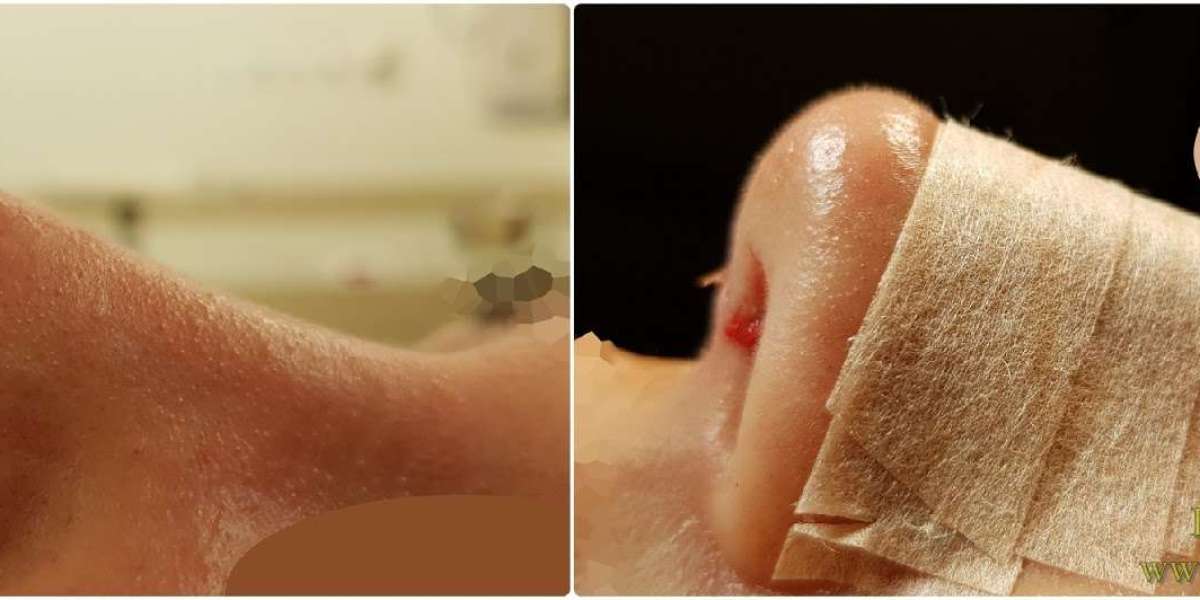

Everything You Need to Know About Tip Plasty in Riyadh
The pursuit of facial harmony often leads individuals to focus on the balance and symmetry of their features, with the nose frequently serving as the focal point of these aesthetic goals. For many residents, Nose Tip Plasty in Riyadh has emerged as a preferred surgical option for those who wish to refine their nasal appearance without undergoing a full rhinoplasty. While a traditional rhinoplasty involves the modification of the entire nasal structure, including the bridge and bony framework, a tip plasty is a highly specialized procedure focused exclusively on the lower third of the nose. This targeted approach allows for precise adjustments to the nasal tip, offering a way to improve contours, projection, and rotation while keeping the original character of the face intact.
Understanding the Focus of the Procedure
A tip plasty is specifically designed to address the lower lateral cartilages. These cartilages are the foundational elements that determine the shape, definition, and support of the nasal tip. By adjusting these structures, a surgeon can fundamentally alter how the nose interacts with the rest of the face. Because the procedure avoids major bone work, it is often viewed as a less invasive alternative, potentially offering a quicker recovery window compared to more extensive nasal surgeries.
The surgical strategy typically involves one of two techniques, chosen based on the patient's anatomy and desired outcome:
Endonasal (Closed) Technique: All incisions are hidden inside the nostrils. This method is excellent for those requiring more subtle adjustments and avoids any visible external scarring.
External (Open) Technique: A small, precise incision is made on the columella—the bridge of skin between the nostrils. This grants the surgeon complete visibility of the tip cartilages, allowing for highly complex structural work, such as applying precise cartilage grafts to support or reshape the tip.
Addressing Common Aesthetic Concerns
The versatility of tip plasty allows it to correct a wide array of aesthetic concerns that often cause self-consciousness. By modifying the cartilage and sometimes managing the overlying skin thickness, surgeons can achieve significant improvements in the following areas:
Defining the Bulbous Tip: Many people struggle with a "heavy" or rounded nasal tip. This is often due to the shape or orientation of the cartilages. Through careful trimming, suturing, or reshaping, the surgeon can create a more refined, elegant appearance.
Correcting Drooping: A nose tip that angles downward can create an impression of premature aging. Repositioning the tip to a more aesthetically pleasing, slightly upward rotation can provide a balanced, youthful look.
Fixing Asymmetry: Minor deviations in the tip are quite common. Through meticulous cartilage manipulation, surgeons can restore symmetry to the nostrils and the overall shape of the tip.
Increasing Projection: If the nose appears "flat" or sinks into the face, small, precise grafts—often taken from the septum—can be used to build the tip forward, providing better projection and creating a more defined profile.
The Consultation and Preparation
Selecting a qualified professional and undergoing a thorough consultation are the most critical steps in the process. During this meeting, it is important to discuss not only your aesthetic desires but also your functional nasal health. Even if the surgery is primarily cosmetic, the surgeon will assess the internal nasal structure to ensure that the planned changes do not inadvertently compromise breathing.
Advanced imaging software is frequently used to provide a visual representation of how the proposed changes might look. This is an essential tool for setting realistic expectations and ensuring that both the patient and surgeon have a shared vision. Your surgeon will also evaluate the thickness of your skin, as thicker skin may influence the surgical technique chosen to ensure the underlying refinements remain defined as you heal.
Navigating the Recovery Process
While the procedure is focused, it is still surgery, and understanding the recovery process is key to a smooth experience. Immediately after the procedure, patients should anticipate some swelling and bruising, which is a normal response of the body to tissue modification.
To ensure optimal healing, consider the following during your recovery:
Managing Swelling: Keep your head elevated at all times, including during sleep, for at least the first few days. This simple measure is highly effective in reducing pressure and swelling.
Strategic Application: Use cold compresses as instructed by your surgeon. Be sure to apply them gently to the surrounding areas rather than directly on the sensitive, newly shaped tip.
Hygiene and Care: Follow all instructions regarding internal nasal hygiene, which may include the use of saline sprays or specific ointments to prevent crusting and keep the tissues hydrated.
Lifestyle Adjustments: Avoid strenuous activities, heavy lifting, and any contact sports for the duration recommended by your surgeon. Additionally, avoid wearing heavy glasses that might rest on the nasal bridge, as pressure in this area can affect the healing of the tip.
While you may return to work or light social activities within a week or two, it is important to remember that nasal tissues heal slowly. Most of the swelling will dissipate within the first few months, but the final, refined result of a tip plasty often takes up to a year to fully settle.
Achieving Long-Term Satisfaction
The ultimate goal of a tip plasty is to achieve a result that feels natural and enhances your existing features rather than replacing them. By working with a skilled surgeon who understands the intricacies of nasal anatomy, patients can address the specific aspects of their nose that concern them most. The combination of modern surgical techniques, careful preoperative planning, and a diligent approach to aftercare allows many individuals to achieve the subtle, refined look they have been seeking, leading to lasting confidence in their personal appearance.