
Revitalize Your Hands: A Comprehensive Guide to Riyadh Treatments
The skin on our hands is often the first area to betray our true age, yet it remains one of the most frequently overlooked aspects of a comprehensive skincare regimen. Hand Rejuvenation in Riyadh has become an increasingly popular focus for those who wish to align the appearance of their hands with the youthfulness of their faces. Because the dorsal skin of the hand is exceptionally thin, it lacks the fatty padding found in other parts of the body, making it highly susceptible to the visible effects of collagen loss, sun damage, and environmental stress. In a climate defined by intense solar radiation, protecting and restoring this delicate area requires a sophisticated blend of dermatological expertise and targeted cosmetic intervention. Whether you are contending with unwanted pigment changes, visible vasculature, or a decrease in skin suppleness, modern aesthetic medicine offers a diverse array of pathways to restore vitality and smoothness.
Assessing the Signs of Hand Aging
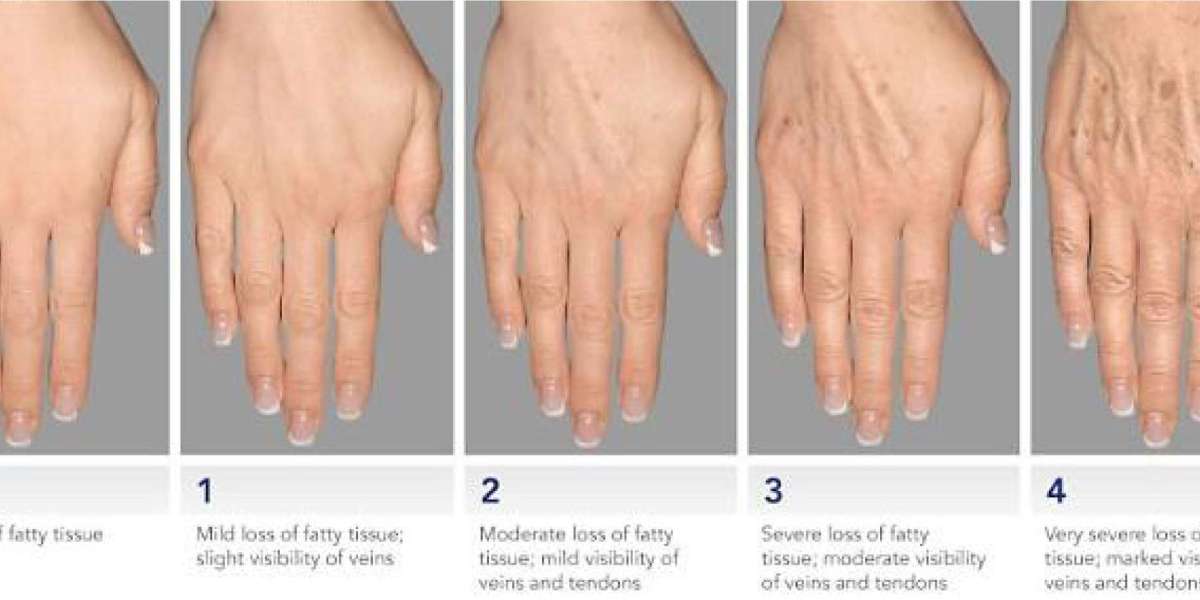
Aging in the hands manifests differently than it does on the face. While facial aging is often characterized by sagging and deep folds, hand aging is primarily defined by atrophy—the thinning of the skin and the loss of the subcutaneous fat pads that naturally cushion the area. This volume depletion causes tendons, knuckles, and veins to become increasingly prominent, which many patients associate with a skeletal or "aged" look.
In addition to structural changes, chronic ultraviolet (UV) exposure leads to the development of solar lentigines, or age spots. These clusters of hyperpigmentation are common in regions with high year-round sun exposure. Furthermore, the skin may lose its natural moisture barrier, leading to a papery texture and a reduced ability to recover from minor irritations. Recognizing these distinct factors—volume loss, pigmentation, and skin texture—is crucial for developing a structured plan that yields natural, aesthetically pleasing results.
Restoration Through Dermal Fillers
One of the most effective non-surgical interventions for hands is the use of injectable dermal fillers. Much like their application in facial contouring, fillers are used here to replace lost volume beneath the surface. Hyaluronic acid fillers, for example, are highly regarded for their ability to bind moisture and provide immediate, supple lift to the skin. Other options, such as calcium hydroxylapatite, offer a dual-action benefit: they provide an instant volumizing effect while simultaneously stimulating the body’s own collagen production over the following months.
The procedure is minimally invasive and requires little to no downtime, making it a convenient choice for busy professionals. A skilled practitioner will carefully place the product using advanced techniques—such as cannula-based delivery—to ensure a smooth, uniform distribution that avoids lumps and integrates seamlessly with the surrounding tissue. The result is a hand that looks fuller, softer, and more rejuvenated, successfully masking the underlying veins that often cause self-consciousness.
Addressing Pigmentation and Surface Quality
While fillers address the structural foundation of the hands, surface-level concerns such as uneven skin tone and dark spots require a different approach. Chemical peels and laser therapies are the gold standard for refining the skin’s surface.
Professional Chemical Peels: These treatments involve the application of a clinical-grade exfoliating solution that carefully removes the damaged, outermost layers of the skin. This triggers a controlled healing response, encouraging the growth of new, healthier skin cells that are clearer and more uniform in tone.
Laser Resurfacing: For deeper pigmentation issues, fractional lasers are often recommended. These devices create microscopic treatment zones that bypass healthy tissue to target specific areas of excess pigment. The light energy breaks down melanin clusters while also triggering a deep-tissue remodeling effect that improves the overall thickness and elasticity of the skin.
Intense Pulsed Light (IPL): This technology uses broad-spectrum light to target darker patches of pigment and vascular redness simultaneously. It is an excellent choice for individuals who want to improve skin brightness without the recovery time associated with more aggressive resurfacing procedures.
The Role of Collagen Stimulation
Beyond fillers and resurfacing, there is a growing interest in regenerative aesthetic treatments that promote long-term skin health. Techniques such as Platelet-Rich Plasma (PRP) therapy leverage the body's own natural healing factors. By concentrating platelets from a patient's own blood and introducing them back into the dermal layer of the hand, practitioners can stimulate cellular regeneration.
This process improves skin density and enhances texture from the inside out. Unlike traditional fillers that provide volume, PRP and similar bio-stimulating treatments focus on increasing the skin's biological resilience. For many, this is the ideal "preventative" approach, as it supports the structural integrity of the hands over time, potentially delaying the need for more invasive or repetitive treatments.
Integrating Care into Your Lifestyle
True rejuvenation is not achieved through a single session; it is the result of consistent care and professional guidance. Following any clinical procedure, the skin is particularly sensitive and requires dedicated protection. Because the hands are continuously exposed to environmental elements, a robust daily sunscreen application is non-negotiable. Using high-SPF products formulated for the body helps prevent the return of sun-induced hyperpigmentation and shields existing collagen from further degradation.
Moreover, the quality of one's home skincare routine significantly influences the longevity of clinical results. Incorporating antioxidants like Vitamin C, which combats oxidative stress, and ceramides, which support the moisture barrier, can significantly enhance the suppleness of the skin. It is also advisable to avoid harsh sanitizers or soaps that can strip the skin of its natural oils, opting instead for gentle cleansers and deeply hydrating lotions.
Crafting Your Individualized Plan
Because every individual’s skin has different needs, the most successful outcomes stem from a personalized assessment. During a consultation, a practitioner will analyze the specific ratio of volume loss versus surface damage. For some, a single treatment may be sufficient, but for most, a combination approach—pairing volume restoration with surface rejuvenation—provides the most comprehensive improvement. By selecting a treatment plan tailored to your skin’s unique history and current condition, you can achieve hands that look revitalized, healthy, and perfectly in sync with your rejuvenated face and body.