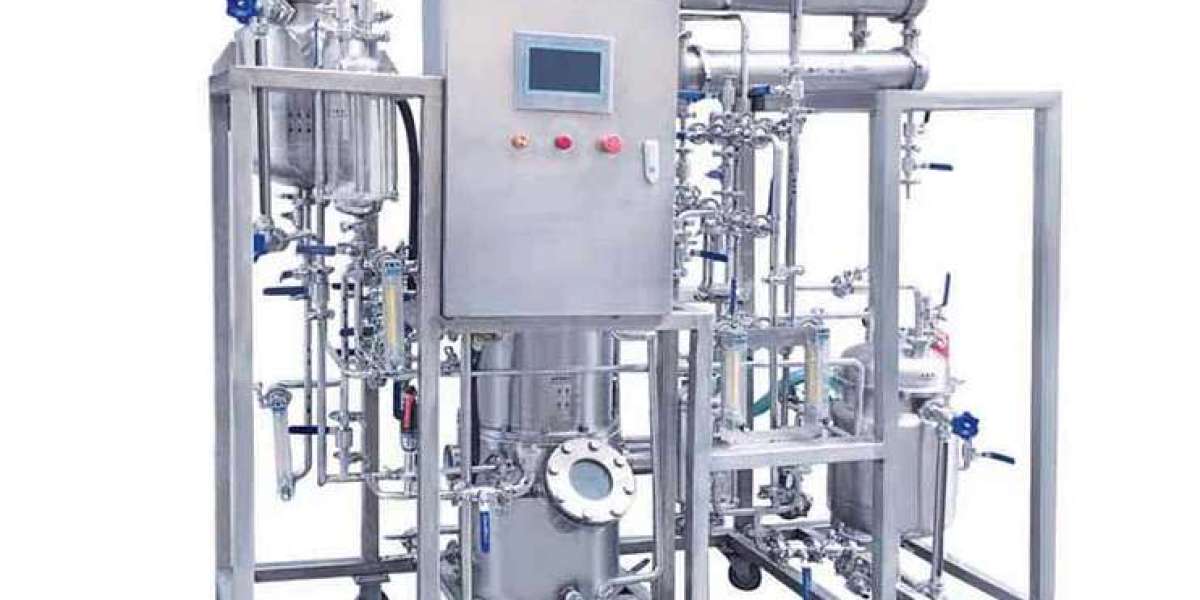

A Distillation Unit is a key component in many processing facilities where liquid mixtures need to be separated into individual fractions. The principle behind distillation is based on differences in boiling points among various substances. By carefully heating a mixture and controlling vapor flow, a Distillation Unit can divide feed materials into streams with different compositions.
In many industrial environments, the Distillation Unit operates continuously. Raw materials enter the system and move through a series of stages where temperature and pressure conditions are controlled. As the mixture heats up, lighter components vaporize earlier than heavier components. The vapor then travels through a column where repeated condensation and evaporation help improve separation efficiency.
The design of a Distillation Unit often includes a distillation column, reboiler, condenser, pumps, piping, and monitoring instruments. Each part contributes to the movement and treatment of process fluids. The reboiler supplies heat to the lower section of the column, while the condenser cools vapor at the top. This combination creates a continuous circulation pattern that supports stable operation.
A Distillation Unit can be found in chemical manufacturing, solvent recovery, fuel processing, pharmaceutical production, and food ingredient processing. Different industries may use customized configurations depending on product characteristics and production goals. Some facilities require high-purity outputs, while others focus on recovering valuable materials from process streams.
Process engineers often pay close attention to factors such as feed composition, operating pressure, temperature distribution, and energy consumption. Adjusting these variables can influence product quality and overall performance. Modern systems frequently incorporate digital controls that help operators monitor conditions and respond to process changes in real time.
Maintenance also plays an important role in the operation of a Distillation Unit. Regular inspection of trays, packing materials, heat exchangers, and control devices helps maintain reliable performance. Scheduled cleaning can reduce fouling and support efficient heat transfer throughout the system.
As industries continue to seek efficient resource utilization, the Distillation Unit remains an important technology for separating and refining materials. Ongoing developments in equipment design, process automation, and energy management contribute to its continued use across a wide range of production environments.
https://www.cxcemachine.com/product/highgravity-distillation-rotating-zigzag-bed/