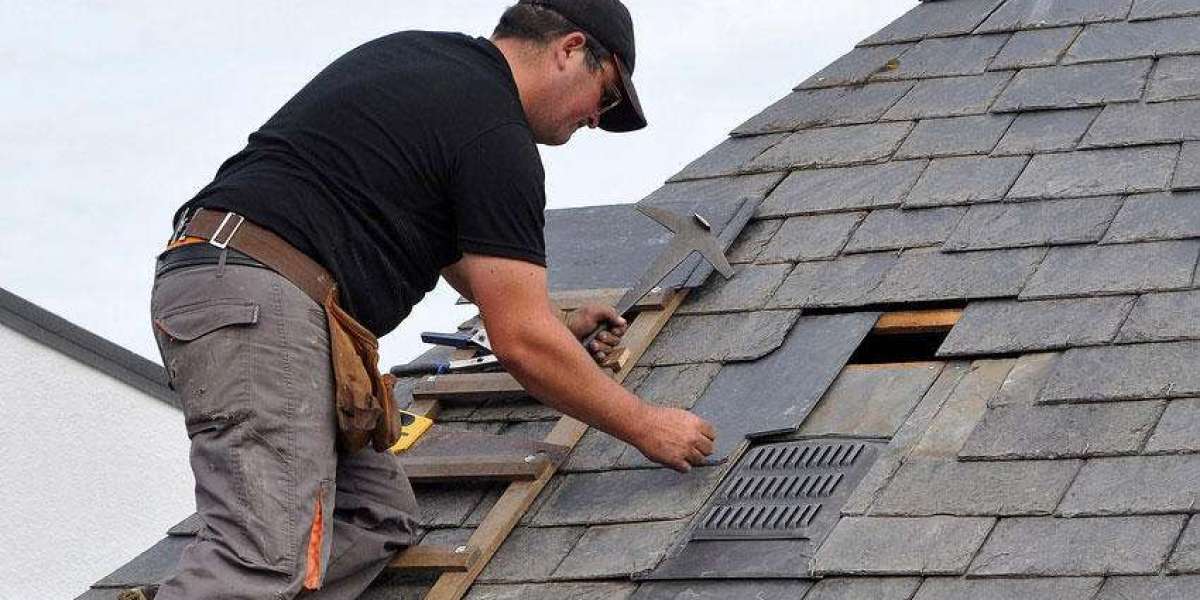

A leaking roof is one of the most common yet serious problems homeowners face. Even a small leak can lead to costly repairs if left untreated. Water infiltration can damage ceilings, walls, insulation, electrical systems, and even the structural integrity of your home. That's why roof leak repair should never be delayed. Identifying the source of the leak early and addressing it promptly can save homeowners thousands of dollars in future repairs.
Whether your roof has been damaged by severe weather, aging materials, or poor installation, understanding the causes, warning signs, and repair solutions is essential. This guide explores everything you need to know about roof leak repair, helping homeowners make informed decisions while maintaining the safety and value of their property.
Understanding the Common Causes of Roof Leaks
Roof leaks can occur for several reasons, and identifying the root cause is the first step toward an effective repair. Some of the most common causes include:
Damaged or Missing Shingles
Shingles act as the first line of defense against rain, snow, and wind. Over time, they can crack, curl, loosen, or go missing due to storms or natural aging. Once shingles are compromised, water can easily penetrate the roof's underlying layers.
Flashing Failures
Flashing is the metal material installed around chimneys, vents, skylights, and roof valleys to prevent water intrusion. Damaged, rusted, or improperly installed flashing often becomes a major source of leaks.
Clogged Gutters
When gutters become filled with leaves, dirt, and debris, rainwater cannot flow away efficiently. Instead, water pools on the roof and eventually seeps beneath roofing materials.
Cracked Roof Vents
Roof vents are necessary for proper attic ventilation, but cracked vent boots or damaged seals can create openings where water enters during rainfall.
Aging Roofing Materials
Every roofing system has a limited lifespan. Asphalt shingles typically last between 20 and 30 years, while other materials have varying durability. As roofs age, they become more susceptible to leaks and weather-related damage.
Storm Damage
Heavy rain, hail, high winds, and falling tree branches can all damage roofing materials. Even if the damage appears minor, it can create entry points for water.
Signs That Indicate You Need Roof Leak Repair
Roof leaks are not always obvious. In many cases, water travels before becoming visible inside the home. Homeowners should watch for these warning signs:
- Water stains on ceilings or walls
- Peeling paint or bubbling wallpaper
- Mold or mildew growth
- Damp insulation in the attic
- Dripping water during rainfall
- Missing, cracked, or curled shingles
- Sagging roof sections
- Higher indoor humidity levels
- Musty odors in upper floors
Addressing these issues early prevents further structural deterioration and mold development.
Why Immediate Roof Leak Repair Is Important
Ignoring a roof leak rarely makes the problem disappear. Instead, the damage typically spreads throughout the home. Prompt roof leak repair offers several important benefits.
Prevents Structural Damage
Continuous water exposure weakens wooden framing, roof decking, and support beams. Over time, this can compromise the stability of the entire roofing structure.
Reduces Mold Growth
Moisture trapped inside walls and ceilings creates ideal conditions for mold and mildew. Mold not only damages building materials but may also affect indoor air quality.
Protects Interior Finishes
Leaks can ruin drywall, flooring, furniture, insulation, and personal belongings. Early repairs minimize interior restoration costs.
Saves Money
Repairing a small leak is significantly less expensive than replacing an entire roof or repairing severe water damage throughout the home.
Increases Roof Lifespan
Routine maintenance and timely leak repairs extend the life of roofing materials, delaying the need for a complete roof replacement.
The Roof Leak Repair Process
Professional roof leak repair follows a systematic approach to ensure the problem is completely resolved.
Roof Inspection
A thorough inspection identifies visible and hidden sources of leaks. Contractors examine shingles, flashing, vents, valleys, skylights, gutters, and attic spaces.
Leak Detection
Since water often travels before becoming visible indoors, professionals trace the leak to its original entry point using specialized inspection techniques.
Removing Damaged Materials
Damaged shingles, flashing, underlayment, or rotten decking are carefully removed to expose the affected area.
Repairing the Roof Structure
If moisture has damaged the roof decking or supporting wood, these components are replaced before installing new roofing materials.
Installing New Roofing Components
Replacement shingles, flashing, vent boots, sealants, and waterproof barriers are installed to restore complete weather protection.
Final Inspection
After repairs are completed, contractors perform a final inspection to verify the roof is fully sealed and functioning correctly.
DIY vs. Professional Roof Leak Repair
Many homeowners consider repairing roof leaks themselves to save money. While simple maintenance tasks may be manageable, roof leak repair often requires professional expertise.
DIY Repairs
Minor issues such as cleaning gutters or replacing a single damaged shingle may be suitable for experienced homeowners with proper safety equipment.
However, DIY repairs carry risks, including:
- Misidentifying the source of the leak
- Incomplete waterproofing
- Personal injury from working at heights
- Voiding roofing warranties
Professional Repairs
Professional roofing contractors have the experience, tools, and knowledge needed to diagnose and repair leaks accurately. They also understand local building codes and manufacturer installation requirements.
Hiring professionals provides long-term reliability and reduces the likelihood of recurring problems.
Preventing Future Roof Leaks
Preventive maintenance plays a vital role in reducing the need for future roof leak repair. Homeowners can protect their roofs by following these maintenance practices.
Schedule Annual Roof Inspections
Professional inspections identify small problems before they become major repairs.
Keep Gutters Clean
Removing leaves and debris ensures proper drainage and prevents water backup.
Trim Overhanging Trees
Branches rubbing against roofing materials can damage shingles and increase the risk of storm-related damage.
Check Attic Ventilation
Proper ventilation reduces moisture buildup and helps prevent condensation that may mimic roof leaks.
Replace Damaged Shingles Promptly
Even one missing shingle can allow water to penetrate the roofing system.
Inspect After Storms
Following heavy rain, hail, or strong winds, inspect the roof for visible signs of damage and schedule repairs if necessary.
Choosing the Right Roofing Contractor
Selecting a qualified roofing contractor is just as important as repairing the leak itself. Consider the following factors when hiring a professional:
- Verify licensing and insurance.
- Check online reviews and customer testimonials.
- Ask about experience with similar roofing systems.
- Request a written estimate.
- Confirm warranty coverage on labor and materials.
- Ensure the contractor performs a full roof inspection before recommending repairs.
Working with an experienced contractor helps ensure quality workmanship and lasting results.
Understanding Roof Repair Costs
The cost of roof leak repair depends on several factors, including:
- Size of the damaged area
- Roofing material type
- Accessibility of the roof
- Extent of water damage
- Need for structural repairs
- Local labor rates
Small repairs may cost relatively little, while extensive water damage requiring structural restoration can be significantly more expensive. Investing in timely repairs almost always costs less than delaying maintenance.
When Roof Replacement May Be a Better Option
Sometimes repairing individual leaks is no longer the most cost-effective solution. Roof replacement may be recommended when:
- The roof has reached the end of its expected lifespan.
- Multiple leaks occur across different sections.
- Significant structural damage is present.
- More than 30% of the roofing materials require replacement.
- Repeated repairs have failed to solve ongoing problems.
A professional inspection can determine whether repair or replacement provides the best long-term value.
The Importance of Routine Roof Maintenance
Regular maintenance is one of the smartest investments homeowners can make. Seasonal inspections, prompt repairs, and routine cleaning significantly reduce the likelihood of major leaks. A well-maintained roof protects the home's structure, improves energy efficiency, enhances curb appeal, and preserves property value.
Ignoring minor roofing issues often results in expensive repairs that could have been avoided through proactive maintenance. By paying attention to early warning signs and addressing them quickly, homeowners can enjoy peace of mind during every season.
Conclusion
Roof leak repair services is an essential part of responsible home maintenance. Even a small leak can lead to significant structural damage, mold growth, higher repair costs, and reduced property value if left unresolved. Understanding the common causes of roof leaks, recognizing early warning signs, and taking immediate action can protect your home from long-term damage.
Whether the issue involves damaged shingles, faulty flashing, clogged gutters, or storm-related damage, timely professional repairs ensure your roof continues to provide reliable protection. Combined with regular inspections and preventive maintenance, investing in roof leak repair helps extend the lifespan of your roofing system while keeping your home safe, dry, and comfortable for years to come.