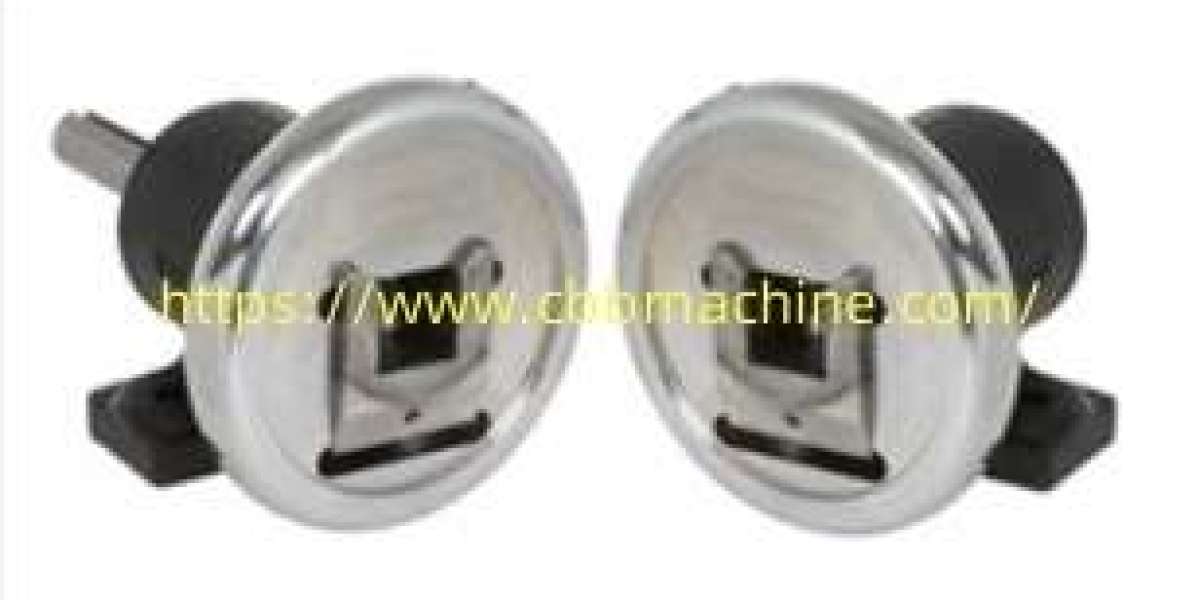

In many modern industrial winding and unwinding systems, a well-designed Safety Chuck plays a vital role in ensuring smooth torque transmission, fast roll change, and safe shaft engagement.
This mechanical device is primarily used in processes that involve rotating shafts, such as slitting, laminating, printing, and paper converting. By functioning as a mechanical coupling that holds and releases the shaft quickly, it minimizes downtime while enhancing worker safety. It works best when combined with air shafts or expanding shafts that fit perfectly into the chuck's insert.
There are two main types: foot-mounted and flange-mounted. Foot-mounted types are installed directly onto the floor or base, while flange-mounted models attach to a machine sidewall. The mounting style depends on the available machine layout and shaft alignment requirements. Both versions allow for fast load and unload operations, increasing system productivity without sacrificing operational safety.
One of the key features is the insert design. Inserts can be square, triangle, or customized, depending on the shaft type. These inserts are designed to hold the shaft securely during operation but also allow quick disengagement when needed. In many applications, this flexibility is crucial for maintaining tight production schedules and reducing maintenance delays.
The locking mechanism is also significant. Most safety chucks are manually operated, but automatic locking options are also available for high-speed or remote-controlled operations. These safety features prevent accidental shaft release during machine operation, making them suitable for high-torque environments.
Another consideration is wear resistance. Because the insert is subject to friction, choosing a durable material is critical. High-grade steel inserts or those with replaceable bushings are common. These parts can be easily swapped without needing to replace the entire chuck assembly, which makes long-term maintenance both practical and economical.
In maintenance terms, regular inspection is necessary. Users should check for worn-out inserts, loose mounting bolts, and misalignment. Periodic lubrication may also be required, depending on the machine environment and the manufacturer's recommendations. Preventive maintenance ensures the equipment runs efficiently and minimizes risks related to mechanical failure.
Safety chucks are often overlooked in the design phase, but they significantly affect machine reliability. When combined with other components such as mechanical expanding chucks or pneumatic shafts, the entire web handling system can be optimized for speed and safety. For those seeking robust, serviceable, and high-performance options, investing in quality materials and correct installation pays off in the long term.
To explore more detailed functions, design types, and maintenance tips, visit https://www.cbbmachine.com/news/industry-news/safety-chucks-function-types-maintenance-and-more.html