
Isolation valve selection is often treated as interchangeable between plug, ball, and gate designs, but each offers distinct advantages depending on service conditions, space constraints, and maintenance philosophy. This guide compares the three valve types on technical merit to help engineers determine when a plug valve — and which plug valve manufacturer — is the right specification.
Sealing Mechanism Comparison
Plug Valves
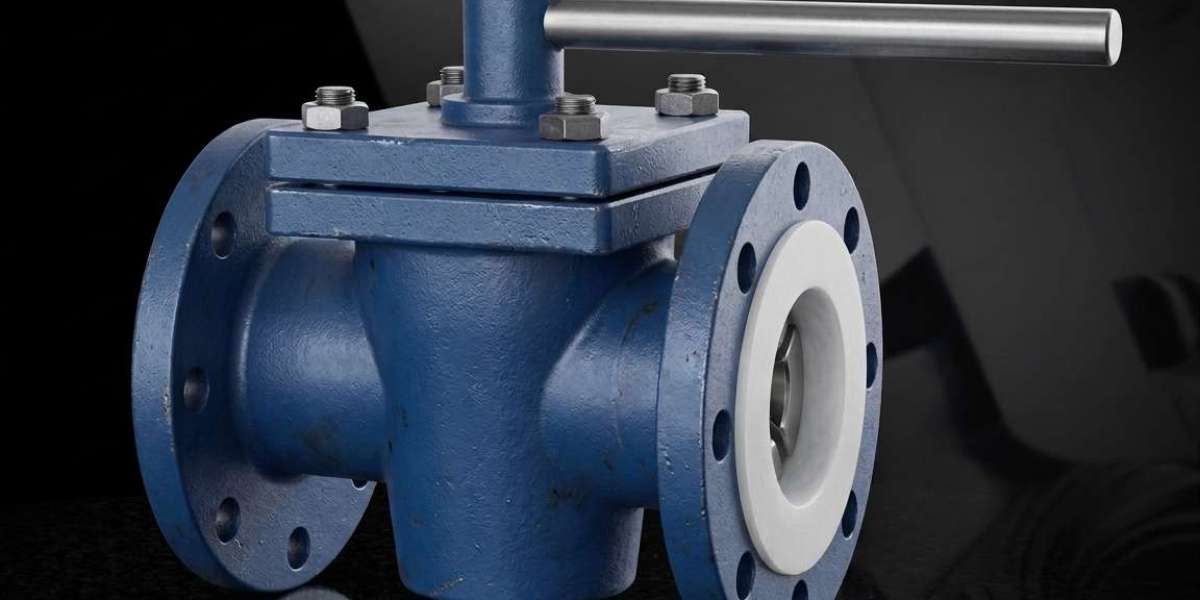
Plug valves seal via a tapered or cylindrical plug seated against the full body bore, offering a large sealing surface area and self-wiping action during rotation, which resists debris buildup better than a ball valve's smaller seat contact zone. Lubricated variants inject sealant between plug and body to maintain this seal under high-cycle or high-pressure conditions.
Ball Valves
Ball valves seal via a spherical closure element against two seats, offering excellent bubble-tight shutoff and lower operating torque than plug valves, but with a smaller seat contact area more susceptible to scoring from particulate service.
Gate Valves
Gate valves use a linear-motion wedge or parallel gate to block flow, offering minimal flow restriction when fully open but requiring multiple turns to operate and generally slower response than the quarter-turn plug or ball designs.
Operating and Maintenance Considerations
Non-lubricated sleeve-type plug valves require less routine maintenance than lubricated designs, while gate valves' multi-turn operation makes them unsuitable where fast emergency shutoff is required. Quarter-turn plug and ball valves both support faster automation with quarter-turn actuators. Where high-pressure or high-cycle service demands consistent sealing performance, engineers still specify lubricated plug valves — making the choice of best lubricated plug valve manufacturers an important factor in long-term reliability and sealant availability.
Standards Across Valve Types
Plug valve design follows API 599; ball valves follow API 6D or ASME B16.34; gate valves follow API 600 or API 6D. Regardless of type, fire-safe service should carry API 607 certification and hydrostatic/seat testing should follow API 598.
When to Choose a Plug Valve
Plug valves are the preferred choice where particulate or slurry content would compromise ball valve seat life, where multiport diverting functionality is needed in a single body, or where a lubricated design offers superior sealing consistency over ball valve alternatives in high-cycle isolation duty.
Evaluating Plug Valve Manufacturers
Confirm API 599 design compliance, sleeve or lubrication type suited to the application, sealant compatibility and re-lubrication interval data, and API 598 batch test certification with third-party witnessing available for critical orders — the criteria that separate the best lubricated plug valve manufacturers from suppliers offering generic, uncertified product.
Conclusion
Freture Techno Pvt. Ltd. manufactures plug, ball, and gate valves engineered to API 599, API 6D/ASME B16.34, and API 600 standards, helping engineers specify the right isolation valve for each application.
Not sure whether a plug, ball, or gate valve fits your application, or looking for the best lubricated plug valve manufacturers? Contact Freture Techno's engineering team for application-specific guidance and test certification.