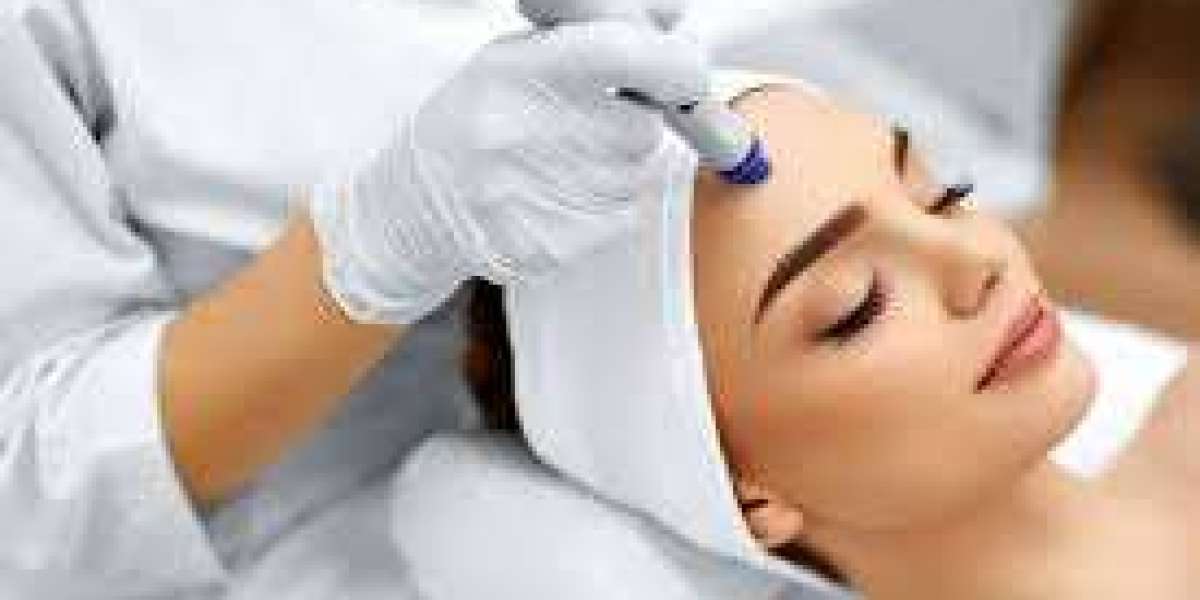

Raised scars can be frustrating, especially when they become thick, firm, itchy, or uncomfortable. For people looking for a smoother appearance, Keloid Treatment in Dubai may offer several approaches designed to reduce the size and visibility of these stubborn scars. The right option depends on the keloid’s location, size, age, and how the skin has responded to previous treatments.
Keloids develop when the body produces too much collagen during the healing process. Unlike ordinary scars, they can extend beyond the original wound and continue growing over time. They may appear after surgery, piercings, burns, acne, or even minor skin injuries. Although keloids are generally harmless, their raised texture and noticeable appearance can affect confidence and comfort.
What Makes Keloid Scars Different?
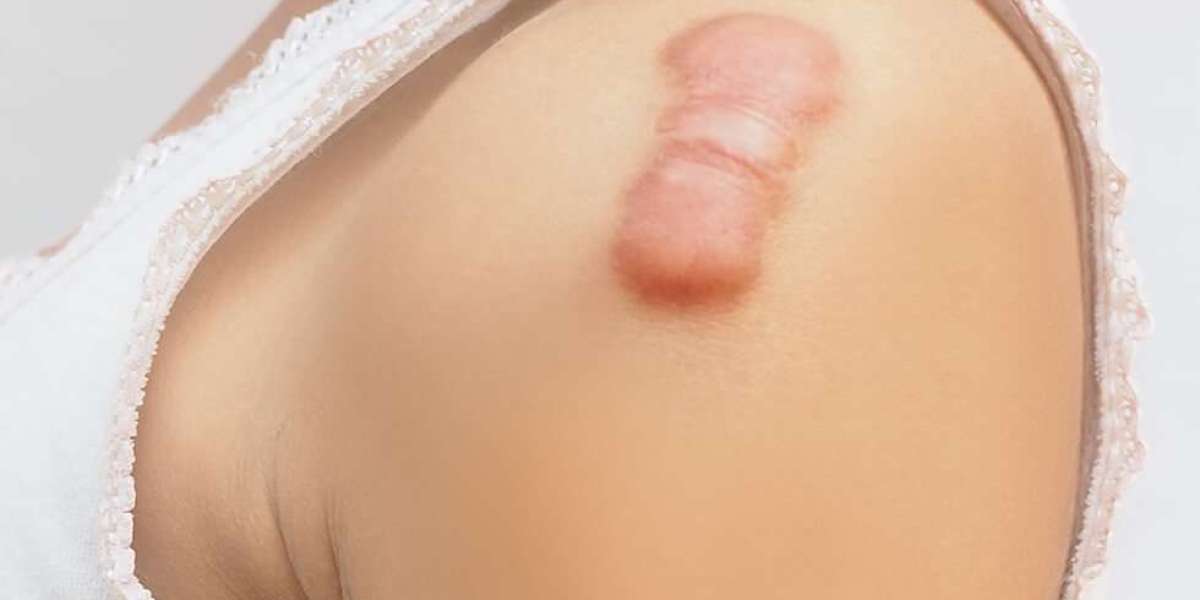
A keloid is more than a typical scar that has simply become slightly raised. It is an overgrowth of scar tissue that can gradually expand beyond the boundaries of the original injury. Some keloids remain small, while others become larger and more prominent as months or years pass.
Their appearance can vary depending on the individual and the area affected. Keloids may look pink, red, brown, or darker than the surrounding skin. They can also feel firm or rubbery when touched. In some cases, they cause itching, tenderness, or a sensation of tightness, particularly when they develop around joints or areas that experience frequent movement.
Because keloids behave differently from normal scars, treatment usually focuses on controlling excessive scar tissue rather than simply removing the visible mark.
Can Treatment Actually Flatten Thick and Raised Scars?
Yes, treatment can often help flatten and soften keloids, although results vary from person to person. The goal is generally to make the scar less raised, less noticeable, and more comfortable rather than promising complete removal.
Several factors can influence how well a keloid responds. These include its size, thickness, age, location, and whether it has been treated previously. Newer and smaller keloids may respond differently from long-standing, thicker scars.
Common approaches may include:
- Corticosteroid injections to help reduce inflammation and flatten excessive scar tissue
- Silicone-based treatments that may support scar management over time
- Cryotherapy, which uses controlled cold to target raised scar tissue
- Laser-based procedures that may improve texture, colour, or thickness
- Surgical removal in selected cases, often combined with another treatment to reduce the risk of recurrence
The most appropriate approach is usually selected after assessing the individual scar and the surrounding skin.
How Does Keloid Treatment Work?
Keloid Treatment can involve different techniques depending on the characteristics of the scar. In many cases, the aim is to slow excessive collagen production, soften the scar, and gradually reduce its height.
For example, steroid injections may help shrink thick tissue by reducing collagen formation and inflammation. Cryotherapy can target the scar from within, while laser procedures may be considered when changes in texture or pigmentation are also a concern. Silicone sheets or gels may be recommended as part of ongoing scar care, particularly after certain procedures.
In some situations, a combination approach may be more suitable than relying on one method alone. However, treatment plans need to be carefully tailored because keloids have a tendency to return, particularly after surgical removal without additional preventive measures.
Who May Benefit From Keloid Scar Treatment?
People with raised scars that extend beyond the original wound may be potential candidates for treatment. However, suitability depends on several considerations, including the scar's condition and the person's overall skin health.
Treatment may be considered when a keloid:
- Has become noticeably thick or enlarged
- Causes persistent itching or tenderness
- Feels tight or uncomfortable
- Affects confidence because of its appearance
- Develops in a highly visible area
- Interferes with movement when located near a joint
A professional assessment is important before choosing a treatment method. This helps distinguish keloids from hypertrophic scars, which can also appear raised but typically remain within the boundaries of the original injury.
What Results Can You Expect?
The results of scar treatment can differ significantly between individuals. Some keloids may become flatter and softer, while others may require several treatment sessions or a combination of techniques. In addition, changes often happen gradually rather than immediately.
The colour and texture of a scar may also improve alongside its thickness. For some people, reducing the height of the keloid is the primary goal, while others may be more concerned about itching, discomfort, or visibility.
It is also important to understand that keloid management may require patience. Even when a scar becomes flatter, ongoing care may be recommended to help maintain the improvement and reduce the possibility of recurrence.
Why Is Professional Assessment Important?
Not every raised scar should be treated in exactly the same way. A professional evaluation can help determine whether the area is a true keloid, a hypertrophic scar, or another type of skin change. This distinction matters because treatment strategies can differ.
During an assessment, factors such as the scar's size, shape, location, colour, thickness, and history may be considered. Previous procedures and how the scar responded can also influence the next step.
Moreover, attempting to cut, puncture, or aggressively treat a keloid without appropriate guidance may increase irritation or contribute to further scar formation. A personalised treatment plan is therefore particularly important for people who have a history of developing raised scars.
How Can You Support Better Scar Management?
Professional treatment is only one part of managing keloid-prone skin. Following aftercare instructions carefully can also play an important role in supporting the skin during recovery.
Depending on the treatment provided, aftercare may include:
- Keeping the treated area clean and protected
- Following instructions about silicone products or dressings
- Avoiding unnecessary friction or irritation
- Protecting the area from excessive sun exposure
- Attending recommended follow-up appointments
- Reporting unusual changes or persistent irritation promptly
Consistency is especially important because keloid management often involves monitoring the scar over time rather than focusing only on its immediate appearance.
Can Keloids Come Back After Treatment?
Keloids can recur, even after they have been successfully reduced or removed. This is one of the main reasons why treatment planning and follow-up care matter. The likelihood of recurrence can depend on the treatment method, the individual's tendency to form keloids, and the location and characteristics of the scar.
For this reason, treatment may sometimes involve more than one technique. Preventive strategies may also be recommended after certain procedures to help control new scar formation. Regular monitoring allows changes to be identified earlier, which can make ongoing management more effective.
Conclusion
Thick and raised keloids can be challenging, but appropriate treatment may help flatten the scar, improve its texture, and reduce symptoms such as itching or tenderness. Since every keloid behaves differently, a personalised assessment is essential for choosing the most suitable approach and setting realistic expectations. For those exploring professional options for scar management, Dynamic Clinic can provide guidance based on the individual's skin and the characteristics of the keloid.