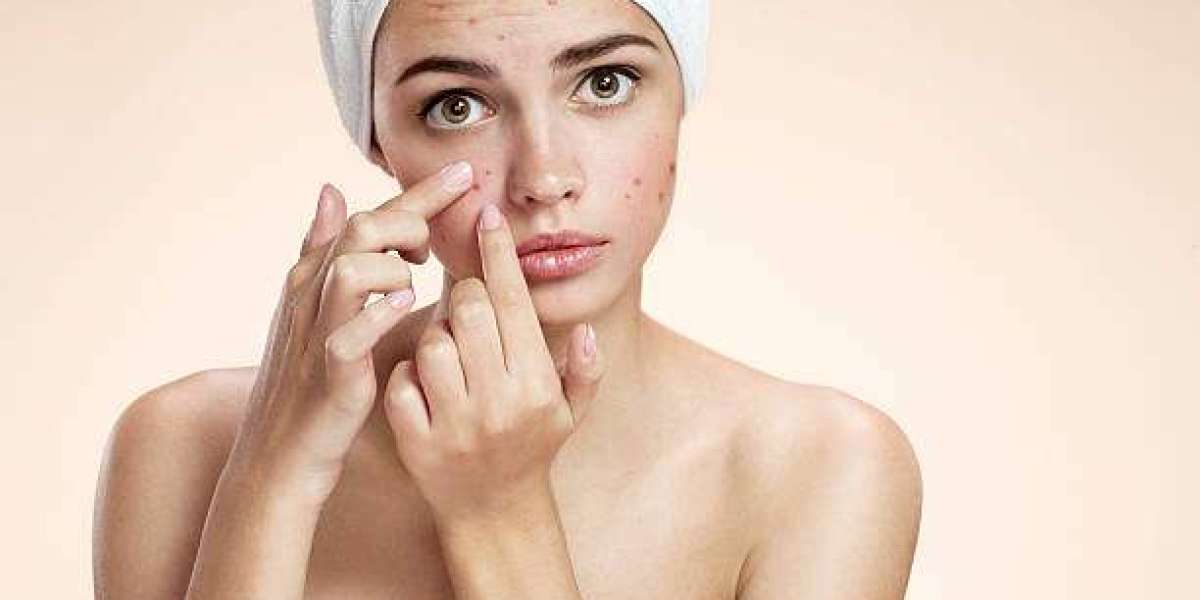

If you've ever noticed your skin breaking out more in the summer or winter, you are not imagining things. Your skin is highly responsive to environmental conditions like temperature, humidity, and UV exposure, and when those conditions shift, your skin must adjust . Acne Treatment in Riyadh During this adjustment, pores can clog more easily, oil production may spike, and inflammation often increases. The secret to avoiding seasonal acne lies in maintaining a proper skincare regimen for the season to keep your skin in balance .
Summer Flare-Ups: Managing Heat and Humidity
For many people, acne is at its worst during the summer. High temperatures and humidity stimulate oil glands, while sweat combines with sebum and dead skin cells to block pores . Outdoor activities can trap sweat under clothing or equipment, leading to friction-based acne known as acne mechanica. Backpacks, helmets, and tight workout gear are frequent culprits.
To manage summer acne, consider these adjustments:
Cleanse after sweating: Wash your face after sweating, especially after workouts, to remove pore-clogging residue .
Choose lightweight hydration: Swap heavy lotions for lightweight, gel-based, non-comedogenic moisturisers to keep skin hydrated without clogging pores .
Use oil-free sunscreen: Stick to oil-free, non-comedogenic sunscreens to avoid adding another layer of pore-clogging residue .
Wear breathable fabrics: Choose breathable fabrics to reduce friction and irritation .
Consider active ingredients: Use cleansers and spot treatments with benzoyl peroxide or salicylic acid to help clear pores and reduce bacteria .
Winter Flare-Ups: Combating Dryness and Barrier Disruption
Winter acne is often underestimated. Cold air and low humidity strip moisture from the skin, weakening its protective barrier. Meanwhile, indoor heating makes dryness worse . To compensate, your skin may produce extra oil, which leads to clogged pores and inflamed breakouts . Dry patches and irritation can also make acne more painful and harder to treat.
To treat and prevent winter acne:
Moisturise intelligently: Use a non-comedogenic, fragrance-free moisturiser with barrier-repairing ingredients like hyaluronic acid, ceramides, or niacinamide . Apply it immediately after cleansing while your skin is still slightly damp to lock in hydration .
Choose lukewarm water: Avoid hot showers, which can dry out your skin. Use lukewarm water when washing your face and body .
Add a humidifier: Use a humidifier indoors to combat dry air and add moisture back into your skin .
Avoid harsh exfoliants: Avoid harsh scrubs that damage your skin barrier and exfoliate only once or twice per week .
Keep up SPF: UV rays don't disappear in winter. Snow can reflect up to 80% of UV radiation, so daily SPF is essential .
Spring and Autumn: Navigating Transitions
Spring and autumn bring their own challenges. In spring, pollen and environmental allergens settle on the skin, triggering irritation and inflammation . Rising temperatures and humidity increase oil production, and frequent indoor-to-outdoor transitions create ongoing stress . In autumn, cooler temperatures and indoor heating can aggravate existing skin problems, making acne and other skin issues more pronounced .
During these transitional seasons:
Keep it simple: Focus on a gentle cleanser, lightweight moisturiser, and sun protection. Avoid overcomplicating your routine with too many active ingredients .
Manage inflammation: Incorporate ingredients like niacinamide or azelaic acid to calm inflammation and support the skin barrier .
Consider clay masks: Use a clay mask once or twice a week to absorb excess oil and reduce congestion, especially in humid conditions .
General Principles for All Seasons
Regardless of the season, consistency is key. A skincare routine that is simple, steady, and adaptable makes acne flare-ups less likely . Gentle cleansing twice daily removes oil, dirt, and bacteria without over-drying the skin. Daily moisturising, adjusted seasonally, supports the skin barrier. Sun protection year-round is non-negotiable, and targeted acne treatments should be adjusted for skin sensitivity .
For those seeking expert guidance and customized aesthetic care, you can book an appointment consultation at the Enfield Royal Clinic.
Frequently Asked Questions
Can allergies directly cause acne breakouts?
Allergies don't directly cause acne, but they can trigger inflammation and irritation that weaken the skin barrier and contribute to breakouts .
Is summer or winter worse for acne?
It depends on your skin type. People with oily skin often find summer more challenging, while those with sensitive or dry skin tend to struggle more in winter .
Why do I get more acne when the weather changes?
Your skin must adjust to changes in temperature, humidity, and UV exposure. These shifts can disrupt the skin barrier, leading to oil imbalances and inflammation .
Should I use the same moisturiser all year?
No. Adjust your moisturiser seasonally: lightweight gels in summer, richer creams in winter .
How can I prevent acne during seasonal transitions?
Keep your routine simple and consistent. Focus on gentle cleansing, lightweight hydration, sun protection, and avoid overusing harsh active ingredients .