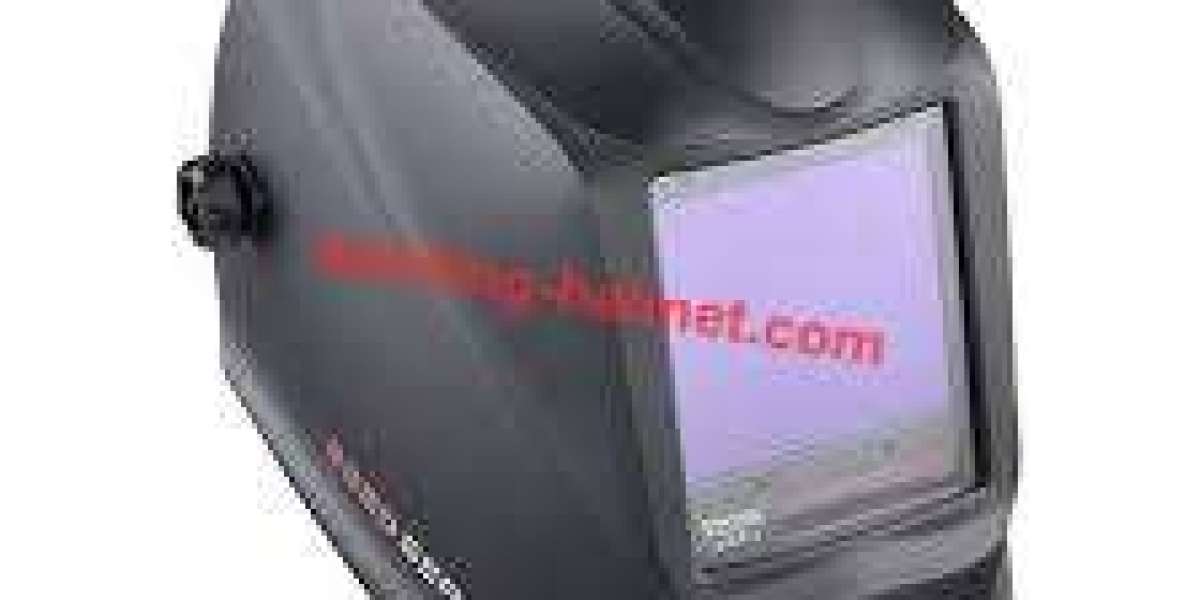

What Materials Are Used in a Welding Helmet Auto Darkening Lens? A Practical Guide for Modern Welding Applications
Choosing a welding helmet auto darkening lens involves far more than comparing appearance or shade settings. Every internal layer contributes to optical clarity, protection, durability, and operating comfort throughout demanding welding tasks. As an experienced manufacturer, welding-helmet continues exploring practical material combinations that support various industrial environments while helping users achieve stable performance during fabrication, maintenance, construction, and metal processing. What exactly makes these advanced lenses capable of responding to changing welding conditions?
A modern auto darkening lens is built through a carefully arranged multilayer structure rather than a single piece of glass. Each layer performs a specific function, allowing the lens to react quickly whenever an electric arc appears. The complete assembly is designed to maintain a clear viewing experience before welding begins and provide dependable protection immediately after the sensors detect intense light. Material compatibility plays an essential role because every component must function together without affecting visibility or user comfort during extended projects.
The outer protective surface commonly uses durable polycarbonate. This engineering material is valued because it resists impact, tolerates harsh workshop conditions, and shields the internal optical system from sparks, dust, scratches, and flying debris. Since welding environments frequently expose equipment to mechanical contact, this protective layer helps preserve lens integrity while reducing maintenance requirements throughout regular operation.
Beneath the protective cover lies a sophisticated liquid crystal filter assembly. Liquid crystal technology forms the heart of the automatic darkening process because it changes light transmission after receiving electronic signals from the control circuit. Transparent conductive films surround the liquid crystal layers, allowing electrical current to activate the optical transition smoothly. This arrangement enables welders to observe their workpiece clearly before ignition while automatically reducing brightness during active welding.
Polarizing filters are another essential material found inside the optical stack. These specialized films regulate incoming light, minimize unwanted glare, and improve visual contrast throughout the welding process. Stable light management supports accurate positioning, cleaner seam observation, and reduced visual distraction, allowing operators to focus on detailed fabrication tasks without unnecessary interruptions caused by excessive brightness.
Modern lenses also incorporate precision electronic components manufactured from carefully selected semiconductor materials. Photosensitive sensors continuously monitor arc intensity and instantly communicate with the internal control system. Small circuit boards, integrated chips, and conductive pathways coordinate every optical adjustment while maintaining consistent performance across different welding techniques. Reliable electronics ensure the complete assembly functions efficiently under varying workplace conditions.
Many products integrate solar cells alongside replaceable or sealed lithium batteries. The photovoltaic layer captures available arc energy, supplementing the power supply whenever welding begins. This design supports long-term operation while reducing dependence on frequent battery replacement. Stable energy management allows the electronic system to maintain continuous responsiveness during routine production schedules.
High-quality sealing materials are equally important although they often receive little attention. Precision adhesive compounds secure every optical layer while preventing moisture, dust, and contaminants from entering the internal structure. Durable sealing extends product longevity and helps preserve optical performance even when equipment operates in challenging industrial settings where temperature fluctuations and airborne particles are common.
Comfort also depends on the surrounding frame materials. Heat-resistant engineering plastics provide structural support without unnecessary weight, making prolonged use easier for professional welders. Carefully selected shell materials maintain dimensional stability while accommodating different lens configurations, contributing to a balanced wearing experience during fabrication, repair, pipeline work, automotive manufacturing, and structural assembly.
Material selection becomes particularly valuable when manufacturers perform strict quality verification throughout production. Optical testing, impact evaluation, switching consistency assessment, and environmental simulation all help confirm that every assembled lens satisfies practical application requirements. Consistent manufacturing procedures support dependable product performance while allowing users to work confidently across diverse industrial projects.
For buyers searching for dependable welding protection equipment, understanding material composition provides valuable insight beyond technical specifications alone. Professional manufacturing experience, precise component selection, and stable production processes all influence the final product experience. Visitors interested in exploring practical welding solutions can learn about available products, manufacturing capabilities, and technical information through https://www.welding-helmet.com/product while evaluating equipment suitable for different industrial applications and future purchasing plans.