
A cracked tooth can cause sudden pain, temperature sensitivity, or discomfort while chewing. If the crack reaches the inner pulp, professional treatment may be necessary to prevent further complications. A qualified root canal specialist dubai can examine the tooth, assess the extent of the damage, and determine whether root canal treatment can help preserve it. A reliable dental clinic in dubai can provide the diagnostic and restorative care needed for cracked teeth.
What Is a Cracked Tooth?
A cracked tooth is a tooth that has developed a fracture or split in its structure. Cracks can vary significantly in depth, direction, and location.
Some cracks affect only the outer portion of the tooth, while others extend toward the pulp or root.
The appropriate treatment depends on the type and severity of the crack and whether the tooth remains structurally restorable.
What Causes Cracked Teeth?
Several factors can increase the risk of tooth fractures.
Biting Hard Foods
Chewing ice, hard candies, or other extremely hard foods can place excessive pressure on teeth.
Dental Trauma
Accidents, falls, and sports injuries can fracture teeth.
Large Fillings
A tooth with a large restoration may have less natural structure remaining and can become more vulnerable to cracking.
Teeth Grinding
Repeated pressure from clenching or grinding can contribute to cracks over time.
Age-Related Changes
Teeth naturally experience wear throughout life, which can make certain types of cracks more likely.
Signs of a Cracked Tooth
A cracked tooth does not always cause continuous pain.
Some patients notice sharp discomfort when biting down or when releasing pressure.
Sensitivity to cold or hot foods may also occur. Pain may appear intermittently and can sometimes be difficult to locate.
If the crack affects the pulp, symptoms may become more persistent.
When a Crack Affects the Pulp
The pulp contains nerves and blood vessels inside the tooth.
If a crack extends into this area, bacteria can enter the pulp and cause inflammation or infection.
A tooth with an affected pulp may develop prolonged sensitivity, spontaneous pain, swelling, or discomfort when chewing.
In such cases, root canal therapy may be considered if the tooth remains restorable.
How a Root Canal Specialist Diagnoses a Cracked Tooth
Cracked teeth can sometimes be challenging to diagnose because the fracture may be very small.
The specialist will discuss your symptoms and examine the tooth carefully.
Bite tests, magnification, dental imaging, and other diagnostic methods may be used depending on the situation.
X-rays may not always show a small crack directly, but they can help evaluate the surrounding structures and identify other causes of symptoms.
Can Every Cracked Tooth Be Saved?
No. The location and severity of the crack are important factors.
A tooth with a crack that extends into the pulp but remains structurally sound may sometimes be treated with root canal therapy and a crown.
However, a crack that extends vertically through the root or significantly below the gum may make the tooth difficult or impossible to restore.
Your specialist will assess the prognosis before recommending treatment.
Root Canal Treatment for Cracked Teeth
If the pulp has become infected or irreversibly inflamed, root canal therapy may be recommended.
The treatment involves numbing the tooth, accessing the pulp, removing the damaged tissue, and cleaning and disinfecting the root canals.
The canals are then filled and sealed.
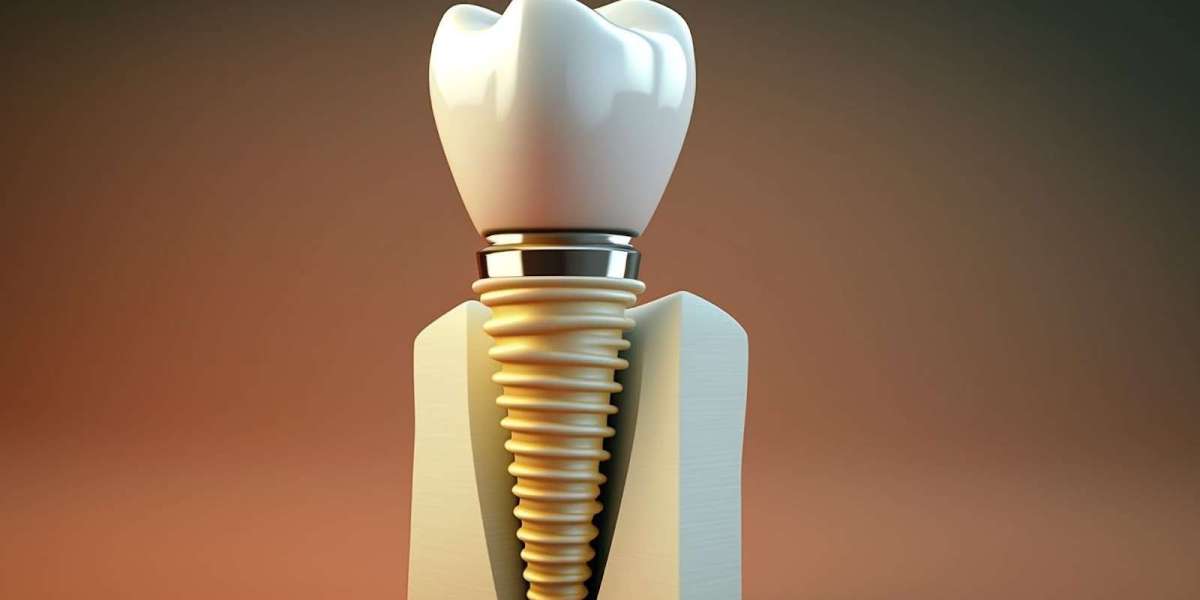
A final restoration, often a crown when appropriate, may be used to protect the remaining tooth structure.
Why a Crown May Be Recommended
A cracked tooth may already be weakened before root canal treatment begins.
A crown can cover and protect the remaining tooth structure while restoring its chewing function.
The type of restoration depends on the amount of healthy tooth structure remaining and the location of the tooth.
Your dentist will determine whether a crown is suitable.
Does Root Canal Treatment Hurt?
Local anesthesia is used to numb the area before treatment.
Many patients can undergo root canal therapy comfortably with modern anesthesia and treatment techniques.
Some tenderness may occur afterward, especially if the tooth was already inflamed.
Following the dentist's aftercare instructions can support a smoother recovery.
What Happens If a Cracked Tooth Is Ignored?
A crack can allow bacteria to enter deeper parts of the tooth.
If the pulp becomes infected, the tooth may develop swelling, an abscess, or increasing pain.
A crack can also progress under repeated chewing pressure.
Early evaluation gives the dentist a better opportunity to determine whether the tooth can be protected.
Cracked Molars and Root Canal Treatment
Molars experience significant chewing pressure and can be particularly vulnerable to fractures.
Because they may also have multiple canals, treatment can require careful diagnosis and planning.
If the pulp is affected and the tooth remains restorable, a specialist may recommend root canal therapy followed by appropriate restoration.
Cracked Front Teeth
Front teeth are often exposed to trauma from falls, sports, and accidents.
A crack may affect the appearance as well as the internal health of the tooth.
If the pulp becomes damaged, root canal treatment may help preserve the tooth.
Restorative treatment can then address both function and appearance.
Root Canal Retreatment for a Cracked Tooth
A tooth that previously received root canal treatment can develop a new crack or recurring infection.
The specialist must first determine whether the tooth remains structurally suitable for treatment.
If it is restorable, retreatment may be considered.
If a severe fracture compromises the root, extraction may be the safer option.
Cost of Cracked Tooth Treatment in Dubai
Treatment costs depend on the complexity of the crack, tooth location, diagnostic procedures, root canal requirements, specialist experience, and final restoration.
A simple crack that does not affect the pulp may require a different treatment from a fracture requiring root canal therapy and a crown.
Ask your dental clinic for a complete treatment estimate after the examination.
How to Choose a Root Canal Specialist Dubai
When choosing a specialist, look at professional qualifications, experience with cracked teeth and complex endodontic cases, diagnostic equipment, treatment planning, and communication.
A specialist should explain the condition of your tooth and whether it is likely to remain functional after treatment.
Understanding the available options can help you make a more informed decision.
What to Do If You Suspect a Crack
Avoid chewing hard foods on the affected side until the tooth has been evaluated.
Continue gentle oral hygiene and arrange a dental appointment as soon as possible.
Do not attempt to repair or stabilize a cracked tooth yourself.
If severe swelling, fever, difficulty swallowing, or difficulty breathing develops, seek urgent medical attention.
Preventing Cracked Teeth
Avoid chewing ice, hard candies, and other extremely hard objects.
If you grind or clench your teeth, discuss the issue with your dentist. A suitable night guard may be recommended in appropriate cases.
Wearing a mouthguard during contact sports can also reduce the risk of dental trauma.
Regular dental examinations can help identify weakened teeth before a serious fracture occurs.
Conclusion
A cracked tooth should not be ignored, particularly when it causes persistent pain, sensitivity, or discomfort while chewing. A qualified root canal specialist dubai can evaluate the crack and determine whether the pulp has been affected and whether the natural tooth can be preserved.
When the tooth remains restorable, root canal therapy combined with appropriate restoration may help protect it. Early diagnosis is important because continued chewing pressure can allow a crack to become more extensive and reduce the available treatment options.