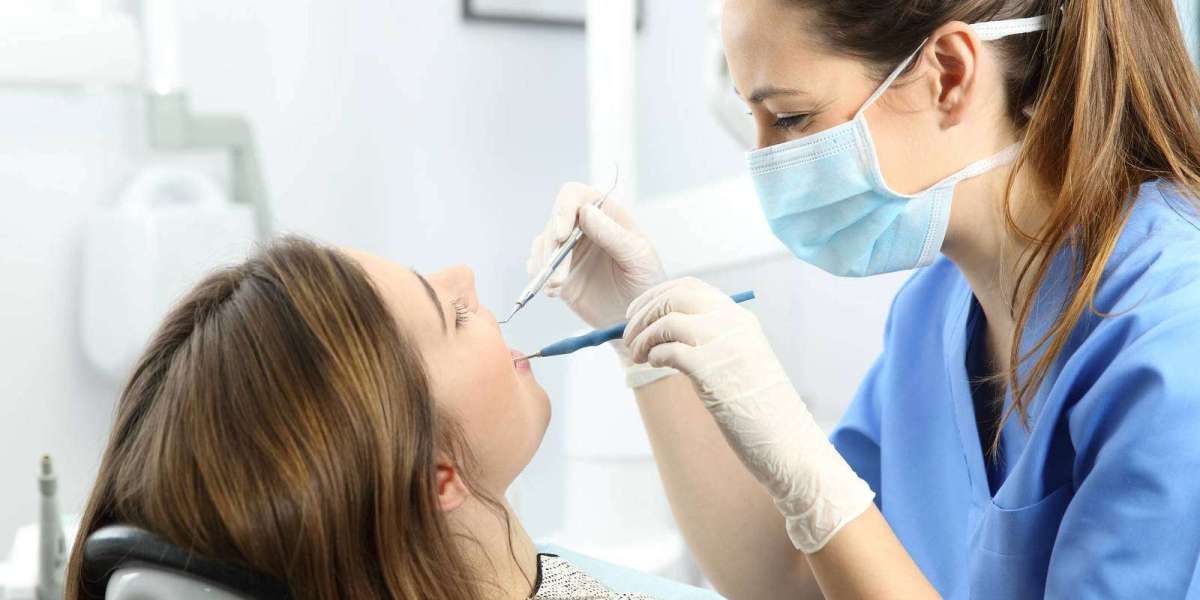

Dental Clinic Dubai for Root Canal Treatment
A professional dental clinic in Dubai can provide root canal treatment when infection or severe damage affects the inner part of a tooth. Deep decay, cracks, trauma, or repeated dental procedures can sometimes cause inflammation or infection inside the tooth, leading to pain and sensitivity.
Root canal therapy is designed to remove the affected tissue, clean the internal canals, and seal the tooth. The goal is to control infection while preserving the natural tooth whenever possible.
What Is Root Canal Treatment?
Root canal treatment is a procedure used to treat problems involving the pulp, which is the soft tissue located inside a tooth.
When the pulp becomes inflamed or infected, symptoms may include persistent toothache, sensitivity to hot or cold, pain when biting, swelling, or tenderness around the tooth.
A dentist evaluates the tooth and determines whether root canal treatment is appropriate.
Why Is Root Canal Treatment Needed?
Deep tooth decay can allow bacteria to reach the inner portion of the tooth. A cracked or injured tooth can also expose or damage the pulp.
If the affected tissue cannot recover, infection may develop and potentially spread to surrounding structures.
Root canal treatment can remove the damaged tissue and clean the internal space, helping preserve the natural tooth rather than removing it.
Common Signs of a Tooth Infection
Symptoms can vary depending on the condition of the tooth. Common signs may include prolonged sensitivity, spontaneous tooth pain, discomfort while chewing, swelling, or tenderness.
Some infected teeth may cause few symptoms, which is why professional examination is important when a dentist suspects an internal problem.
If you experience persistent dental pain or swelling, seek professional assessment rather than relying on pain relief alone.
Dental Examination Before Treatment
Before recommending root canal therapy, the dentist examines the affected tooth and surrounding structures.
Dental X-rays or other diagnostic imaging may be used to evaluate the roots and identify the extent of the problem.
The dentist may also consider the tooth's remaining structure, gum health, bite, and restorability before deciding whether root canal treatment is appropriate.
Root Canal Treatment Process
Root canal treatment generally involves several steps. The dentist first provides appropriate anesthesia and isolates the tooth.
The damaged pulp is then removed, and the internal canals are carefully cleaned and shaped. The canals are subsequently filled and sealed to reduce the possibility of reinfection.
The exact procedure and number of appointments depend on the condition of the tooth and the complexity of the root canal system.
Is Root Canal Treatment Painful?
Modern dental techniques and local anesthesia are designed to make root canal treatment manageable for most patients.
The tooth may feel sensitive or uncomfortable after the procedure as the surrounding tissues recover.
Your dentist can provide specific aftercare recommendations and explain what symptoms are expected during recovery.
Dental Crown After Root Canal
A tooth that has undergone root canal treatment may become more vulnerable to fracture, particularly when significant tooth structure has been lost.
Depending on the tooth and the amount of remaining structure, a crown may be recommended to provide additional protection.
The dentist will assess the tooth before deciding whether a crown or another restoration is appropriate.
Root Canal Treatment for Front Teeth
Front teeth and back teeth can both require root canal therapy. The procedure is broadly similar, although the anatomy of the roots can differ.
Front teeth may sometimes require a simpler restoration after treatment, while molars often experience greater chewing forces and may require additional protection.
The dentist determines the most suitable restoration based on the individual tooth.
Root Canal Treatment for Molars
Molars can have multiple roots and complex internal canal systems. This can make treatment more technically demanding.
Accurate diagnosis, careful cleaning, and proper sealing are important when treating these teeth.
After treatment, the dentist may recommend a crown or another protective restoration depending on the condition of the tooth.
Benefits of Preserving the Natural Tooth
Whenever a tooth can be predictably restored, preserving it may offer functional advantages.
Keeping the natural tooth can help maintain normal chewing and avoid creating a gap that may require replacement.
However, not every severely damaged tooth can be saved. Your dentist can discuss the condition of the tooth and explain whether root canal therapy or extraction is more appropriate.
Recovery After Root Canal Treatment
Some sensitivity or discomfort may occur after treatment. This can often improve as the surrounding tissues recover.
Follow the dentist's instructions regarding eating, oral hygiene, medication, and follow-up visits.
If pain or swelling becomes severe or continues to worsen, contact your dental professional for evaluation.
Caring for the Treated Tooth
A root canal-treated tooth still requires regular oral hygiene. Brush twice daily with fluoride toothpaste and clean between your teeth.
Avoid chewing extremely hard objects, especially if the tooth has not yet received its final restoration.
Routine dental examinations allow your dentist to monitor the treated tooth and surrounding tissues.
Alternatives to Root Canal Treatment
In some cases, a tooth may not be suitable for root canal treatment. If the tooth cannot be restored adequately, extraction may be considered.
When a tooth is removed, replacement options may include a dental implant, bridge, or denture depending on the patient's needs.
Your dentist should explain the advantages and limitations of each option before treatment begins.
Choosing a Dental Clinic Dubai
When choosing a practice for root canal treatment, consider the dentist's qualifications, clinical experience, diagnostic equipment, hygiene standards, treatment approach, and follow-up care.
Ask the dental team about the condition of the tooth, expected number of appointments, restoration requirements, possible alternatives, and estimated costs.
Clear communication can help you understand what to expect throughout treatment.
When to Seek Urgent Dental Care
Persistent severe tooth pain, facial swelling, significant infection, or dental trauma should be evaluated promptly.
If swelling makes it difficult to breathe or swallow, seek urgent medical attention.
Do not delay professional assessment because symptoms temporarily improve. Some dental infections can continue progressing even when pain decreases.
Final Thoughts
Root canal treatment at a professional dental clinic Dubai can help manage infection or severe damage inside a tooth while preserving the natural tooth when it can be restored successfully.
Early professional assessment is important when symptoms such as persistent pain, sensitivity, swelling, or discomfort during chewing occur. With appropriate diagnosis, careful treatment, suitable restoration, and regular oral care, a treated tooth can remain functional as part of your long-term dental health.