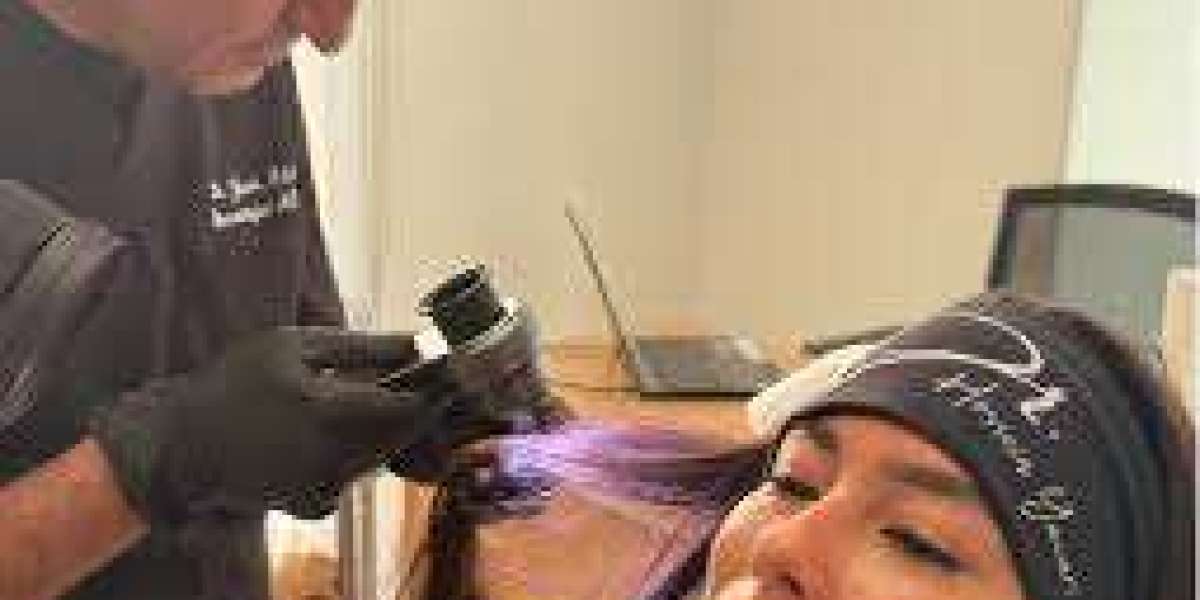

Hair loss and thinning can gradually affect your appearance and confidence. Whether you are noticing more hair on your pillow, a widening part, or reduced density around the crown and hairline, taking action early may help you explore suitable hair restoration options. One increasingly popular approach is PRP hair treatment in Abu Dhabi.
Platelet-rich plasma, or PRP, is a minimally invasive treatment that uses components from your own blood to support existing hair follicles. Instead of surgically moving hair from one area to another, the treatment focuses on creating a supportive environment for the follicles already present in the scalp.
Understanding the procedure, potential benefits, recovery process, and realistic expectations can help you decide whether PRP may be suitable for your hair concerns.
What Is PRP Hair Treatment?
PRP hair treatment is a non-surgical procedure designed to support hair follicles and encourage healthier-looking hair growth.
The treatment begins with collecting a small blood sample. This sample is processed to separate the platelet-rich plasma from other blood components. The concentrated plasma is then introduced into areas of the scalp experiencing thinning.
Platelets contain growth factors involved in the body's natural repair processes. By delivering platelet-rich plasma to targeted areas, PRP aims to support the scalp environment and existing follicles.
Because the treatment uses the patient's own blood components, it does not involve synthetic hair implants or transplanted follicles.
How Does PRP Hair Treatment in Abu Dhabi Work?
The treatment usually follows a simple sequence.
Initial Hair and Scalp Assessment
Before treatment begins, the scalp and hair are assessed. The pattern of hair loss, hair density, scalp condition, and possible contributing factors may be considered.
This step is important because not every type of hair loss responds to PRP in the same way.
Blood Collection
A small amount of blood is collected from the patient. The process is similar to having a routine blood sample taken.
PRP Preparation
The blood sample is processed using specialized equipment to separate and concentrate the platelets and plasma.
The resulting PRP preparation contains a higher concentration of platelets than normal blood.
Targeted Scalp Injections
The prepared PRP is carefully introduced into areas affected by thinning. Multiple small injections may be used to cover the desired treatment area.
The procedure is minimally invasive and does not require surgical incisions.
Key Benefits of PRP Hair Treatment
One of the main reasons people consider PRP hair treatment in Abu Dhabi is that it provides a non-surgical approach to supporting existing hair.
Potential benefits include:
- May support existing hair follicles
- Can improve the appearance of thinning hair
- Uses the patient's own blood components
- Does not require surgical hair transplantation
- Involves minimal downtime for many patients
- Can target specific areas of the scalp
- May be suitable for both men and women
- Can potentially be included in a broader hair restoration plan
It is important to remember that individual results vary. PRP is not a guaranteed cure for every form of hair loss.
Who Can Consider PRP Hair Treatment?
PRP may be suitable for people experiencing certain types of hair thinning or early-stage hair loss.
Potential candidates may include individuals with:
- Mild to moderate hair thinning
- Early hair loss
- Reduced hair density
- Weak or miniaturized follicles
- Certain forms of pattern hair loss
- A preference for minimally invasive treatment
The treatment may be less effective when hair loss is advanced and follicles in the affected areas are no longer viable.
A professional assessment is therefore recommended before starting treatment.
Can Men and Women Have PRP Hair Treatment?
Yes. PRP can be considered by both men and women experiencing suitable forms of hair thinning.
Men may seek treatment for thinning around the hairline, crown, or top of the scalp. Women may experience diffuse thinning throughout the scalp or increased visibility of the scalp around the parting.
Since hair loss can have different causes, identifying the underlying issue is important before selecting a treatment.
What Are the Causes of Hair Loss?
Hair loss does not always have a single cause. Common contributing factors may include:
Genetics
Genetic hair loss is one of the most common reasons for gradual thinning in both men and women.
Hormonal Changes
Changes in hormone levels can influence the hair growth cycle.
Nutritional Factors
Certain nutritional deficiencies may contribute to increased shedding or weaker hair.
Stress
Physical or emotional stress can sometimes influence normal hair growth cycles.
Scalp Conditions
Certain scalp problems may affect follicle health and contribute to hair shedding.
Understanding the cause of hair loss can help determine whether PRP is appropriate or whether another approach should be considered.
What Can You Expect During Recovery?
One of the appealing aspects of PRP is that recovery is generally short compared with surgical hair restoration procedures.
Some temporary effects may occur after treatment, including:
- Mild redness
- Scalp tenderness
- Minor swelling
- Sensitivity
- Small areas of bruising
These effects generally improve as the scalp settles.
Following aftercare recommendations can help support a comfortable recovery.
PRP Hair Treatment Aftercare Tips
Proper aftercare is an important part of your treatment experience.
Depending on the treatment plan, you may be advised to:
- Avoid unnecessary touching or rubbing of the scalp immediately after treatment
- Follow recommended scalp-washing instructions
- Avoid strenuous activities for the period advised by your provider
- Protect the scalp from excessive irritation
- Follow any prescribed or recommended hair-care routine
- Attend follow-up appointments as recommended
Always follow individualized instructions because aftercare can differ according to your treatment and scalp condition.
When Will You See Results?
PRP does not produce instant hair growth.
Hair naturally grows through different stages, so visible improvement can take time. Some people may first notice changes in shedding or hair texture before seeing an improvement in overall density.
The response to treatment depends on factors such as:
- Cause of hair loss
- Age
- Hair follicle health
- Severity of thinning
- Overall health
- Number of treatment sessions
- Individual response
A series of sessions may be recommended rather than relying on a single treatment.
How Many PRP Sessions Are Needed?
There is no universal number of sessions that works for everyone.
A treatment plan may depend on the degree of hair thinning and how the scalp responds to treatment. Some individuals may require an initial series followed by maintenance sessions.
Your treatment provider can evaluate your hair and recommend a schedule appropriate for your specific needs.
PRP vs. Hair Transplant
PRP and hair transplantation work differently.
A hair transplant involves moving follicles from a donor area to areas where greater hair coverage is needed. PRP does not move follicles. Instead, it aims to support existing follicles.
For someone with early or moderate thinning and viable follicles, PRP may be an option worth discussing. For advanced permanent hair loss, other procedures may sometimes be more appropriate.
In certain cases, PRP may also form part of a wider hair restoration strategy.
Is PRP Hair Treatment Safe?
PRP is generally considered a minimally invasive treatment because it uses components obtained from the patient's own blood.
However, every procedure can involve potential risks or side effects. Temporary discomfort, redness, swelling, or bruising may occur following scalp injections.
A proper consultation allows you to discuss your medical history, medications, scalp health, expectations, and whether PRP is suitable for you.
How to Get Better Long-Term Hair Results
Hair restoration should not only focus on a single procedure. Maintaining healthy hair and identifying the cause of hair loss can also be important.
Helpful habits may include:
- Eating a balanced diet
- Managing stress
- Avoiding excessive heat styling
- Limiting harsh chemical treatments
- Using gentle hair-care products
- Keeping the scalp clean
- Following your recommended treatment schedule
- Addressing underlying health or nutritional concerns when appropriate
A consistent approach can help support overall scalp and hair health.
Why Choose PRP Hair Treatment in Abu Dhabi?
People searching for PRP hair treatment in Abu Dhabi often want a minimally invasive solution that works with their existing hair rather than requiring surgical transplantation.
PRP may be especially appealing for people who have started noticing early thinning and want to explore treatment before hair loss becomes more advanced.
A professional consultation can help determine whether PRP matches your condition and expectations. It also gives you an opportunity to understand the treatment process, potential results, recovery requirements, and other available options.
Frequently Asked Questions
Does PRP permanently restore lost hair?
PRP is intended to support existing follicles and improve hair growth in appropriate candidates. It cannot guarantee permanent restoration of hair that has been completely lost.
Is PRP suitable for severe baldness?
PRP may have limited benefits when follicles are no longer viable. People with advanced hair loss may need to discuss other hair restoration options.
How long does a PRP session take?
The total time depends on the individual treatment plan and the size of the area being treated. It includes blood collection, PRP preparation, and scalp application.
Can women undergo PRP hair treatment?
Yes. PRP may be suitable for women experiencing certain types of hair thinning, provided they are appropriate candidates.
Can PRP be combined with other treatments?
Depending on the cause and severity of hair loss, PRP may be combined with other hair restoration approaches. A professional assessment can determine the most suitable plan.
Conclusion
Hair thinning can be a gradual process, but addressing it early can give you more opportunities to explore suitable treatment options. PRP hair treatment in Abu Dhabi provides a minimally invasive approach that uses platelet-rich plasma from your own blood to support existing hair follicles and the scalp environment.
The treatment may be suitable for men and women experiencing certain types of hair thinning, although results vary from person to person. A proper assessment, realistic expectations, and consistent aftercare are essential parts of the process.
If you are exploring hair restoration options, Tajmeels clinic can be considered when researching professional treatment settings. With the right evaluation and personalized approach, PRP may become a useful part of your journey toward healthier-looking, fuller hair.