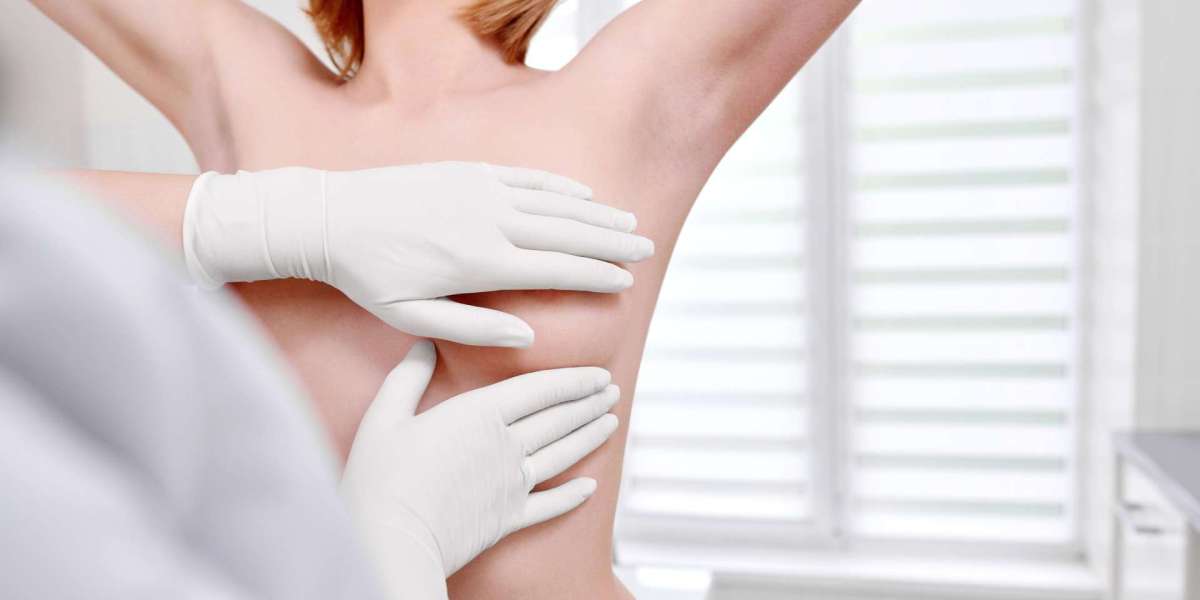

A breast lift can reshape and reposition breast tissue to create a firmer, more elevated appearance while maintaining proportions that suit the individual body. While the surgical procedure itself is an important part of the journey, recovery plays an equally significant role in achieving a smooth healing process. Understanding what happens after surgery can help patients prepare realistically for the weeks ahead and know what changes are generally expected.
Breast Lift in Dubai involves removing excess skin and reshaping existing breast tissue before repositioning the nipple and areola when necessary. Because the procedure involves incisions and tissue adjustment, temporary swelling, bruising, tightness, and sensitivity are common during the early healing period. These effects usually change gradually as the breasts settle.
Recovery is not identical for everyone. The extent of the lift, incision pattern, individual healing response, general health, and the surgeon's technique can all influence the timeline. Some patients begin feeling more comfortable within several days, while others need more time before returning fully to their normal routine.
Choosing an experienced surgical team and understanding the recovery process beforehand can make the experience more predictable. A proper consultation should explain the expected healing stages, activity restrictions, incision care, warning signs, and follow-up schedule.
What Happens Immediately After Breast Lift Surgery?
The first few hours are generally focused on monitoring the patient as the effects of anesthesia wear off. The breasts may feel swollen, tight, tender, or unusually firm. Some patients also notice temporary numbness or increased sensitivity around the nipples and incision areas.
A supportive surgical bra may be recommended to provide gentle support without putting unnecessary pressure on healing tissue. Depending on the surgical approach and individual circumstances, dressings or temporary drains may also be used.
Patients are typically advised to rest and avoid unnecessary physical activity immediately after the procedure. Having someone available to assist with transportation and basic tasks can make the first day more comfortable.
The First Week of Recovery
The first week is usually when swelling and discomfort are most noticeable. Mild to moderate soreness can occur, particularly when changing position or moving the upper body. Prescribed medication may be used according to the surgeon's instructions.
It is important not to judge the final breast shape during this stage. Swelling can make the breasts appear uneven, higher than expected, or firmer than anticipated. Temporary asymmetry can also occur as each side heals at a slightly different rate.
Light walking is often encouraged once the patient feels able, as remaining completely inactive for prolonged periods may not be beneficial. However, strenuous exercise, heavy lifting, and movements that place significant strain on the chest should be avoided until the surgical team confirms that they are appropriate.
How the Breasts Change During the Following Weeks
As healing progresses, swelling gradually decreases and the breasts begin to settle into a more natural position. The initial tightness generally becomes less noticeable, although some firmness can remain for several weeks.
Incisions may initially appear red or raised before gradually becoming less prominent. Scar development varies considerably between individuals and can continue to change for months.
Patients undergoing Breast Lift Surgery should expect the appearance to evolve rather than remain identical from the first postoperative days. Patience is important because tissue remodeling continues well beyond the early recovery period.
Returning to Normal Activities
The timing for returning to everyday activities depends on the procedure and the individual's recovery. Desk-based work may be possible relatively soon for some patients, while physically demanding jobs can require a longer break.
Driving should only be resumed when the patient is comfortable performing necessary movements, is not affected by medication that can impair alertness, and has received appropriate guidance from the surgical team.
Exercise is generally reintroduced gradually. Activities involving significant chest movement, heavy weights, or high-impact motion may need to be postponed longer than gentle daily movement.
Understanding Swelling, Bruising, and Sensitivity
Swelling and bruising are normal parts of soft-tissue healing. The amount can differ between the two breasts, which does not necessarily indicate a problem.
Nipple and breast sensation can also change temporarily. Some patients experience reduced sensation, while others notice increased sensitivity or tingling. These changes may improve gradually as nerves recover.
However, patients should contact their surgical team if they experience symptoms that are severe, rapidly worsening, or unusual for their recovery. Persistent or significant concerns should always be evaluated professionally rather than self-diagnosed.
Clinic Considerations for Breast Lift Recovery
Dynamic Life Clinic
Dynamic Life Clinic can be considered by patients looking for an aesthetic setting where surgical planning and postoperative monitoring are part of the treatment journey. For anyone researching Breast Lift Surgery, the consultation should focus on the surgeon's qualifications, the proposed technique, incision placement, expected recovery, and how follow-up appointments will be managed.
A detailed consultation is particularly valuable because recovery expectations can vary depending on the amount of skin removed and the degree of tissue reshaping required.
Tajmeels Clinic
Tajmeels Clinic may also be considered by individuals exploring aesthetic breast procedures. During an initial consultation, patients can discuss their desired breast position and shape while learning how the recommended surgical approach could influence recovery.
A responsible treatment discussion should also cover realistic expectations. Breast lift surgery can improve sagging and reposition breast tissue, but it cannot stop the natural effects of ageing, pregnancy, weight changes, or future fluctuations in breast volume.
Silkor Laser & Aesthetic Center
Silkor Laser & Aesthetic Center is another name patients may encounter when researching aesthetic treatment options. Anyone considering surgical breast treatment should confirm that the specific procedure is performed by an appropriately qualified surgical professional and that the facility provides suitable surgical and postoperative support.
The consultation should be used to clarify the recovery timeline, expected restrictions, incision management, and follow-up requirements rather than focusing only on the anticipated cosmetic outcome.
drkotti.com
drkotti.com may also be included in a patient's broader research when comparing aesthetic and surgical care options. Patients should evaluate the qualifications and experience of the professional performing the procedure, the surgical setting, and the level of postoperative monitoring provided.
For breast lift candidates, the most useful consultation is one that explains the procedure in individual terms rather than presenting recovery as a fixed timeline for everyone.
Enfield Royal Clinic
Enfield Royal Clinic is another option patients may consider when exploring breast lift treatment. A useful consultation should provide an opportunity to discuss the patient's aesthetic goals, suitability for surgery, expected healing stages, and the type of support available after the procedure.
For patients considering Breast Lift Surgery, understanding the recovery plan before committing to treatment is important. The clinic's surgical team should explain activity limitations, follow-up arrangements, incision monitoring, and when normal activities can typically be resumed.
How to Choose the Right Clinic for Breast Lift Surgery
Selecting a clinic should involve more than comparing photographs or promotional material. Breast surgery is a medical procedure, so qualifications, surgical experience, patient safety, and appropriate follow-up deserve careful consideration.
Experience and Qualifications
Patients should verify the qualifications and relevant surgical experience of the professional performing the procedure. Experience with breast surgery can be particularly important because the operation requires careful consideration of breast shape, tissue quality, nipple position, symmetry, and incision placement.
Technology and Techniques
Technology can support surgical planning and patient care, but the technique selected should be based on the individual's anatomy and goals. Patients should ask why a particular incision pattern or surgical approach is being recommended rather than assuming that one technique is appropriate for everyone.
Safety Standards
A suitable surgical environment should have appropriate safety protocols, qualified clinical staff, anesthesia support when required, and systems for managing potential complications. Patients should also understand how urgent concerns are handled after leaving the facility.
Consultation Process
A thorough consultation should be two-way. Patients should have enough time to explain their expectations and ask questions about scars, nipple position, possible sensation changes, recovery restrictions, and potential risks.
It is also reasonable to ask how follow-up appointments are scheduled and who patients should contact if concerns develop during recovery.
Patient Experience
The overall patient experience includes communication before surgery, clarity about instructions, accessibility of the care team, and postoperative monitoring. Clear communication can help patients understand what is normal during healing and when professional assessment is necessary.
Expected Results
A breast lift can create a higher and firmer breast position, but results should be viewed realistically. The final appearance may take time to develop as swelling subsides and tissues settle.
The procedure also does not prevent future changes caused by ageing, pregnancy, significant weight fluctuations, or changes in breast volume. A good surgeon should explain these factors during the consultation.
When Is the Final Result Visible?
The final result of a breast lift should not be assessed immediately after surgery. Early swelling and tissue tightness can temporarily obscure the outcome.
Over the following weeks and months, the breasts generally become softer and more settled. Scars can also continue to mature during this period. The exact timeline differs from patient to patient, so follow-up examinations are important for monitoring progress.
What Can Affect Breast Lift Recovery?
Several factors can influence healing, including the extent of surgery, individual tissue characteristics, general health, smoking status, nutrition, activity levels, and adherence to postoperative instructions.
Patients should follow their surgeon's specific recommendations rather than relying solely on general recovery timelines found online. Medical instructions should always take priority because they are based on the individual's procedure and health circumstances.
Frequently Asked Questions
How long does breast lift recovery take?
Early recovery often takes several weeks, although complete tissue healing and scar maturation can continue for considerably longer. The exact timeline depends on the surgical technique and individual healing response.
Is breast lift surgery painful during recovery?
Some discomfort, tightness, tenderness, and sensitivity are expected after surgery. Pain levels vary between individuals and generally improve as the initial healing period progresses. Medication may be prescribed when appropriate.
When can I return to exercise after a breast lift?
The timing varies according to the procedure and recovery progress. Gentle movement may be introduced earlier, while strenuous exercise and heavy lifting generally require a longer restriction period. The surgeon should determine when specific activities can safely resume.
Will breast lift scars disappear completely?
Breast lift incisions leave scars because the procedure involves surgical cuts in the skin. Scars usually change in appearance over time and may become less noticeable as they mature, but they do not typically disappear completely.
Can breast sensation change after surgery?
Yes. Temporary changes in nipple or breast sensation can occur following surgery. Some patients experience numbness, tingling, or increased sensitivity. Recovery of sensation varies and should be discussed with the surgeon during consultation.
Conclusion
Recovery is an important part of the breast lift journey and should be approached with realistic expectations. Swelling, bruising, tightness, temporary sensation changes, and visible incision lines can all occur during the healing process, while the breast shape continues to settle over time.
Choosing qualified surgical care, attending follow-up appointments, and following individualized postoperative instructions can support a safer recovery. Before undergoing Breast Lift Surgery patients should discuss their goals, medical history, surgical technique, potential risks, and expected recovery with a qualified professional. A well-informed decision is ultimately more valuable than focusing solely on the immediate appearance of the results.