
Losing one tooth can affect your smile, chewing ability, and confidence. It can also create space that may allow nearby teeth to shift over time. A single dental implant can provide an independent foundation for replacing the missing tooth with a custom crown. If you are considering Dental Implants in Dubai, a professional dental clinic in dubai can examine your gums, jawbone, bite, and neighboring teeth to determine whether a single-tooth implant is appropriate for you.
What Is a Single-Tooth Implant?
A single-tooth implant is designed to replace one missing tooth from root to crown. The implant is placed into the jawbone and acts as an artificial tooth root.
After healing, an abutment connects the implant to a custom dental crown. The crown is designed to resemble the surrounding natural teeth and restore normal chewing function.
Why Replace a Single Missing Tooth?
A missing tooth can create more than a cosmetic concern. Depending on its position, it may affect chewing efficiency and speech.
The surrounding teeth may also gradually move toward the empty space. Replacing the tooth can help maintain the dental arch and restore a more complete smile.
Benefits of a Single Dental Implant
One of the main advantages of an implant is that it can provide independent support for the replacement tooth. Unlike a traditional bridge, an implant does not necessarily require neighboring healthy teeth to serve as supports.
A carefully planned implant can also provide a stable foundation for the crown and help restore natural-looking appearance and function.
Single Implant vs Dental Bridge
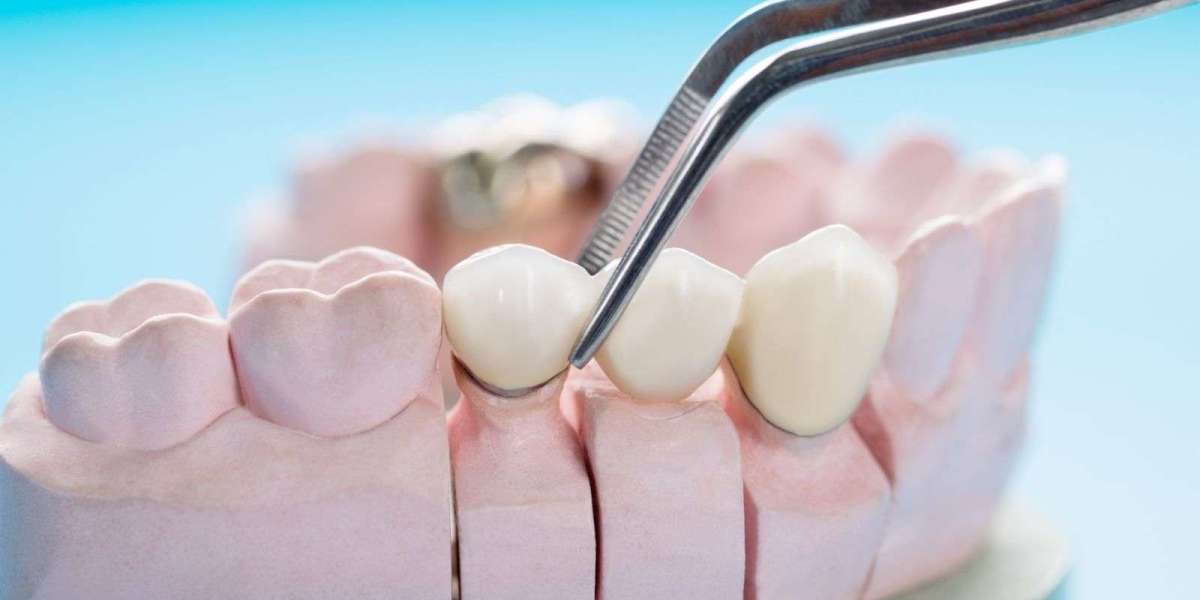
A traditional dental bridge usually relies on neighboring teeth for support. This may involve preparing those teeth to accommodate the restoration.
A single implant is supported by the jawbone instead. The dentist will compare both options by considering the condition of neighboring teeth, bone availability, oral health, cost, and long-term goals.
Who Is Suitable for a Single Implant?
Adults with one missing tooth may be candidates for implant treatment. However, suitability depends on individual oral health.
Adequate bone support, healthy gums, good oral hygiene, and a suitable bite are important considerations. Existing dental problems may need to be addressed before implant placement.
Importance of Jawbone Health
The implant requires sufficient bone to provide a stable foundation. Tooth loss can sometimes lead to gradual reduction in bone volume.
Your dentist may use X-rays or digital imaging to assess the available bone. If additional support is needed, bone grafting may be discussed before implant placement.
Importance of Gum Health
Healthy gums help create a suitable environment for implant treatment. Active gum disease may need to be treated before surgery.
After the implant is placed, daily oral hygiene and regular professional examinations are important for maintaining the surrounding tissues.
Initial Dental Consultation
The process usually begins with a detailed consultation. Your dentist will review your dental history and examine the missing tooth area.
The condition of neighboring teeth, gums, bite, and jawbone will be assessed. Imaging may then be used to create a more accurate treatment plan.
Treatment Planning
The dentist determines the appropriate implant position based on the available bone, neighboring teeth, bite, and final crown design.
The treatment plan may also include tooth extraction or bone grafting if required.
A detailed plan helps the dental team coordinate the surgical and restorative stages.
Implant Placement
During the surgical stage, the implant is placed into the jawbone under appropriate anesthesia.
The implant is positioned carefully to provide suitable support for the future crown. After placement, the area begins to heal.
Temporary sensitivity or swelling may occur during the initial recovery period.
Healing and Osseointegration
The implant requires time to integrate with the surrounding bone. This process is called osseointegration.
The healing period differs between patients and depends on bone quality, implant location, general health, and whether additional procedures were performed.
Your dentist will monitor the healing process before proceeding with the final crown.
Abutment Placement
After the implant has become sufficiently stable, an abutment is connected to it.
The abutment acts as the link between the implant and the dental crown. Depending on the treatment approach, this may be placed during the original procedure or during a later appointment.
Custom Dental Crown
The final crown is designed to match the surrounding teeth. The dental team considers shade, shape, size, bite, and position.
For front teeth, cosmetic details can be particularly important. For back teeth, strength and chewing function are also major considerations.
Is the Procedure Painful?
The implant placement procedure is performed with appropriate anesthesia, so patients should not normally experience significant pain during surgery.
Some discomfort, swelling, or sensitivity may occur afterward. Your dentist will provide instructions for managing the recovery period.
Recovery After Implant Surgery
The recovery period varies from patient to patient. Soft foods may be more comfortable during the early stage.
You may be advised to avoid placing unnecessary pressure on the surgical area. Follow all instructions regarding oral hygiene, medication, and physical activity.
Caring for a Single Implant
Once the implant and crown are fully restored, daily care is essential. Brush twice daily and clean between the implant crown and neighboring teeth.
Your dentist may recommend an interdental brush or other cleaning method depending on the crown design.
Regular Dental Checkups
Routine examinations allow your dentist to monitor the implant, crown, gums, bite, and surrounding natural teeth.
Professional cleaning can also help control plaque and maintain overall oral health. Regular visits are important even when the implant feels completely normal.
How Long Does a Single Implant Last?
Dental implants are intended as a long-term tooth replacement option. However, longevity varies between patients.
Oral hygiene, gum health, bite forces, lifestyle habits, implant placement, and restoration quality can all affect long-term performance. The crown may also require maintenance or replacement after normal wear.
Cost of a Single Tooth Implant
The total cost depends on several factors, including the implant system, crown material, diagnostic imaging, extraction, bone grafting, and treatment complexity.
A detailed consultation provides a more accurate estimate than a general advertised price because every patient's needs are different.
Alternatives to a Single Implant
A dental bridge or removable partial denture may be considered as an alternative.
Each option has different benefits, limitations, costs, and maintenance requirements. Your dentist can compare the available choices according to your oral health and personal preferences.
Choosing the Right Dental Clinic
When choosing a provider for Dental Implants in Dubai, consider the dentist's qualifications, implant experience, diagnostic technology, hygiene standards, treatment planning, and aftercare.
Ask for a clear explanation of the treatment stages, restoration type, expected timeline, possible risks, and total estimated cost.
Conclusion
A single dental implant can provide a stable and natural-looking replacement for one missing tooth. It can restore chewing function, support the appearance of the smile, and provide independent support without necessarily involving neighboring healthy teeth.
Before choosing Dental Implants in Dubai, a detailed assessment is essential. A qualified dental clinic in dubai can evaluate your bone and gum health, compare implants with other replacement options, and create a personalized treatment plan designed around your long-term oral health and functional needs.